Hardstyle Guide: The Hardest, Most Euphoric Sound in EDM
Hardstyle is EDM's hardest, most euphoric scene. This guide breaks down its distorted kicks, reverse bass, culture, history, and place in dance music.
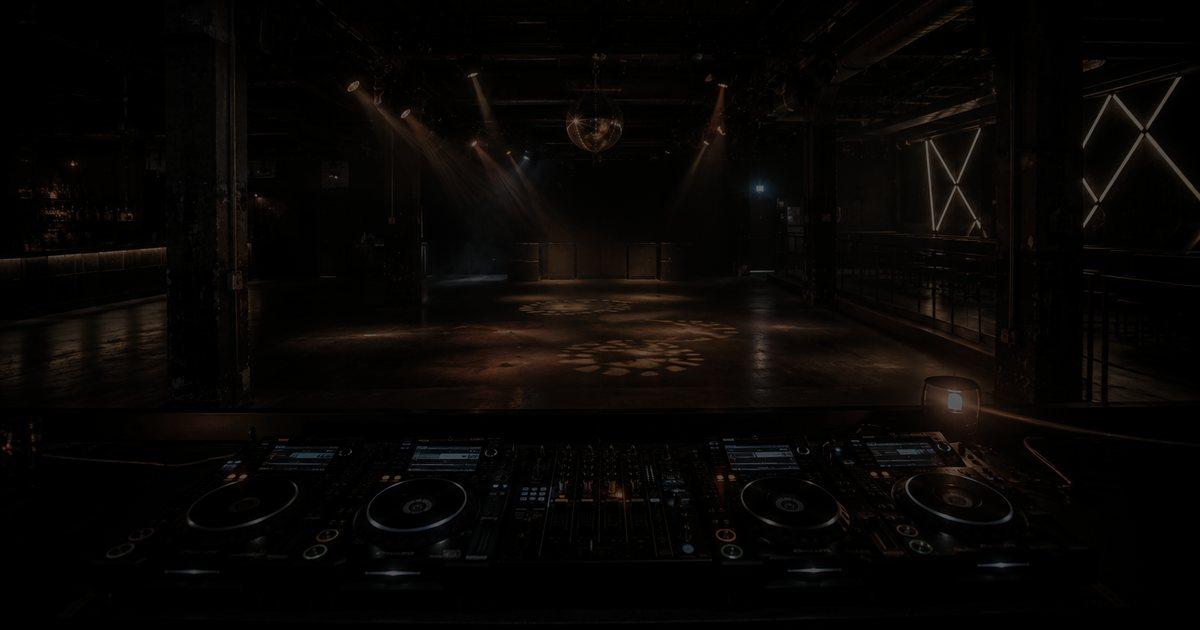
Hardstyle is the sound of controlled chaos: a distorted kick that punches through your chest, tempos hovering around 150 BPM, and melodies engineered to make 60,000 people scream in unison. It is one of the most intense and devoted corners of electronic music, and to outsiders it can seem like pure aggression. Spend one night inside a proper hardstyle event, though, and you understand the truth: this is a genre built on euphoria as much as force. This guide breaks down where hardstyle came from, how its signature sound is actually made, and why its culture inspires a loyalty few other scenes can match.
What Hardstyle Actually Sounds Like
Every genre has a fingerprint, and hardstyle's is unmistakable. Strip it down and three elements define the sound. The first is the kick drum, which in hardstyle is not just a rhythmic pulse but the melodic and tonal centre of the track. Producers distort, pitch, and layer a kick until it carries an audible note, effectively turning the drum into a bassline. The second is the reverse bass, a swelling, sucking sound placed on the offbeat that gives classic hardstyle its rolling, hypnotic groove. The third is the screech or lead, a bright, detuned synth that carries the euphoric top-line melody.
Structurally, hardstyle borrows the tension-and-release logic that runs through all of dance music. A long, emotional build strips the kick away, layers in strings, vocals, and risers, then drops back into that thundering kick pattern. If you understand the mechanics of how a drop is built in EDM production, you already grasp the skeleton of a hardstyle track. The genre simply pushes every element to its extreme: harder kicks, higher screeches, bigger emotional swings.
From Gabber to Global: A Short History
Hardstyle did not appear from nowhere. It grew out of the harder end of the Dutch and Belgian rave scene in the early 2000s, when producers coming from gabber and hard trance began slowing the tempo slightly and adding more melodic, groove-driven elements. Where gabber was relentless and brutal at 180 to 200 BPM, hardstyle pulled back to a danceable 150, giving the music room to breathe and to build emotion.
The Netherlands remained the genre's heartland, and by the late 2000s hardstyle had its own festivals, its own labels, and its own stars. Over the following decade the sound splintered into recognisable sub-styles. Euphoric hardstyle leans on soaring melodies and uplifting vocals. Raw hardstyle strips the sweetness away in favour of darker, more distorted, aggressive kicks and screeches. Both share the same DNA but attract slightly different crowds, and most modern events program a mix of the two across a single night.
The Culture: More Than a Music Style
Ask a hardstyle fan what the genre means to them and you rarely get a technical answer. You hear words like family, home, and belonging. The scene built its identity around massive, meticulously produced events, and those events became almost spiritual gatherings. Festivals such as Defqon.1 and Qlimax are famous not just for their lineups but for their staging: synchronised fireworks, laser cathedrals, and end-of-night rituals where tens of thousands of people stand together as a single connected mass.
Hardstyle anthems reinforce this. The genre's biggest tracks often carry spoken-word intros and lyrics about unity, resilience, and rising above hardship. That messaging is not cynical marketing; it reflects how the community sees itself. Newcomers are frequently struck by how welcoming the crowds are, a stark contrast to the intimidating wall of sound coming off the stage. If you are heading to your first big hardstyle event, the same preparation that helps at any major dance festival applies, and our EDM festival survival guide covers the practical side of surviving a long, high-energy day on your feet.
How Hardstyle Fits Into the Wider EDM World
It is tempting to file hardstyle away as a niche extreme, disconnected from the rest of electronic music. In reality it sits inside a broad family of high-intensity styles, and the boundaries are more porous than purists admit. Hardstyle shares its love of the emotional build with trance, its festival-main-stage ambition with big room house, and its embrace of heavy sound design with dubstep. Many producers move fluidly between these worlds, and crossover collaborations between hardstyle acts and mainstream EDM artists have become common.
What unites all of them is a single goal: engineering a peak moment that a crowd feels in their body. Whether the tool is a distorted 150 BPM kick or a euphoric melodic breakdown, the intent is identical. Producers across the melodic side of EDM chase that same emotional climax with softer materials. German DJ Maxim Schunk, who works in progressive house and melodic EDM, builds his tracks around exactly this idea of a euphoric drop, just delivered through lush chords and vocal hooks rather than a screaming kick. It is a useful reminder that hardstyle and melodic house are not opposites but two dialects of the same emotional language. You can hear the melodic end of that spectrum on Maxim Schunk's Spotify.
Getting Into Hardstyle as a Listener or DJ
If you are new to the genre, do not start with the most brutal raw tracks. Begin with euphoric hardstyle, where the melodies act as a bridge from more familiar EDM. Listen on a proper system or good headphones, because a phone speaker cannot reproduce the tuned kick that makes the genre work. From there, explore the festival sets and mainstage recordings that show how tracks are sequenced across a night.
For DJs curious about mixing hardstyle, the fixed tempo is a gift: with most tracks sitting near 150 BPM, beatmatching is comparatively forgiving. The real skill is energy management, reading when a crowd needs a euphoric breather versus a raw, relentless run. Those crowd-reading instincts transfer directly from any dance genre, which is why hardstyle DJs often come from broader electronic backgrounds. If you want to understand the full landscape before you dive deep, our beginner's guide to EDM maps out how every style, hardstyle included, connects to the whole.
Conclusion
Hardstyle rewards the effort it demands. On the surface it is loud, fast, and abrasive, but underneath lives one of the most emotionally intelligent and community-driven scenes in electronic music. Whether you come for the crushing kicks or the tear-in-the-eye euphoric breakdowns, the genre offers something rare: a sound engineered, at every level, to make a crowd feel like one. Give it a real listen on a real system, and you will understand why its fans call it a way of life.
Frequently Asked Questions
How fast is hardstyle in BPM?
Most hardstyle sits around 150 BPM. That tempo is deliberate: it is slower than the gabber it evolved from, giving tracks room to build emotion, but still fast enough to drive a festival crowd. The consistent tempo also makes beatmatching relatively forgiving for DJs.
What is the difference between euphoric and raw hardstyle?
Euphoric hardstyle leans on soaring melodies, uplifting vocals, and emotional breakdowns, making it the easier entry point for newcomers. Raw hardstyle strips the sweetness away in favour of darker, more distorted and aggressive kicks and screeches. Both share the same core structure and often appear across a single event.
Why does the hardstyle kick sound like a bassline?
In hardstyle the kick drum is the tonal centre of the track, not just a rhythm. Producers distort, pitch, and layer the kick until it carries an audible note, so it effectively doubles as the bassline. This is why the genre demands a proper sound system: phone speakers cannot reproduce that tuned kick.
Where did hardstyle originate?
Hardstyle emerged from the harder end of the Dutch and Belgian rave scene in the early 2000s, growing out of gabber and hard trance. The Netherlands remains the genre's heartland and home to its biggest events, such as Defqon.1 and Qlimax.
Is hardstyle related to melodic EDM and house?
Yes. Despite the surface aggression, hardstyle chases the same emotional peak as melodic genres, just with harder tools. Melodic producers like Maxim Schunk build toward a euphoric drop using lush chords and vocals instead of a distorted kick, showing that hardstyle and melodic house are two dialects of the same emotional language.
Read next
Guide
Big Room House: The Festival Sound of the Main Stage
Guide
Trance Music: The Complete Guide to EDM's Emotional Genre
Guide
Electro House: The Sound That Built the EDM Era
Guide
Future Rave Explained: The Main-Stage Sound of Modern EDM
Guide
Progressive Trance Guide: Sound, History & Key Tracks
Guide