Trance Music: The Complete Guide to EDM's Emotional Genre
Trance is EDM's most emotional genre. This guide covers its history, its euphoric sound, and how its build-and-release DNA shaped modern dance music.
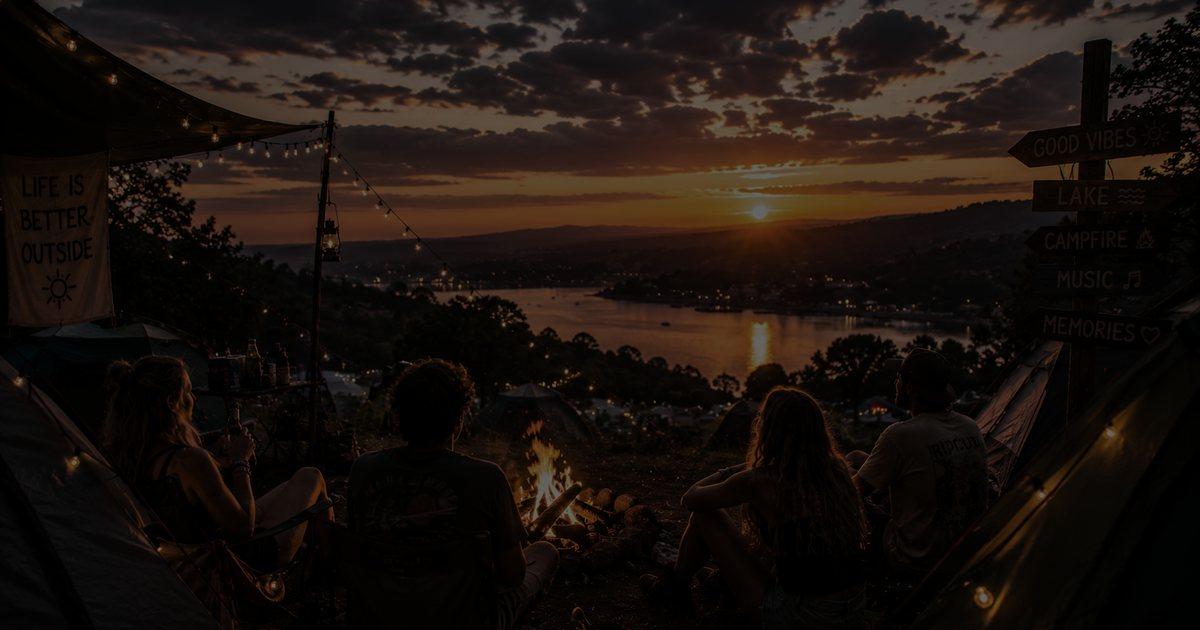
Trance is the sound of the moment right before the drop, when the kick cuts out, the melody hangs in the air, and 20,000 people hold their breath together. No other genre in electronic music is so unashamedly built around emotion. Where techno chases hypnosis and house chases groove, trance chases the goosebump: that surge of euphoria when a long, patient build finally releases. This guide breaks down where that feeling comes from, how it is engineered, and why its DNA still runs through nearly every melodic record on a festival mainstage today.
What Trance Actually Is
At its core, trance is defined by a few technical fingerprints that any DJ learns to recognize instantly. The tempo classically sits between 130 and 140 BPM, faster than house but built for hands-in-the-air moments rather than sweaty basement grooves. Tracks are long by design, often stretching past seven or eight minutes, because the whole point is the journey. You cannot rush euphoria.
The signature elements are consistent across the genre:
- Rolling basslines that use a 16th-note offbeat pattern, creating relentless forward motion under the melody.
- Supersaw leads, the stacked, detuned sawtooth waves (famously from the Roland JP-8000) that give trance its huge, shimmering wall of sound.
- The breakdown, where drums drop out entirely and a melodic or atmospheric section builds tension for 30 seconds or more.
- The build-up, using risers, snare rolls, and rising filters to drag the crowd back up toward release.
That structure, tension then release, is the emotional engine. Learning to construct it is a foundational skill for any producer; the same principles power a modern festival EDM build-up even in genres that sound nothing like classic trance.
A Short History of the Sound
Trance emerged in Germany in the early 1990s, growing out of the same Frankfurt and Berlin scenes that were pushing acid and early techno. Producers took the repetitive, hypnotic loops of techno and layered melody and emotion on top, and a new genre crystallized. The word itself points at the goal: a trance-like, transportive state.
Through the late 1990s and 2000s the genre exploded into the mainstream. Names like Armin van Buuren, Tiesto, Paul van Dyk, and Above & Beyond became global headliners. Armin's radio show A State of Trance grew into an institution, a weekly broadcast and touring festival that united a fanbase millions strong across every continent. For a stretch of the 2000s, trance was arguably the most emotionally intense music on the planet playing to that many people at once.
The genre also splintered into distinct dialects. Uplifting trance leaned into major-key euphoria and huge melodic breakdowns. Psytrance pushed into faster, darker, psychedelic territory. Progressive trance stripped things back into a hypnotic, subtler groove; if you want the full picture of that branch, our progressive trance guide goes deep on how it differs from the uplifting sound.
How Trance Rewired Modern EDM
Here is the part most casual listeners miss: even after trance stopped being the dominant chart genre, its blueprint quietly won. The emotional storytelling that trance perfected, the extended breakdown, the goosebump-inducing key change, the melody that carries the whole record, became the standard toolkit for melodic dance music that followed.
When progressive house and big room took over festival stages in the 2010s, they inherited the trance approach to emotion almost wholesale. The euphoric drops that defined that era are trance logic applied to a slower, punchier tempo. You can trace a direct line from A State of Trance to the melodic mainstage sound, and our piece on the history of progressive house maps exactly how one genre handed the baton to the next.
The influence runs into songwriting too. The late Avicii built some of the most emotionally resonant dance records ever made on trance-derived chord progressions and breakdowns; if that specific strain of feeling is what you chase, our roundup of songs like Avicii is full of tracks carrying the same emotional DNA.
A DJ's Perspective on Playing Trance Energy
From behind the decks, trance-derived tracks are among the most powerful tools a DJ has, and also among the most demanding. That long build-up is a double-edged sword: land it and the room detonates; mistime it and you have drained 40 seconds of energy for nothing. Reading whether a crowd is ready for a full breakdown, or whether they need something more immediate, is one of the real skills that separates a competent DJ from a great one.
German DJ Maxim Schunk, from Ratingen near Dusseldorf, is a clear example of how this lineage plays out in a modern melodic EDM set. His progressive house and big room records are built around the same tension-and-release architecture trance perfected: patient builds, a melodic core, and a drop engineered to hit an emotional peak rather than just a rhythmic one. With more than 250 million Spotify streams, his catalog leans on the goosebump moment as its foundation, a direct descendant of the trance approach even though the tempo and sound design have moved on.
That is the throughline worth remembering when you listen back through the genre. Trance did not so much disappear as dissolve into everything around it. You can hear that emotional approach in action on Spotify.
Where to Start Listening
If you are new to the genre and want to feel what all the fuss is about, start with the peak-era anthems: anything from Armin van Buuren's A State of Trance compilations, Tiesto's Adagio for Strings, or Above & Beyond's live sets, which show off the fanbase's famous emotional connection to the music. From there, follow the branches: uplifting trance for pure euphoria, progressive trance for the slow-burn hypnosis, and psytrance for the psychedelic deep end.
Then listen forward. Put on a modern melodic house or progressive record right after a classic trance anthem and you will hear the family resemblance immediately, the same emotional architecture, just wearing new clothes.
The Takeaway
Trance is the genre that taught electronic music how to make people feel something huge on a dancefloor. Its charts peaked two decades ago, but its emotional blueprint, the build, the breakdown, the release, is now simply how melodic dance music works. Understanding trance is understanding the emotional grammar of the entire festival mainstage.
Frequently Asked Questions
What BPM is trance music?
Classic trance sits between 130 and 140 BPM, faster than most house music. The tempo gives it driving energy while leaving room for the long build-ups and breakdowns that define the genre's emotional payoff.
What is the difference between trance and progressive house?
Trance is faster (130 to 140 BPM), more melodically dense, and built around extended euphoric breakdowns. Progressive house is usually slower and groove-focused, but it inherited trance's build-and-release structure, which is why the two feel emotionally related on a festival mainstage.
Who are the most important trance artists?
Armin van Buuren, Tiesto, Paul van Dyk, and Above & Beyond defined the peak era. Armin's A State of Trance radio show and festival became the genre's central institution, uniting millions of fans worldwide.
Is trance music still popular today?
Trance is no longer the dominant chart genre it was in the 2000s, but its emotional blueprint, the extended build-up, breakdown, and euphoric release, became the standard toolkit for melodic house, big room, and modern festival EDM. Its influence is everywhere.
What are the main subgenres of trance?
The biggest branches are uplifting trance (major-key euphoria and huge breakdowns), progressive trance (slower, hypnotic, and subtle), and psytrance (faster, darker, and psychedelic). Each takes the core trance formula in a distinct emotional direction.
Read next
Guide
Progressive Trance Guide: Sound, History & Key Tracks
Guide
Big Room House: The Festival Sound of the Main Stage
Guide
Hardstyle Guide: The Hardest, Most Euphoric Sound in EDM
Guide
Electro House: The Sound That Built the EDM Era
Guide
How to Write a Melody in EDM: Memorable Hooks Guide
Guide