Electro House: The Sound That Built the EDM Era
What defines Electro House, why it exploded in the late 2000s, and how its distorted synths still shape festival EDM. A DJ's practical guide.
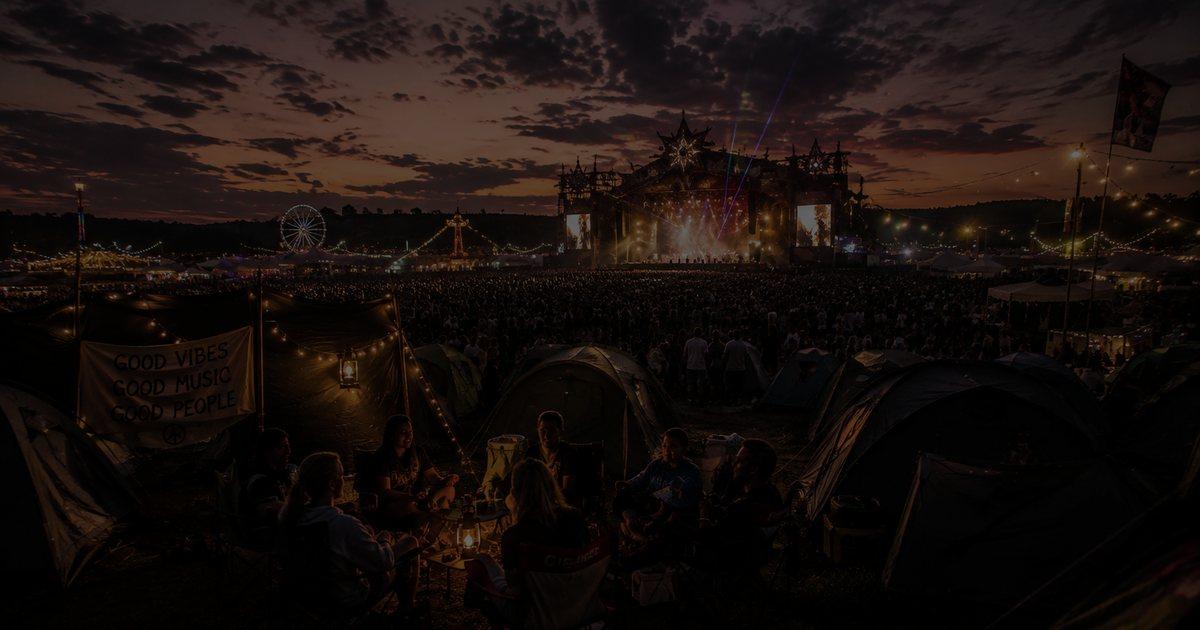
If you have ever stood in a festival crowd and felt a synth lead punch through your chest a split second before the whole field jumps, you have felt Electro House at work. It is the sound that dragged house music out of the club basement and onto the mainstage, and even fifteen years after its commercial peak its fingerprints are all over modern EDM. This guide breaks down what actually makes a track Electro House, where it came from, and why it still matters to anyone playing or producing dance music today.
What Electro House Actually Is
Electro House is built around one central idea: the lead synth is the hook. Where deep house leans on groove and mood, Electro House puts an aggressive, often heavily distorted synth line front and centre and lets it carry the whole track. The tempo usually sits between 125 and 130 BPM, with 128 as the unofficial home base, which is fast enough to drive a big room but slow enough to stay danceable for hours.
The core ingredients are consistent across the genre:
- Distorted, saw-based synth leads pushed through heavy saturation so they cut through a loud PA system.
- A prominent, often detuned bassline that shares sonic space with the kick rather than hiding under it.
- A punchy four-on-the-floor kick that anchors the groove.
- A clear build-and-drop structure, where tension is stacked up and then released into the main synth hook.
That drop-focused arrangement is the part most people recognise without knowing the name. Learning to write one well is a craft in itself, and the mechanics carry over to almost every festival genre, which is why we break it down in detail in how to make a drop in EDM production.
Where It Came From
Electro House grew out of the mid-2000s as producers started fusing the swing of classic house with the grit of electroclash and the bounce of French house. Early records still had a raw, filtered, almost analogue feel, closer to the disco-sampling side of French touch than the wall of sound the genre would later become.
The shift happened when the leads got louder and dirtier. Producers began treating the synth like a lead guitar in a rock band, distorting it, layering it, and building entire tracks around a single memorable riff. That move from atmosphere to hook is the hinge point between house history and the modern festival sound. If you want the longer lineage, our history of progressive house covers the parallel path that fed into the same explosion.
The EDM Boom Years
Between roughly 2008 and 2014, Electro House was the dominant language of mainstream dance music. Artists like Deadmau5, Steve Aoki, Justice, and Wolfgang Gartner pushed its bold, synth-driven identity onto radio and into stadiums, and it became the default backbone of festival line-ups from Amsterdam to Las Vegas. This was the era when "EDM" stopped being an industry abbreviation and became a genre label in its own right; if that broader picture is new to you, start with what is EDM.
The commercial pull was enormous, and it did two things at once. It gave a generation of producers a proven template, and it created pressure to make every drop bigger than the last. That arms race is exactly what produced the next chapter.
How It Shaped Big Room and Beyond
The emphasis on a colossal, simplified drop led almost directly into Big Room house, which stripped the busy Electro synths down to a single massive lead and a festival-sized kick. Big Room was Electro House with the fat trimmed and the volume maxed, engineered for one thing: a stadium of people jumping in unison.
From there the DNA kept splitting. The distorted-lead approach fed into future house and future rave, the sidechained pump became standard across nearly every EDM subgenre, and the melodic side of the family branched toward the emotional, big-melody sound that dominates festivals now. One production technique in particular became inseparable from the whole era, and it is worth learning early: sidechain compression, the pumping effect that lets the kick breathe through everything else.
Electro House Today
Electro House as a chart-topping label has faded, but as a toolkit it never left. Its bold synths, its build-and-release logic, and its festival-scale energy are woven through modern melodic EDM, progressive house, and Big Room alike. The trend now is to keep that power but pair it with real melody and emotion rather than pure aggression.
German DJ Maxim Schunk, from Ratingen in the greater Duesseldorf area, is a good example of that blend in practice. His progressive house and Big Room sets carry the energy and drop-driven structure the Electro House era established, but the leads serve a melodic hook rather than just a wall of distortion. You can hear how power and melody sit together on Maxim Schunk's Spotify.
Why It Still Matters
For a working DJ, understanding Electro House is less about nostalgia and more about literacy. It is the common ancestor of most high-energy festival music, so knowing how its drops are built and why its synths sound the way they do makes you better at reading a room and better at programming a set that climbs. Whether you play melodic house, Big Room, or future rave, you are speaking a dialect of the language Electro House wrote. Learn the grammar once, and the rest of the family tree makes sense.
Frequently Asked Questions
What BPM is Electro House?
Electro House typically sits between 125 and 130 BPM, with 128 BPM being the most common home base. That range is fast enough to power a festival crowd while staying comfortable for long DJ sets.
What is the difference between Electro House and Big Room?
Big Room grew directly out of Electro House by simplifying it. Electro House often layers busy, distorted synth leads, while Big Room strips that down to one massive lead and an oversized kick engineered for maximum festival impact.
What defines the Electro House sound?
The signature is an aggressive, distorted saw-synth lead used as the main hook, backed by a prominent bassline, a punchy four-on-the-floor kick, and a clear build-and-drop structure.
Is Electro House still popular?
As a chart label it has faded since its late-2000s to mid-2010s peak, but its DNA lives on across modern EDM. Its distorted synths, drop-focused arrangements, and sidechained energy are still core tools in Big Room, future house, and melodic EDM.
Which artists defined Electro House?
During the boom years, producers such as Deadmau5, Steve Aoki, Justice, and Wolfgang Gartner pushed the genre into the mainstream and made it the backbone of festival line-ups worldwide.
Read next
Guide
What Is EDM? A Beginner's Guide to Electronic Dance Music
Guide
Big Room House: The Festival Sound of the Main Stage
Guide
How to Make a Drop in EDM: Techniques That Hit
Guide
Trance Music: The Complete Guide to EDM's Emotional Genre
Guide
Hardstyle Guide: The Hardest, Most Euphoric Sound in EDM
Guide