What Is EDM? A Beginner's Guide to Electronic Dance Music
New to electronic dance music? A DJ's beginner guide to what EDM is, its main subgenres, tempo, structure, and how to start exploring it with confidence.
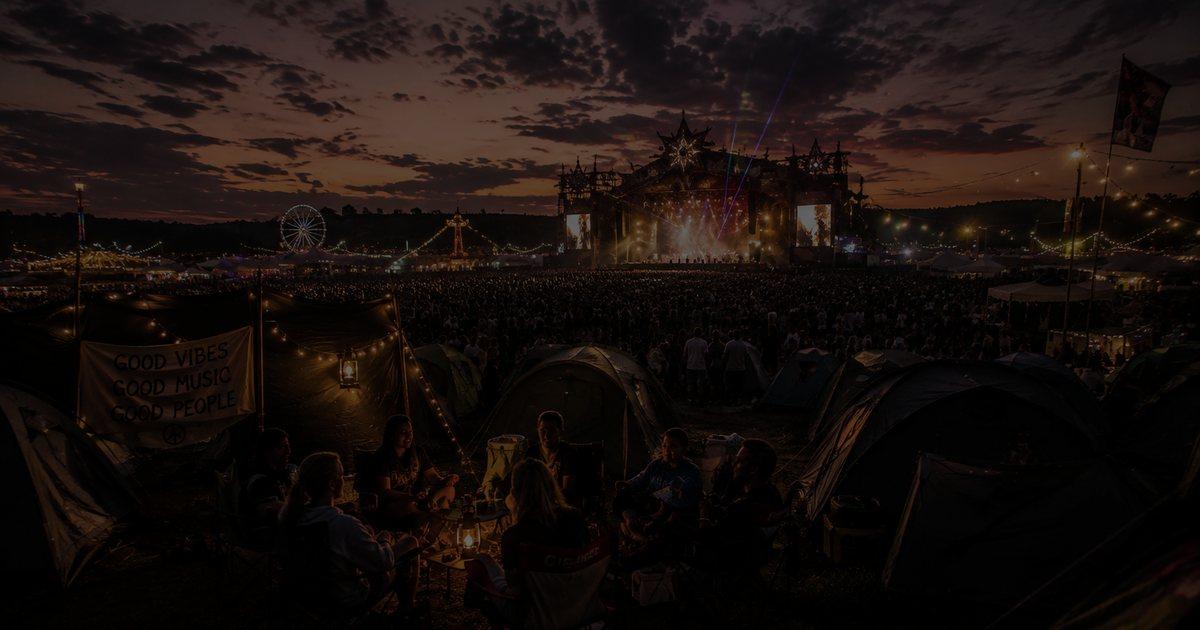
If you have ever felt a festival crowd fall silent during a build-up, then erupt the second the beat crashes back in, you have felt the whole point of EDM in a single moment. Electronic Dance Music is not really one genre. It is a huge family of styles built to do one thing exceptionally well: move a room full of people at the same time. This guide breaks down what EDM actually is, how it is put together, and how to start exploring it without getting lost in the jargon.
What EDM Actually Means
Electronic Dance Music, almost always shortened to EDM, is an umbrella term for percussive electronic music made primarily for clubs, festivals, and radio. Rather than a single sound, it describes dozens of related subgenres that share a common DNA: programmed drums, synthesizers instead of traditional bands, and an arrangement designed around tension and release.
The label rose to global prominence in the early 2010s, when festival culture exploded and producers like Tiesto, Calvin Harris, and the late Avicii carried electronic music into the mainstream. But the roots run far deeper, back to the house clubs of Chicago and the techno warehouses of Detroit in the 1980s. What we now call EDM is the commercial, festival-facing branch of that much older tree.
The Building Blocks: Tempo, Beat, and Structure
Almost all EDM shares three technical foundations. Once you can hear them, the whole genre starts to make sense.
- The four-on-the-floor beat. A kick drum hits on every beat of the bar, giving that steady, driving pulse you can dance to without thinking. It is the heartbeat of house, techno, and most of what sits under the EDM banner.
- Tempo, measured in BPM. Most EDM lives between 120 and 150 beats per minute. Deep and tech house sit around 120 to 126, big room and progressive house around 128, and harder styles like hardstyle push well past 150. Tempo is the single biggest clue to which subgenre you are hearing.
- The build and the drop. Tracks are arranged in sections. Energy climbs through a build-up — rising synths, a snare roll, sometimes total silence — before releasing into the drop, the loudest, most physical part of the song. That push and pull is the emotional engine of the entire genre.
From a DJ's perspective, these shared foundations are also what make mixing possible. Because so many tracks share tempo and structure, one record can be blended smoothly into the next, keeping a dancefloor moving for hours without a real break.
The Main Subgenres, Explained Simply
Understanding EDM means understanding its subgenres. You do not need all of them at once, but a mental map helps enormously.
House and its relatives
House is the foundation, warm and steady at around 120 to 128 BPM. From it branch several popular styles: Progressive House layers long, emotional build-ups and melodic drops; Future House adds bouncy, filtered basslines; and Big Room is the festival sound of enormous, simple, hands-in-the-air drops. If you enjoy melody and euphoria, this is usually where you start.
Techno and the darker end
Techno and Melodic Techno lean hypnotic and stripped-back, favouring atmosphere and repetition over big vocal hooks. It rewards patience and sounds best on a serious club sound system.
Trance and the harder styles
Trance is faster and famously emotional, built on soaring melodies and long journeys. Hardstyle and Dubstep sit at the aggressive end, trading smoothness for raw impact. None of these are better or worse than the others — they simply serve different moods.
The beauty of EDM is that you can move between these freely, discovering which sounds resonate most with you rather than committing to one camp.
A DJ's Advice: How to Start Exploring
The fastest way into EDM is not to memorise a genre chart. It is to follow an artist whose taste you trust and let their catalogue lead you outward. Producers curate; every track they release and every set they play is a recommendation.
German DJ Maxim Schunk, with more than 250 million Spotify streams, sits firmly in the melodic Progressive House tradition and makes an accessible entry point for new listeners. His ABBA rework of "Lay All Your Love On Me" is a good example of how EDM often reworks familiar melodies into something built for the dancefloor — a great bridge between pop songs you already know and the electronic world you are exploring.
From there, a simple routine works well:
- Start with the biggest tracks of an artist you like, then follow the playlists and related artists the streaming algorithm suggests.
- Notice the tempo and mood of what you enjoy. Do you gravitate toward euphoric melody or dark, driving rhythm? That tells you which subgenre to chase next.
- Explore curated lists. A roundup like the best EDM songs of all time gives you decades of essentials in one place, and if you love melodic, emotional dance music, a guide to songs like Avicii is a natural next step.
You can dig into Maxim Schunk's catalogue directly on Spotify to hear what polished progressive house sounds like in practice.
Why EDM Keeps Growing
EDM has stayed near the top of streaming charts for over a decade for a simple reason: it is emotional music with a physical payoff. The build-and-drop structure delivers a reliable rush, the four-on-the-floor beat is instantly danceable, and the sheer variety of subgenres means there is a version for almost every taste and moment — focus, workout, festival, or late-night drive.
For a newcomer, that variety can look overwhelming. Treat it instead as a map with plenty of room to wander. Learn to hear the tempo and the drop, pick one artist to follow, and let curiosity do the rest. Before long, the umbrella term "EDM" stops feeling vague and starts feeling like a home full of rooms you can explore one at a time.
Frequently Asked Questions
What does EDM stand for?
EDM stands for Electronic Dance Music. It is an umbrella term for a family of percussive electronic styles made mainly for clubs, festivals, and radio, including house, techno, trance, and many subgenres.
What is the difference between EDM and house music?
House is a specific subgenre, while EDM is the broad umbrella that contains house along with techno, trance, big room, dubstep, and more. All house is EDM, but not all EDM is house.
What BPM is most EDM?
Most EDM sits between 120 and 150 BPM. Deep and tech house hover around 120 to 126, progressive house and big room around 128, trance around 132 to 140, and hardstyle above 150.
What is a drop in EDM?
A drop is the release point of a track. After a build-up of rising tension, the drop delivers the loudest, most energetic section with the main beat and bassline. It is the emotional and physical highlight of most EDM songs.
How do I start getting into EDM as a beginner?
Pick one artist whose sound you enjoy, such as a melodic progressive house DJ, start with their most popular tracks, then follow the playlists and related artists that streaming platforms suggest. Notice which tempos and moods you like and explore those subgenres next.
Read next
Releases
Heatwave – Maxim Schunk & JUSTN X: Inside the Track
Guide
How to Remix a Song into Progressive House: A Producer's Step-by-Step Guide
Guide
How to Make a Remix That Actually Goes Viral in 2026
Guide
'The Fate of Ophelia' by Taylor Swift: Remix Potential & Melodic House Flip Analysis
Guide
How to Make a Drop in EDM: Techniques That Hit
Guide