Guide27 October 2026
Post-Festival Blues and Festival Flu: Why You Feel Wrecked
Why you feel low and get sick after a festival: post-festival blues, festival flu, ringing ears and the midweek comedown, and how to recover faster.
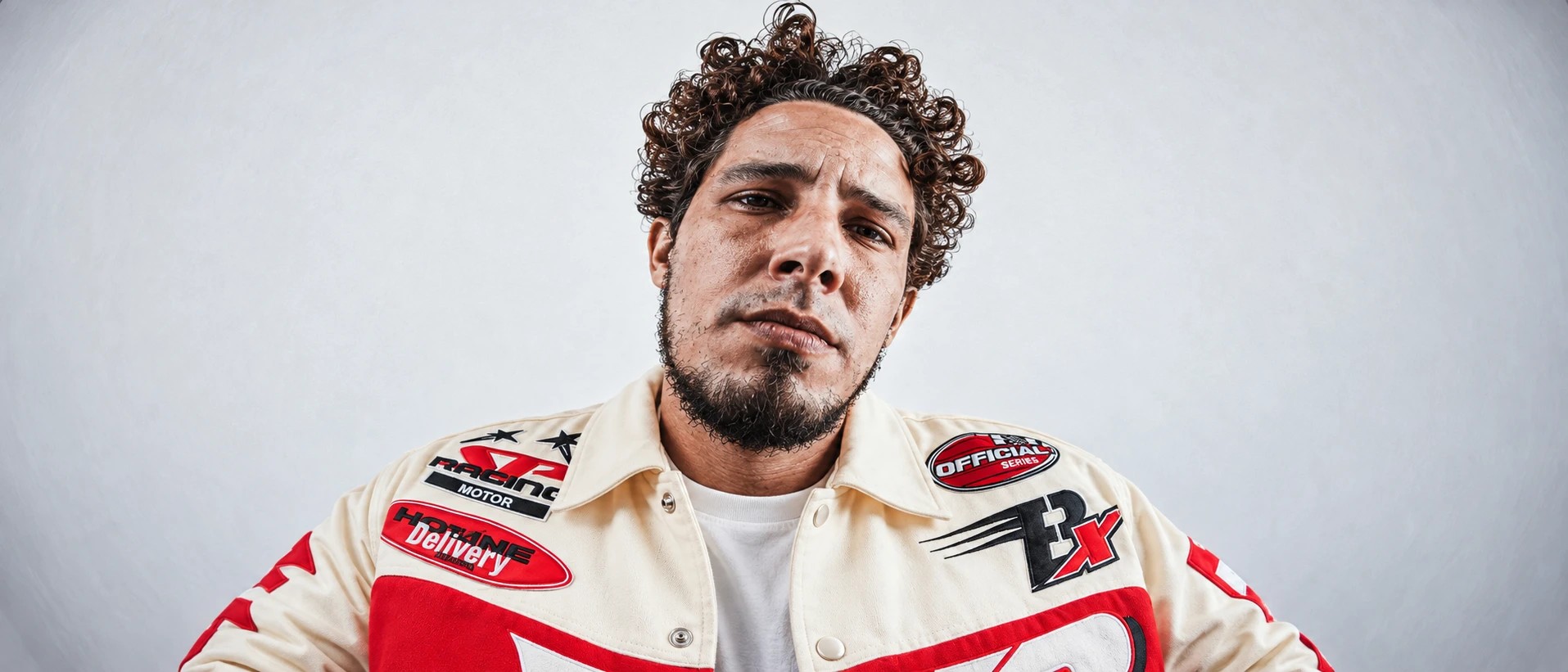
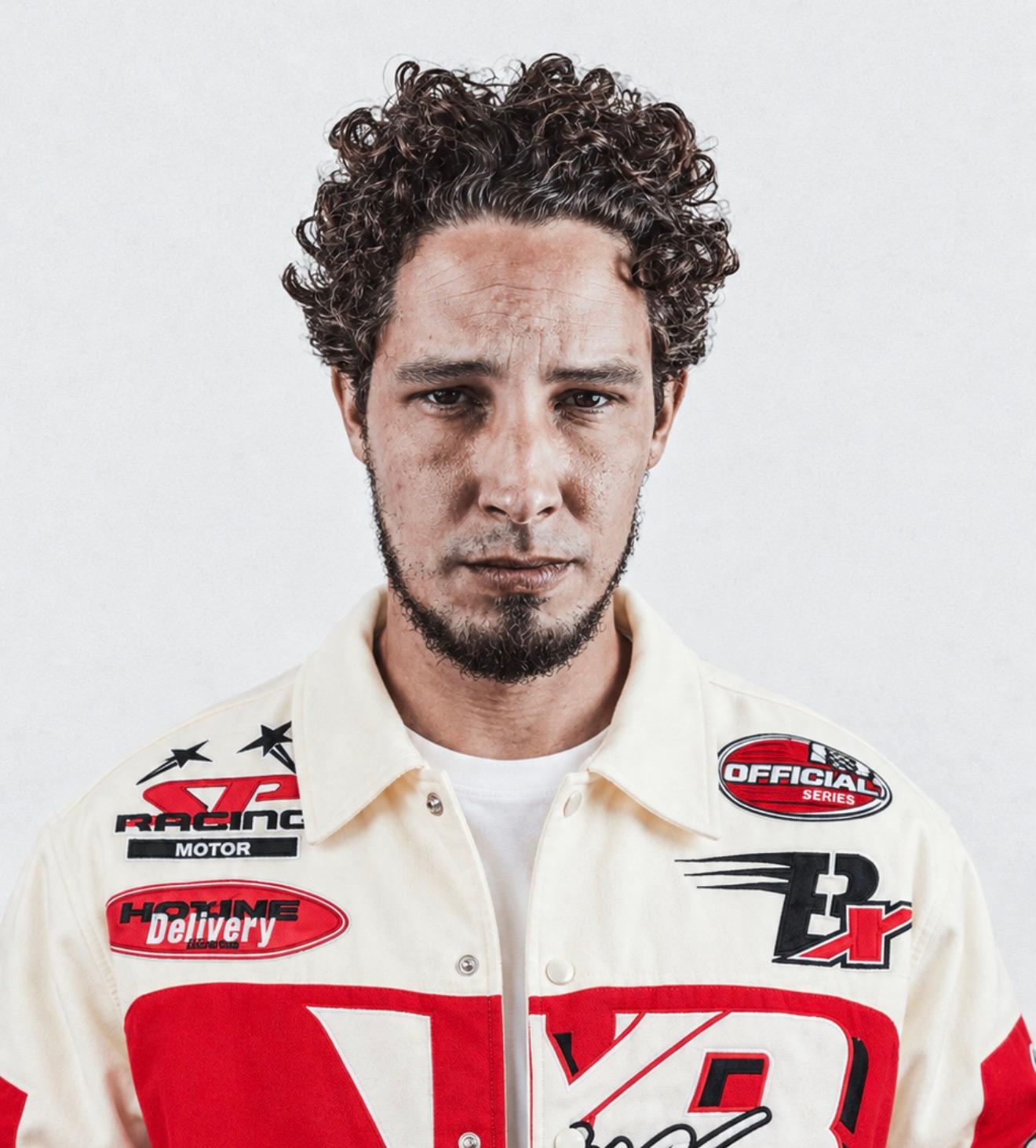
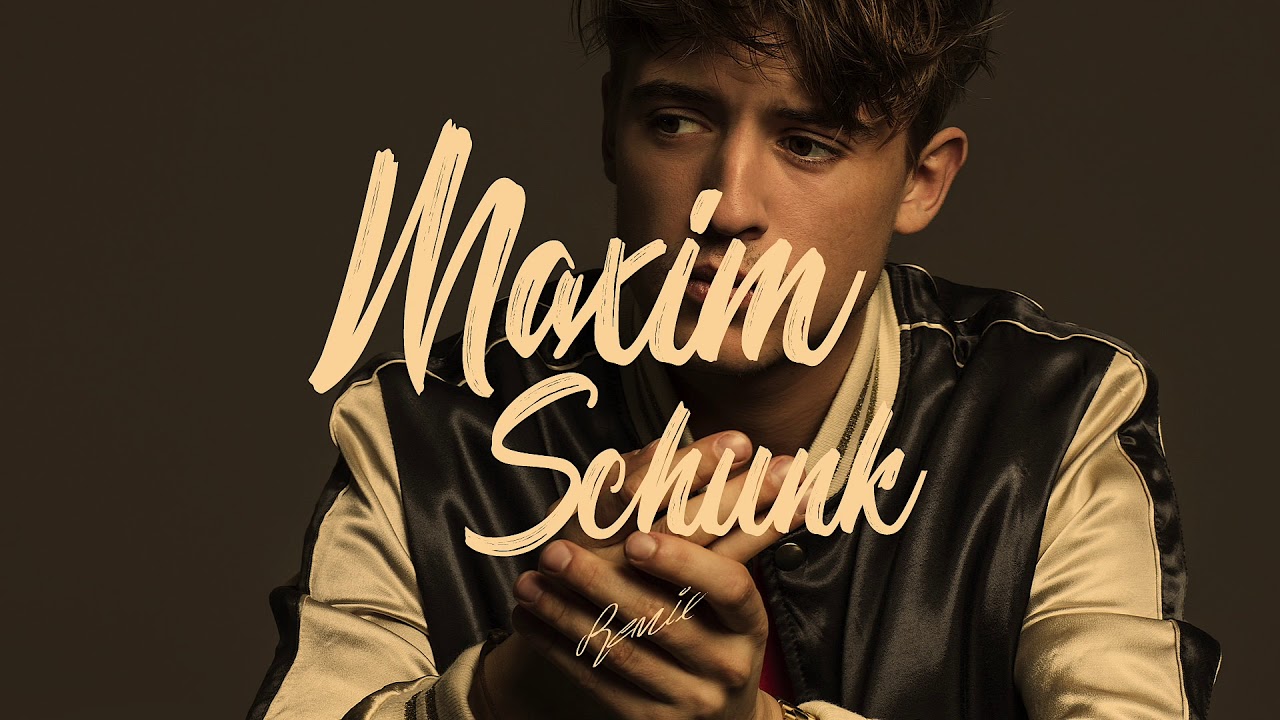
Maxim Schunk is a German DJ from the Düsseldorf area with over 250 million streams on Spotify alone. Inspired by his mother, he started playing the piano at the age of 6. At 14 he began producing digital music and in 2010 he attended a music school in Wuppertal.
In February 2018 he joined forces with Raven & Kreyn and BISHØP to release "My Name" — the breakthrough rework that dominated the Spotify charts. Previously supported by the late Avicii and EDM heavyweights Don Diablo, Tiësto, Blasterjaxx and Fedde Le Grand, Maxim Schunk has been a fixture of the electronic dance music scene ever since.
His 2022 release "Lay All Your Love On Me" alone has surpassed 115 million streams on Spotify, while follow-ups like "Sing It Back", "OMG" and "Lost in You" continue to clock millions every month. After his Embassy One release "Light Up", he returned in 2021 with new music — and hasn't stopped since.




Why you feel low and get sick after a festival: post-festival blues, festival flu, ringing ears and the midweek comedown, and how to recover faster.
In 1991 The KLF were the world's biggest-selling singles act. Within three years they had fired blanks at the Brits, deleted their records and burned £1m.
Album, EP or singles? What counts as each on Spotify, why dance producers release singles first, what happens to them on the album, and when an LP pays off.