Future Rave Explained: The Main-Stage Sound of Modern EDM
Future Rave fuses progressive energy with techno darkness. A DJ's guide to the BPM, sound design, key tracks and how to mix the genre live.
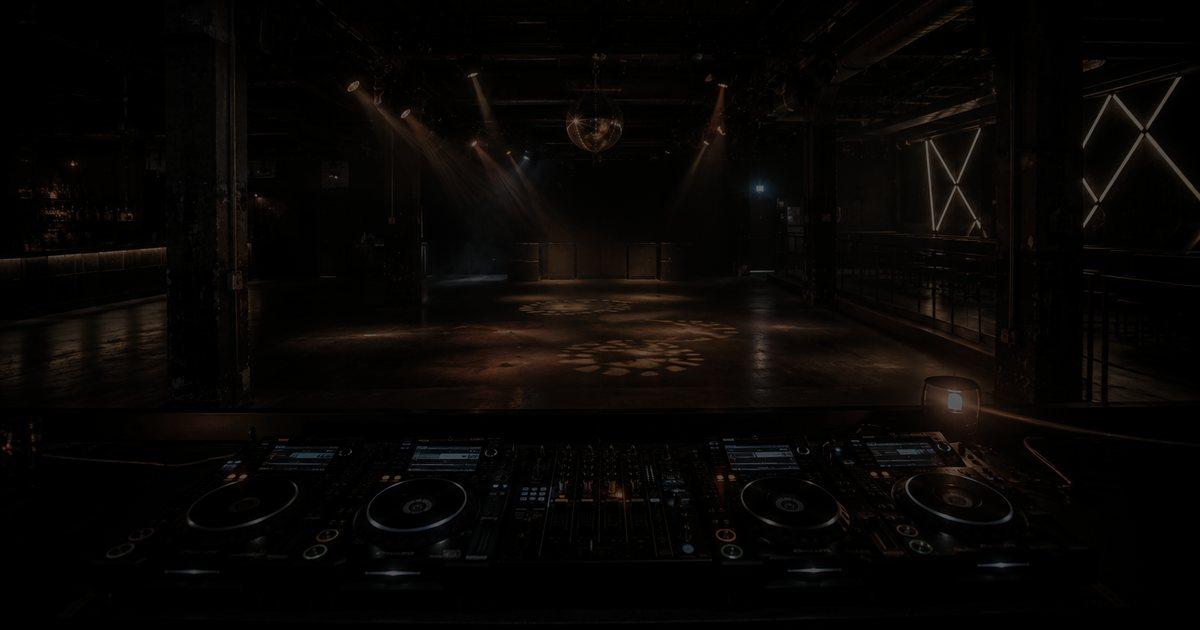
If you have stood in a festival crowd since 2019 and felt the floor drop into a dark, hypnotic groove that still exploded like big room, you have heard Future Rave. Coined by David Guetta and MORTEN, the genre took the euphoria of classic rave, ran it through modern main-stage production, and gave dark, driving electronic music a place at the very top of festival line-ups again. As a DJ who programmes progressive and big room sets, I treat Future Rave as one of the most useful weapons in the box: it hits hard, it grooves, and it buys you room to breathe between the obvious peaks.
Where Future Rave Came From
Future Rave was not born in a vacuum. By the late 2010s, the pure big room sound had grown predictable, while underground techno was pulling festival crowds toward something darker and more repetitive. Guetta and MORTEN launched their Future Rave concept in 2019 as a deliberate bridge between those worlds, first through their own releases and then through the label and radio show that carried the name.
The genius was in the framing. Rather than inventing something wholly new, they revived the spirit of early-1990s rave and hardcore, then dressed it in the loudness and clarity that modern main-stage systems demand. The result felt nostalgic to older ravers and completely fresh to a younger crowd that had never lived through the original era.
The Signature Sound
Future Rave has a recognisable fingerprint once you know what to listen for. These are the core elements:
- Tempo around 124-130 BPM. Slower than the old 128-132 big room standard, which gives the groove more weight and makes it sit comfortably next to techno and progressive house in a set.
- Driving, hypnotic basslines. Often a rolling, offbeat or gated bass that carries the energy through the whole track rather than only detonating at the drop.
- Dark, resonant supersaws and arps. Detuned lead stacks and repeating arpeggios create tension and that unmistakable rave nostalgia.
- Punchy, controlled kicks. Powerful but tighter and less boomy than big room, so the low end stays clean under all that bass movement.
- Minimal melody, maximal atmosphere. Instead of big vocal hooks, Future Rave leans on texture, reverb and a hypnotic sense of forward motion.
Compared with the genre it grew out of, Future Rave trades the euphoric, hands-in-the-air melody of big room house for something moodier and more physical. It is main-stage music that still feels like it belongs in a dark room at 2am.
How It Differs From Techno and Big Room
People new to the genre often ask whether Future Rave is just techno with a bigger budget, or big room with the lights turned down. Neither is quite right. Techno is built for the long, patient journey of a club night, with subtle evolution over many minutes. Big room is built for the single explosive moment, the massive drop and the reset. Future Rave sits between them: it borrows techno's relentless drive and dark palette, but keeps the arrangement structure and impact of festival EDM, so each track still delivers clear peaks a large crowd can react to.
That in-between position is exactly why it works so well in a modern set. It shares harmonic and rhythmic DNA with melodic techno and progressive house, which makes transitions smooth, while still hitting with the force a festival audience expects.
Mixing Future Rave in a Live Set
From the DJ booth, Future Rave earns its place because it solves a real programming problem. When a set has been riding euphoric progressive melodies and big vocal moments, the crowd needs contrast or the peaks stop landing. Dropping into a dark Future Rave groove resets the room and rebuilds tension without killing the energy.
A few practical notes from playing it out:
- Use the tempo as a bridge. At 124-128 BPM it slots neatly between slower melodic house and faster big room, so you can use it to shift a set up or down in energy without a jarring jump.
- Mix on the bassline, not just the kick. The rolling bass is the identity of the track, so long blends where two grooves lock together sound far better than quick cuts.
- Let the arps breathe. Those hypnotic arpeggios build tension over 16 or 32 bars, so resist the urge to slam straight to the next drop and let the atmosphere do its work.
If you are still learning how to structure this kind of contrast into a performance, it is worth studying how to build a DJ set so that dark grooves and euphoric peaks reinforce each other instead of competing.
Where It Sits in Melodic EDM
Future Rave is one branch of a much larger melodic and progressive family tree that runs from trance through progressive house to today's festival sound. It shares an emotional lineage with the euphoric, uplifting side of dance music even while it pulls toward the dark end of the spectrum, which is why it blends so naturally with the melodic material many festival DJs already play.
That balance of power and melody is territory German DJ Maxim Schunk knows well. From his base in the greater Duesseldorf area he builds progressive house and big room sets around exactly that tension between euphoria and drive, the same push and pull that makes Future Rave land on a big system. With more than 250 million Spotify streams behind productions ranging from the ABBA rework “Lay All Your Love On Me” to melodic collaborations like “Lost In You”, his catalogue lives in the same melodic-yet-powerful space, and Future Rave grooves fit comfortably alongside it in a live context.
If the euphoric side of this family is more your taste, the best melodic house tracks make a natural companion listen, and newcomers can get the full lay of the land in this beginner's guide to EDM.
Conclusion
Future Rave endures because it answered a real need: festival audiences wanted the darkness and hypnotism of the underground without losing the impact of the main stage. By reviving rave nostalgia through modern production, Guetta and MORTEN handed DJs a sound that grooves, builds tension and still explodes when it needs to. Learn its fingerprint, respect the bassline, and it becomes one of the most versatile tools you can carry into a set.
Hear how power and melody sit together in a progressive context on Maxim Schunk's Spotify.
Frequently Asked Questions
What BPM is Future Rave?
Future Rave typically sits between 124 and 130 BPM. That is slightly slower than classic big room, which gives the groove more weight and lets it blend smoothly with techno and progressive house in a DJ set.
Who created Future Rave?
The genre was pioneered and named by David Guetta and MORTEN around 2019. They built it as a deliberate bridge between the energy of modern festival EDM and the darker, hypnotic textures of techno and early-1990s rave.
What is the difference between Future Rave and techno?
Techno is built for the long, evolving journey of a club night with subtle changes over many minutes. Future Rave borrows techno's dark palette and drive but keeps the arrangement and clear peaks of festival EDM, so it delivers big moments a large crowd can react to.
What makes a track sound like Future Rave?
Listen for driving hypnotic basslines, dark detuned supersaws and arpeggios, punchy but controlled kicks, and an atmosphere heavier on texture than on vocal hooks. The energy carries through the whole track rather than only at the drop.
Is Future Rave good for beginner DJs to mix?
Yes. Its steady tempo and rolling basslines reward long, blended transitions, which are easier to control than quick cuts. It also works as a tempo bridge between slower melodic house and faster big room, making it a useful tool once you understand set structure.
Read next
Guide
Melodic House vs Melodic Techno: The Real Difference
Guide
How to Remix a Song into Progressive House: A Producer's Step-by-Step Guide
Guide
How to Make a Remix That Actually Goes Viral in 2026
Guide
'The Fate of Ophelia' by Taylor Swift: Remix Potential & Melodic House Flip Analysis
Guide
What Is EDM? A Beginner's Guide to Electronic Dance Music
Guide