How to Build a DJ Set: Structure, Energy & Flow
Learn how to build a DJ set that tells a story: structuring energy, choosing tracks, planning transitions, and reading the room like a working DJ.
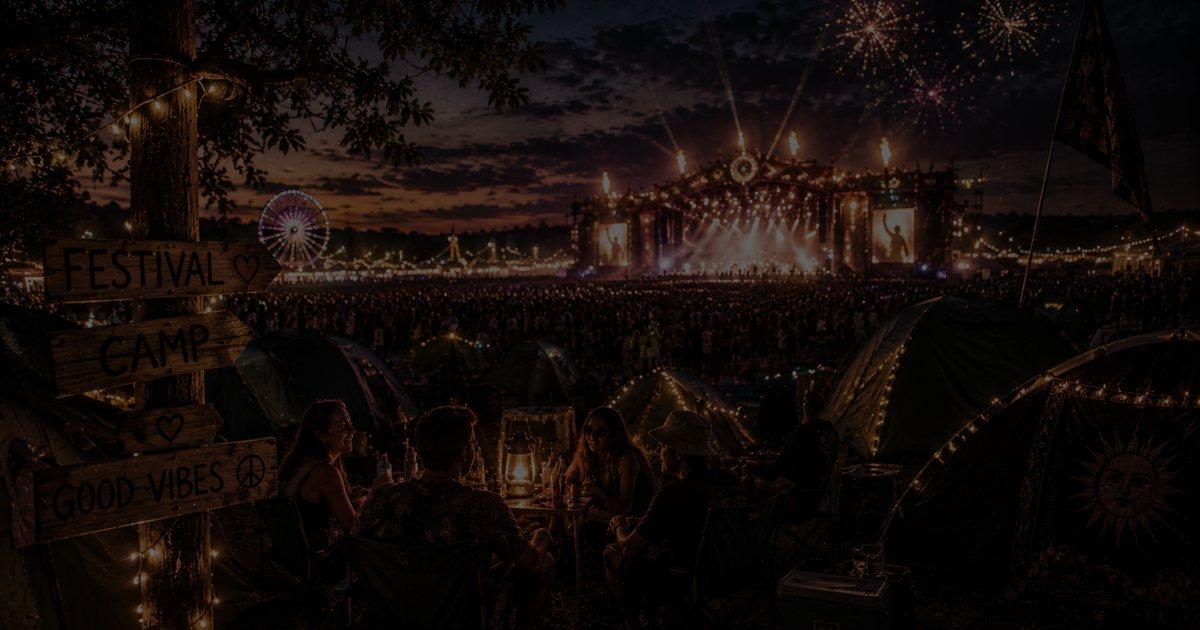
Anyone can queue up a folder of big tracks and hit play. What separates a working DJ from a playlist on shuffle is architecture: the deliberate shaping of energy, tension, and release across a room full of people over the course of an hour or three. A great set is not the sum of its records. It is the order they arrive in, the space between them, and the way each one sets up the next. This guide breaks down how to build a DJ set that moves a crowd from the first track to the last.
A Set Is a Story, Not a Playlist
The best sets share a structure with film and long-form music: an introduction, rising action, one or more peaks, and moments of release that make the next climb hit harder. When every track is a banger, nothing is a banger. The contrast is what the crowd actually feels. Progressive house DJs like Maxim Schunk build sets around this principle, treating a 90-minute slot as one continuous arc rather than a stack of unrelated drops.
Before you touch a single track, answer three questions: Where are you playing? When is your slot? Who is in the room? A warm-up set at 10 p.m. in an intimate club and a festival mainstage at midnight demand completely different builds. The music that feels heroic at peak time will empty a room if you open with it. Your job in the first thirty minutes is rarely to peak. It is to earn the right to peak later.
The Three-Act Arc
Most memorable sets, regardless of genre, follow a recognizable three-act shape. Internalize it and you will always know roughly where you are.
- Act one - the build. Establish groove, tempo, and mood. Keep the energy deliberately below your ceiling. Deeper, more hypnotic material lets the crowd settle in and trust you. Resist the urge to overplay your hand.
- Act two - the rise. Introduce tension. Layer in more melodic, more percussive, or higher-tempo tracks. Use short pullbacks - a breakdown, a stripped section - so the room can breathe before the next lift. This push-and-pull is the engine of the whole set.
- Act three - the peak and release. This is where your biggest, most emotional records live. Once you hit the summit, do not just fall off a cliff. Give the crowd a comedown that feels intentional, whether that is one last euphoric moment or a graceful handover to the next DJ.
Managing Energy Like a Resource
The single most common mistake new DJs make is spending all their energy at once. They open strong, peak at minute fifteen, and then have nowhere to go for the next hour. Treat energy as a budget you spend and refill across the whole slot.
A practical trick is to score every track in your crate on a simple 1-to-10 energy scale. When you plan or improvise, you are not just picking songs you like - you are choosing the next number in a curve. A jump from a 4 to a 9 can feel thrilling or jarring depending on how you bridge it. A slow climb from 5 to 6 to 7 builds anticipation the crowd feels in their body even if they could never name it. Learning to feel that curve in real time is inseparable from learning to read a crowd: their faces, their hands, whether they are watching you or their phones tell you exactly when to push and when to hold.
Track Selection and Harmonic Flow
Energy is only half the equation. Two tracks at the same tempo and intensity can still clash if their keys fight each other. Mixing in compatible keys - often called harmonic mixing - keeps blends smooth and emotionally coherent, letting long transitions feel like one evolving piece of music rather than a collision. If you have never worked with musical keys behind the decks, the Camelot wheel turns music theory into a simple numbered system you can read at a glance in a dark booth.
When you prepare, group your library by both energy and key. Build small clusters of three or four tracks that you already know sound good together and sit at similar points on the curve. In the moment, you are not searching a chaotic folder under pressure - you are choosing between a handful of options you have already vetted. That preparation is precisely what frees you to be spontaneous.
Transitions Carry the Story
A transition is not just the mechanical act of getting from one record to the next. It is a storytelling tool. A long, blended overlay says "we are staying in this feeling." A quick cut on the drop says "here is something new, pay attention." A breakdown-to-breakdown blend can create a moment more powerful than either track alone. Varying your transition techniques keeps a set from feeling monotonous and gives you tools to control pacing on the fly.
Match your transition to your intent. Building tension? Let two tracks ride together and layer the energy. Resetting the room after a peak? A clean cut into something fresh can act like a page turn. The crowd will never analyze your EQ moves, but they will feel whether the story flows or stutters.
Preparation Versus Spontaneity
New DJs often think preparation and improvisation are opposites. In reality, deep preparation is what makes fearless improvisation possible. Know your music intimately - the intros, the breakdowns, the moment each drop lands. Prepare potential pathways and clusters, not a rigid tracklist locked minute by minute. A pre-planned set that ignores the actual room is worse than no plan at all, because it means you have stopped listening.
The goal is to arrive with a map, not a script. When the crowd surprises you - and they will - you want the freedom to take a different road while still knowing where you are trying to end up. That balance between having a plan and being willing to abandon it is the mark of a confident DJ, and it is a skill you sharpen every time you play. If you are still working toward your first booking, the fundamentals of that first performance are worth studying before you obsess over the perfect set.
Bringing It Together
Building a DJ set is composition in real time. Think in arcs, spend your energy wisely, mix in keys that support each other, and let your transitions carry the narrative. Most of all, stay in dialogue with the room - the crowd is your co-writer, and the best sets are the ones where you and the dancefloor build the story together. To hear how a full progressive-house journey is structured, explore Maxim Schunk on Spotify, then get out and practice - the arc only makes sense once you feel a room respond to it.
Frequently Asked Questions
How long should a DJ set be?
It depends entirely on the slot. Club warm-up sets often run 60 to 90 minutes, headline slots can stretch to two or three hours, and festival sets are frequently just 45 to 60 minutes. What matters more than length is that your energy arc fits the time you are given - a tight festival slot needs a faster build than a long club night, where you have room to develop the story slowly.
Should I plan my whole DJ set in advance?
Plan clusters and pathways, not a rigid minute-by-minute tracklist. Know your music deeply and prepare groups of tracks that work well together by energy and key. That preparation gives you the confidence to improvise and adapt to the actual crowd in front of you, rather than forcing a pre-scripted set onto a room that wants something different.
What is the biggest mistake new DJs make when building a set?
Spending all their energy too early. Many beginners open with their biggest tracks and peak within the first fifteen minutes, leaving nowhere to go afterward. Treat energy as a resource you build gradually, with deliberate pullbacks so the peaks feel earned and the crowd stays with you the whole way through.
Why does harmonic mixing matter in a DJ set?
Tracks in clashing keys can sound tense or off even when their tempo and energy match. Mixing in compatible keys keeps blends smooth and emotionally coherent, which is especially important for longer transitions. Tools like the Camelot wheel make key compatibility easy to read quickly, even in a dark booth.
How do I know when to raise or drop the energy?
By reading the room in real time. Watch the crowd's body language - are they dancing hard, watching you, checking their phones? Those signals tell you when to push toward a peak and when to pull back and let them breathe. The written arc is your map, but the crowd's response is what tells you when to move along it.
Read next
Guide
Harmonic Mixing & the Camelot Wheel: A DJ Guide
Guide
Club Sound Systems Explained: Why Rooms Hit Harder
Guide
Psytrance Explained: Sound, Subgenres and Culture
Guide
How to Make a Remix That Actually Goes Viral in 2026
Guide
How to Become a DJ: A Complete Beginner's Guide
Guide