How to Play a Warm-Up Set: The Opening DJ Guide
The warm-up is the hardest slot in the club. How to pace tempo, program records, respect the headliner and turn an opening set into a residency.
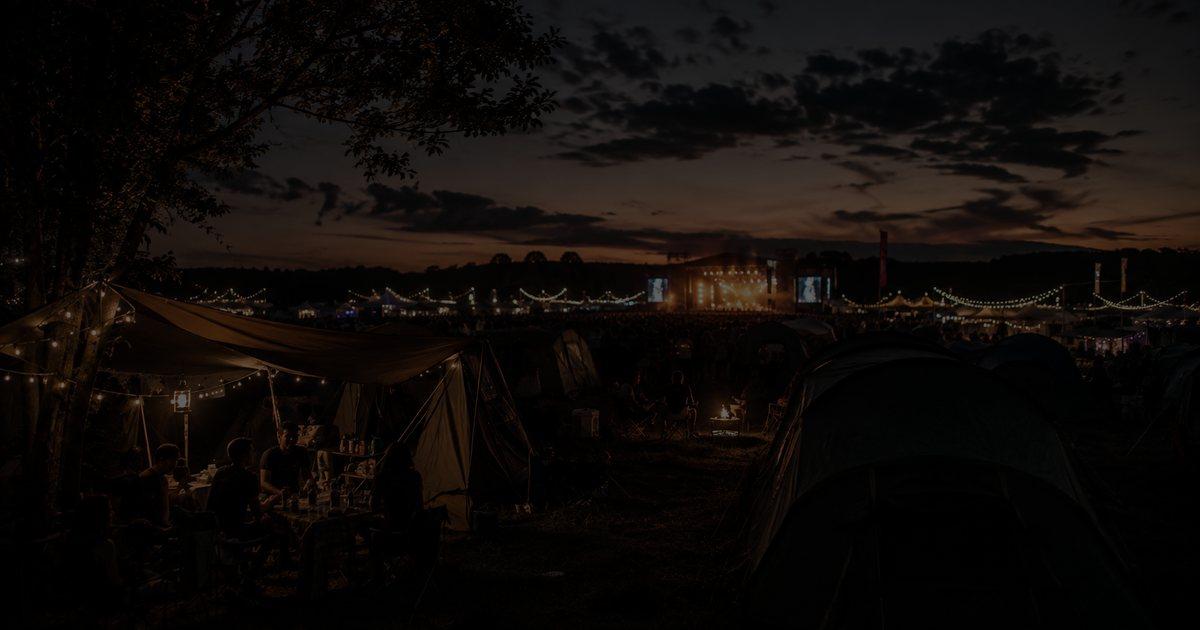
Every DJ wants the 1am slot. The one that actually builds careers is the 10pm one: the hours when the floor is empty, the house lights are still half up, and the only people in the room came to talk to each other. The warm-up is the least glamorous job in the club and the most revealing, because it is the only slot where you cannot hide behind a big record. Play it well and promoters remember you for years. Play it like a headline set and you will not be asked back, however clean your mixing was.
What the opening slot is actually for
An opening set has one job: hand the next DJ a room that is ready. Not a room that is already peaking, and not a room that has been emptied by twelve months of hype tracks fired off in ninety minutes, but a floor with people on it, an audience that has settled in, and enough unused energy left in the building that the headliner's first record feels like an arrival.
There is a commercial layer to this that newer DJs rarely think about. Early guests are still settling in — catching up with the people they arrived with and buying the first round — and none of that survives a room too loud to hold a conversation in. A warm-up played at peak volume and peak tempo pushes people out to the smoking area, and a promoter notices the till long before they notice your transitions. Your task in the first hour is to make the room feel inhabited rather than assaulted.
Set your ceiling before you pick your first record
The most useful piece of preparation is finding out where the next DJ starts. Listen to two or three of their recent recorded sets and note the tempo and intensity of their opening twenty minutes. If you cannot find recordings, ask the booker, or ask the artist directly — a professional will usually take the question as a good sign rather than an imposition.
Then finish below it. If the headliner opens around 128 BPM with a driving, full-bodied record, land your last twenty minutes somewhere near 122 to 124 with a groove that moves but is not maxed out. That gap is not weakness, it is the runway. If you close at 130 at full intensity, the next DJ has two bad options: go harder than they planned, or drop the room and rebuild it in public.
Inside that ceiling, energy still needs shape. A flat sixty minutes at one intensity is as much a failure as overplaying. Build a small rise, ease off, let the room breathe, then build again slightly higher. Deliberately releasing tension is also what sends people to the bar and back, so the pacing serves the venue as well as the music.
Programming: dig, do not peak
The discipline of a warm-up is leaving money on the table. Any record you would save for minute seventy-five of your own headline set is off-limits, and so is anything you suspect the headliner is carrying — playing the next DJ's own release, or the unreleased ID everyone knows is in their current set, is the quickest way to irritate the artist and the promoter in one move. What works instead of hits is material built on groove rather than hooks: dubs, instrumentals, DJ tools, records with long intros, older tracks that reward attention, arrangements with space in them. Let them run. Four or five minutes per record and long thirty-two to sixty-four bar blends suit a slow room far better than the tight, event-driven mixing that lands at peak time.
Build a genuinely separate warm-up crate rather than filtering your peak-time crate on the night. The structural thinking behind how a set gets built still applies, but the raw material is different, and choosing it under pressure at 9:50pm never goes well.
Harmony matters more here than it will later. At moderate volume in a half-empty room there is no crowd noise and no wall of sub-bass to mask a key clash, so two records fighting each other is immediately audible to everyone including the sound engineer. This is the slot where harmonic mixing stops being theory and becomes obvious.
Reading a room that is not yet a crowd
Twenty people standing near the bar is not a verdict on your set. The classic mistake is to read it as failure and reach for something big to force the floor: you get five people dancing to a record that should have arrived four hours later, and then nothing to follow it with. False peaks in a warm-up cost the whole night.
Read the smaller signals instead. Are people staying in the room or drifting out? Are coats coming off? Is anyone standing still and actually listening near the booth? Is the group at the bar facing the floor or facing each other? Those tell you far more than a headcount. Everything in reading a crowd holds true — you are simply reading a quieter signal, and you are allowed to be patient, because patience is the job.
The unglamorous professional layer
Openers often lose the rebooking on things that have nothing to do with music.
- Arrive early. Thirty minutes before your slot is the minimum. Say hello to the promoter and the sound engineer, and look at the booth before you have to use it.
- Respect the system. The engineer sets the rig, you set your trims. Keep your channels and master out of the red and leave headroom — a warm-up that already clips means the rest of the night has nowhere left to go.
- Hand over clean. Return EQs to centre, filters off, effects off, and check what state loops and quantise are in. The next DJ should inherit a neutral mixer, not a puzzle.
- End on time or slightly before. Ask how they want the changeover, hand over on a stable record, and do not try to mix into them unless you are invited to.
- Leave the booth. Do not linger, do not ask for extra time, do not hover waiting to be introduced.
None of this is visible to the audience and all of it is visible to the people who decide who plays next month. If this is your first booking, the practical checklist in preparing for a first gig is worth going through line by line.
Why the opening slot is the best career move available
Promoters book reliability before they book excitement. The opener is the low-risk hire, which is exactly why it is the realistic way into a good room, and why it so often turns into a residency. Residencies are where DJs actually develop: several hours a week in the same room, learning one specific crowd, allowed to play records that would never survive a sixty-minute guest slot. A lot of the deepest programmers learned the craft opening rooms rather than closing them.
Record your warm-ups and listen back the following day, not for social media but to hear exactly where you got impatient. That impatience is the thing to train out. A DJ who can hold a room at 120 BPM for an hour without reaching for a hook has a skill that scales all the way up to festival stages, and one who cannot will always need a full floor to sound good. For a second perspective from working DJs, Red Bull's guide to playing warm-up sets collects advice from people who do it for a living.
Treat the opening slot as its own discipline rather than a smaller version of a headline set. Know where the next DJ starts and finish below it, program groove instead of hooks, stay patient with a quiet room, and be immaculate about the boring professional details. Do that consistently and you stop being the DJ who fills the first hours and become the one the promoter builds the night around.
Frequently Asked Questions
What BPM should a warm-up DJ play?
There is no fixed number, only a rule: finish below where the next DJ starts. Find out what tempo the headliner opens at by listening to their recent recorded sets or simply asking, then land your final twenty minutes a few BPM under it. If they come in around 128, closing between 122 and 124 gives them somewhere to go.
Can a warm-up DJ play big records?
Almost never. Any track you would save for minute seventy-five of your own headline set is off-limits, and so is anything you suspect the headliner is carrying — especially their own releases. Big records in an opening slot create a false peak that the rest of the night has to recover from.
How long is a typical warm-up set?
Guest-heavy club nights usually give the opener sixty to ninety minutes, while residents in longer-format rooms may hold the first two or three hours. The longer the slot, the more room you have to be patient, which is an advantage rather than a burden.
What should you never do as an opening DJ?
Play the headliner's tracks, close at full intensity, run the mixer into the red, leave EQs and effects in odd positions at changeover, overrun your slot, or refuse to give up the booth. Openers lose rebookings on these details far more often than on their mixing.
Is taking the opening slot bad for your career?
The opposite. It is the lowest-risk booking a promoter can make, which is why it is the realistic way into a venue, and it is how most residencies begin. Long weekly slots in one room are where DJs actually learn programming and crowd reading.
Read next
Guide
Vinyl DJing Explained: Why DJs Still Play Records
Culture
Why DJs Hide Track IDs: Edit Culture Explained
Guide
Playing Vinyl at Festivals: Feedback, Wind, Heat and Riders
Guide
DJ Effects Explained: How to Use Echo, Filter and Reverb
Guide
How to Livestream a DJ Set Without Getting Muted
Guide