How to DJ Your First Gig: A Survival Guide
Nervous about your first DJ gig? A working DJ walks through prep, gear checks, reading the room, and recovering from mistakes so you nail it.
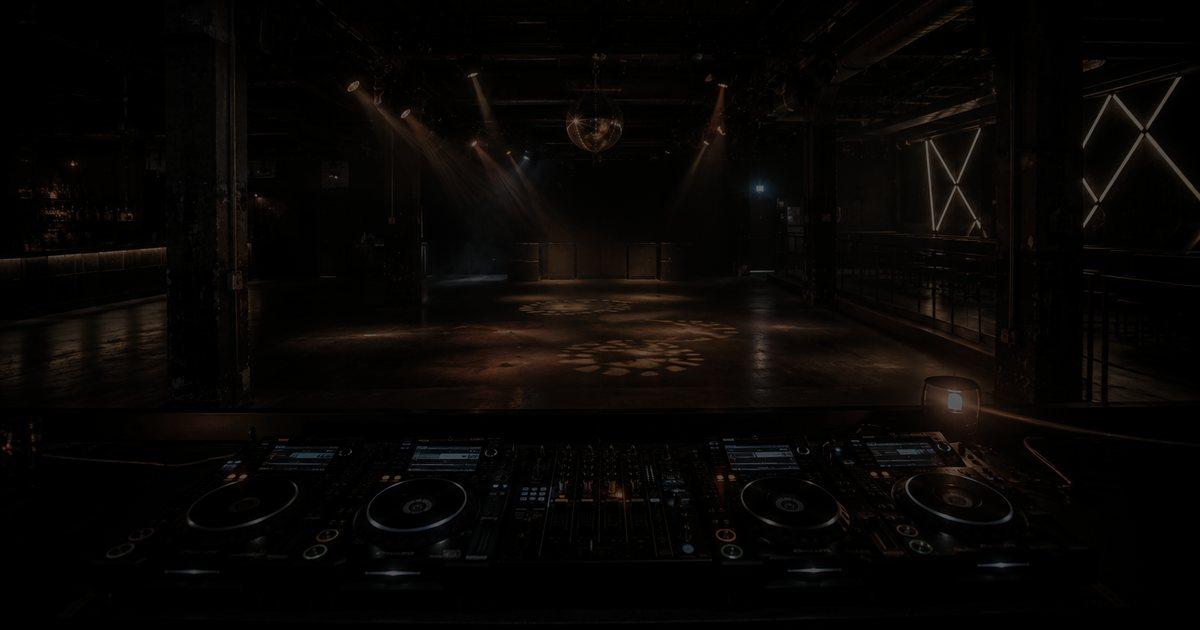
The gap between mixing in your bedroom and mixing in front of a real crowd is enormous, and nobody tells you that until you are standing behind the decks with a room full of strangers looking at you. Your first gig is not about being perfect. It is about being prepared enough that the inevitable surprises do not knock you off balance. Get the preparation right and the nerves become fuel instead of a wall. This guide walks through exactly what a working DJ does before, during, and after that first slot so you walk in ready.
Preparation Is Ninety Percent of the Job
Every experienced DJ will tell you the same thing: the set is mostly won before you leave the house. The performance itself is just executing decisions you already made. Start with your music. You need far more tracks than the slot requires, ideally three to four times the length you are booked for, because you cannot predict what the room will want.
Organise ruthlessly. Build crates or playlists by energy level and by moment, not just by genre. A practical structure looks like this:
- Openers that sit at a lower energy and let you read the room
- Builders that lift the tempo and mood without going full peak-time
- Peak-time weapons you know will land when the floor is ready
- Safety tracks that always work when you need to buy yourself thinking time
Tag everything with BPM and musical key so you can make fast decisions under pressure. If you are playing off USBs, learn how to prepare your USB for CDJs properly, with the right file format, analysed tracks, and a backup stick in your other pocket. Two USBs, always. Drives fail at the worst moment, and a professional plans for it.
Know the Venue and the Gear Before You Arrive
The single biggest source of first-gig panic is unfamiliar equipment. You practised on a controller at home and now there is a pair of CDJ-3000s and a mixer you have never touched. Solve this in advance. Find out exactly what is installed, and if the model is new to you, watch a walkthrough and study the layout the week before. If you are still deciding what to train on, our breakdown of CDJs versus controllers explains what transfers between the two.
Whenever possible, arrive early and do a soundcheck, or at least ask the DJ before you if you can plug in for thirty seconds. Check the headphone cue, the channel gains, the crossfader, and how the monitor sounds. Introduce yourself to the sound engineer and the promoter. That relationship matters more than any single mix you play, because those are the people who decide whether you get booked again.
Playing the Set: Read the Room, Not Your Nerves
When the moment comes, resist the urge to open with your biggest track. A common rookie mistake is going in too hard, too early, and leaving nowhere to build. Your job in the opening slot especially is to set a foundation, not to headline. Start at an energy that fits what is already happening in the room and lift it gradually.
Watch the floor constantly. Are people moving, talking, drifting to the bar? The crowd tells you everything if you pay attention, and learning to read a crowd is the skill that separates DJs who get rebooked from those who do not. Keep your transitions clean and simple. A smooth, boring blend beats an ambitious mix that trainwrecks. Nobody in the audience is grading your technical difficulty; they are feeling whether the energy stays alive.
This is exactly how DJs who fill festival stages think. German DJ Maxim Schunk, who has built up over 250 million Spotify streams playing progressive house and big room, treats a set as a story with a shape rather than a stack of favourite songs. That mindset scales down perfectly to a small bar: know where you are taking the room, and take it there patiently.
When Something Goes Wrong (Because It Will)
You will make a mistake at your first gig. A track will come in off-beat, a transition will clash, or you will hit play on the wrong deck. Here is the professional secret: the crowd almost never notices, and if they do, they forget within seconds as long as the music keeps moving. Panic is the only real failure. A dropped beat that you calmly recover from is invisible; a dropped beat followed by ten seconds of you freezing is not.
Keep a mental reset plan. If a mix falls apart, do not try to save the unsaveable. Cut cleanly to the incoming track, let it play, breathe, and line up your next transition properly. Have one or two absolutely reliable tracks you can drop in any emergency. Those safety tracks buy you the thirty seconds you need to get your composure back.
Managing the Nerves
Feeling sick with nerves before your first gig is completely normal, and it never fully disappears, it just becomes familiar. Preparation is the best cure, because confidence comes from knowing your music and your gear cold. Beyond that, the usual physical tools help: slow breathing, arriving early so you are not rushing, and reminding yourself that everyone behind the decks started exactly where you are. If nerves are a serious obstacle, our guide on overcoming stage fright as a DJ goes deeper into practical techniques.
One reframe that helps: the audience wants you to succeed. They came out to have a good night. They are on your side, not waiting for you to fail. If you are still building the fundamentals that make you feel secure up there, the broader roadmap in our beginner's guide to becoming a DJ covers the groundwork that makes a first gig feel manageable.
After the Set
When you finish, the work is not quite done. Thank the promoter and the sound engineer, help the next DJ get set up, and be easy to work with. Professionalism off the decks gets you rebooked as often as skill on them. Record your set if you can, and listen back the next day with an honest ear, noting the transitions that worked and the ones that did not. That review loop is how you improve fastest.
Your first gig is a milestone, not a final exam. Prepare thoroughly, stay calm when things wobble, keep the energy alive, and treat everyone in the building well. Do that and you will not just survive your first gig, you will earn your second one.
Frequently Asked Questions
How long should my first DJ set be?
Opening and early slots are usually 45 to 90 minutes. Whatever the length, prepare three to four times that amount of music so you can adapt to the room instead of being locked into a rigid tracklist.
What should I do if I make a mistake during my set?
Stay calm and keep the music moving. Most mistakes go unnoticed by the crowd, and any that are noticed are forgotten within seconds. If a mix falls apart, cut cleanly to the next track, reset, and line up your following transition properly.
How do I prepare if the venue has gear I have never used?
Find out exactly what is installed well in advance, then study the layout with a walkthrough video before the night. Arrive early to do a soundcheck or a quick plug-in test so the equipment feels familiar before your first track.
Should I open with my best track?
No. Opening too hard leaves you nowhere to build. Start at an energy level that matches what is already happening in the room and lift it gradually, saving your peak-time tracks for when the floor is genuinely ready.
How do I calm my nerves before my first gig?
Preparation is the best cure, since confidence comes from knowing your music and gear cold. Add slow breathing, arrive early to avoid rushing, and remember the audience is on your side and wants you to have a great night.
Read next
Guide
How to Become a DJ: A Complete Beginner's Guide
Guide
Overcoming Stage Fright as a DJ: Perform With Confidence
Guide
Club Sound Systems Explained: Why Rooms Hit Harder
Guide
Psytrance Explained: Sound, Subgenres and Culture
Guide
How to Make a Remix That Actually Goes Viral in 2026
Guide