Maxim Schunk Live: The DJ Sets Behind the Streams
What a Maxim Schunk live DJ set actually feels like, how his club and festival shows are built, and how to catch him on stage across Germany and Europe.
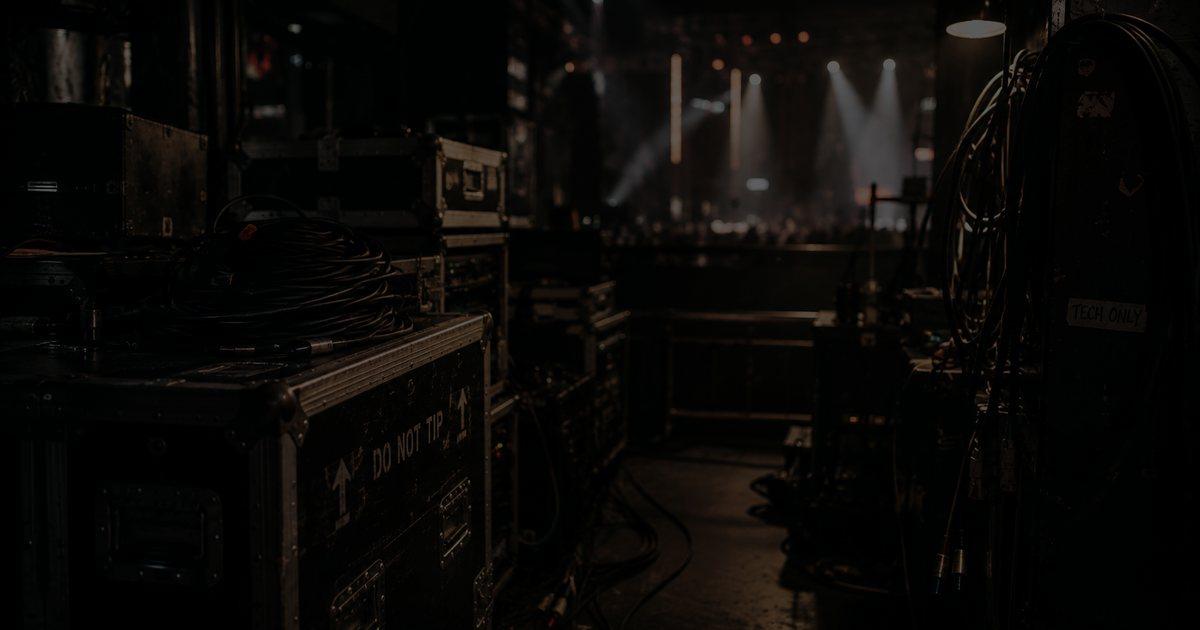
A track that has been streamed 100 million times on Spotify lives a very different life on a club floor at 1am. On record it is a private thing, played through headphones on a commute or a run. Live, it becomes collective: a room full of strangers hitting the same drop at the same second, hands up, the low end pressing against your ribs. For a DJ like Maxim Schunk — the German producer from Ratingen in the greater Duesseldorf area, with more than 250 million streams and over two million monthly listeners — the stage is not a side project to the studio work. It is the point of it.
From Studio Record to Dancefloor Weapon
There is a gap between how a song sounds finished in a DAW and how it behaves on a big system in front of a crowd, and closing that gap is a craft of its own. A progressive house or big room record is arranged for a listener sitting still. In a set, the same record has to survive being mixed into whatever came before it, pushed through a club's specific sound system, and dropped at exactly the right emotional moment. That is why so much of Maxim's melodic, big-hooked material — the kind of thing that turned an ABBA rework like Lay All Your Love On Me into a worldwide chart record — translates so directly on stage: it was built around moments a crowd can grab onto.
Melodic EDM lives or dies on those peaks. A drop only lands if the tension before it was engineered properly, and live that means the DJ has to protect the build — resisting the urge to slam every big moment back to back and instead letting the room breathe so the next lift actually hits. If you want the mechanics of how those peaks and valleys get sequenced across a whole show, our guide on how to build a DJ set breaks the structure down step by step.
What a Maxim Schunk Set Actually Sounds Like
The centre of gravity is progressive house, big room and melodic EDM — euphoric, major-key, built for hands in the air rather than for the head-down hypnosis of a techno room. A set will move through his own catalogue alongside carefully chosen records that share that DNA, so a listener who only knows one or two of his tracks still spends the night inside a coherent sound rather than a random shuffle.
The reliable high points are the records that already did the work on streaming and radio. Lay All Your Love On Me, the ABBA rework that climbed to No. 4 worldwide on iTunes, is a near-guaranteed sing-along because the vocal is decades of muscle memory before the drop even arrives. The viral Bella Ciao rework does the same job through a melody the whole room already carries. And newer material like Heatwave, his 2025 collaboration with JUSTN X, gives the set a current, harder-edged peak — you can read the story behind that one in our breakdown of Heatwave with JUSTN X. The through-line is emotional directness: melodies you can hum, drops you can feel coming, and enough familiarity in the room that strangers turn into a single crowd.
Reading the Room in Real Time
The single biggest thing separating a live set from a studio release is that a set is not fixed. A planned tracklist is a starting point, not a script. A great DJ watches the floor — where the energy sits, whether the room wants to be pushed harder or held at a plateau, which record made hands go up and which one sent people to the bar — and adjusts on the fly. A song that was meant to close might get pulled forward because the room is already there; a slower breakdown might get stretched because the crowd needs a moment to reset before the final push.
That responsiveness is why no two shows are identical even with overlapping tracklists. A festival slot in daylight to a passing crowd demands a different opening than a 2am club set for people who came specifically to hear you. This live-reading skill is its own discipline, and if you are a DJ yourself, our piece on how to read a crowd covers the signals worth watching for.
Clubs vs. Festivals: Two Different Jobs
A club and a festival stage ask for different versions of the same artist. In a club, the DJ usually has time — a longer slot, a room that fills gradually, the freedom to open at a lower energy and take the crowd on a genuine arc over sixty to ninety minutes. Deeper cuts and longer mixes work because the audience is committed and the night has room to develop.
A festival slot is compressed and competitive. You might have a shorter window, a crowd that is half yours and half wandering past, and neighbouring stages bleeding sound across the field. The response is a tighter, hook-forward set: the biggest records early, less patience for slow builds, every transition earning its place. For melodic big-room material like Maxim's, festivals are a natural home — the format rewards exactly the kind of anthemic peaks his catalogue is built around.
Why Live Matters for an Independent Career
Streaming numbers and stage presence feed each other. Streams prove there is an audience; live shows convert that audience from passive listeners into fans who show up, buy tickets and tell people. For an artist who came out of a long creative pause and rebuilt momentum from 2021 onward, the stage is where the abstract Spotify figures become real faces in a real room — and where a set can turn a casual streamer into someone who follows every release. The studio builds the catalogue; the live show builds the connection that keeps a career moving.
How to Catch a Show
Upcoming dates and shows are announced on Instagram @maximschunk, which is the most reliable place to see where and when he is playing next. The best preparation is simple: spend some time with the catalogue beforehand. Knowing the drops in advance is the difference between watching a set and being inside it — so when Lay All Your Love On Me or Heatwave lands, you are part of the room that already knew it was coming.
Frequently Asked Questions
How long is a typical Maxim Schunk live set?
It depends on the booking. Club sets usually run longer — often sixty to ninety minutes — because the room is committed and the night has time to build an arc. Festival slots tend to be shorter and more compressed, so the set leans harder on the biggest, most recognisable records.
What genre of music does Maxim Schunk play live?
His live sound centres on progressive house, big room and melodic EDM — euphoric, major-key, hands-in-the-air material rather than darker underground styles. Sets move through his own releases alongside records that share that melodic, anthemic character.
Which tracks are the highlights of his sets?
The reliable peaks are the records that already broke on streaming: the ABBA rework Lay All Your Love On Me, the viral Bella Ciao rework, and newer collaborations such as Heatwave with JUSTN X. Familiar vocals and telegraphed drops turn a crowd of strangers into a single room.
Is a live DJ set different from listening on Spotify?
Significantly. A studio record is arranged for a still listener, while a live set is mixed in real time, pushed through a big system, and adjusted to the crowd in front of the DJ. No two shows are identical, even with overlapping tracklists, because the room shapes the set as it happens.
Where can I find out about upcoming shows?
Upcoming dates are announced on Instagram at @maximschunk, which is the most reliable place to see where he is playing next. Spending time with the catalogue beforehand makes the show far better — knowing the drops in advance is what turns watching a set into being part of it.
Read next
Business
Event Insurance and Security: What Promoters Must Budget
About
Maxim Schunk Biography: Dusseldorf DJ, 250M Streams
Culture
The Night Jeff Mills Played Techno With an Orchestra
Business
Why DJs Play B2B Sets: The Business Behind Back-to-Backs
Culture
Footwork Explained: Chicago's 160 BPM Battle Music
News