Hard House Explained: Trade, Tidy and the 150 BPM Sound
What is hard house? The UK sound born at Trade in London: its BPM, hoovers and offbeat stabs, Tony De Vit, Tidy Trax, why it faded and what the revival means.
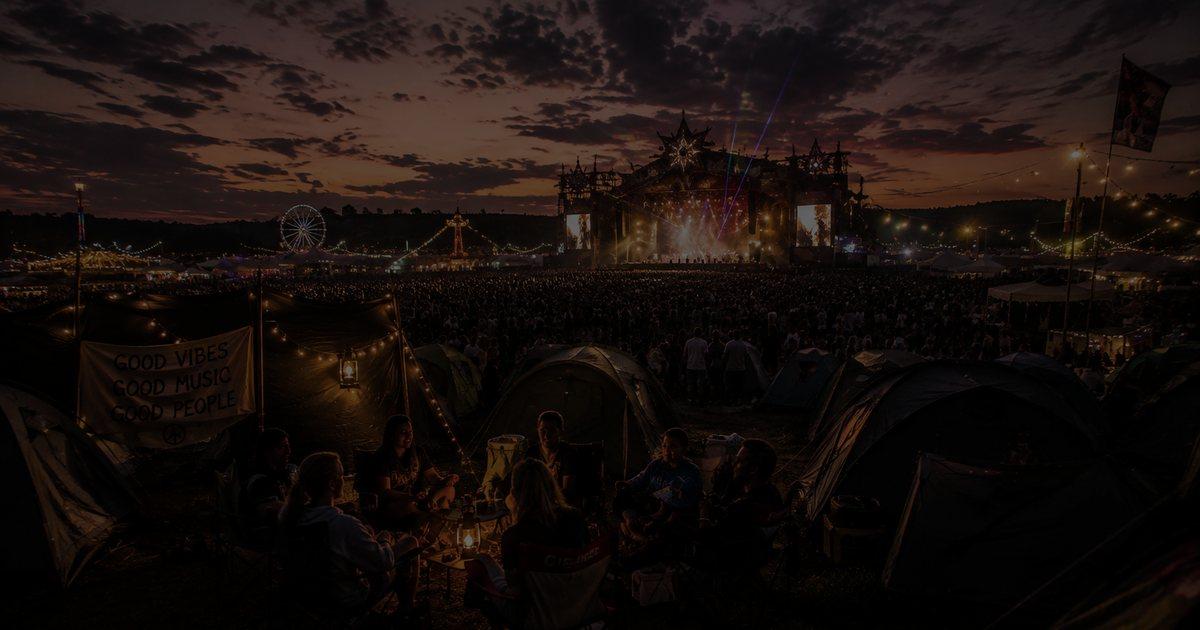
At three o'clock on a Sunday morning in 1990s London, when the rest of the city's gay clubs were turning the lights up, a queue formed outside Turnmills on Clerkenwell Road. Inside, Trade was just getting going. Over the next few years its residents played house faster and harder than anyone else in the city, with hoovers, horns and offbeat bass stabs. The sound that came out of those mornings got a name of its own: hard house. It went on to fill clubs and holiday parks across the country, sell records by the million and then disappear from the trend pieces almost overnight. Here is what hard house actually is, where it came from and why the name means something different again in 2026.
What is hard house?
Hard house is a fast, uplifting, very physical style of house music that developed in the UK in the early 1990s. It drew on several sources at once. There was the hard Belgian and German techno of the time, the disco-sampling house coming out of the US, the diva-heavy handbag house of British clubs, and early trance. In its first years it was often called hardbag, which tells you something about its roots: this was handbag house with the gloves off.
The emotional register matters as much as the tempo. Hard techno and gabber chase pressure and darkness. Hard house is playful and euphoric. It is built for a crowd that wants to dance for eight hours with its hands in the air, not to stand still in the dark.
What does hard house sound like, and what BPM is it?
The centre of gravity is around 150 BPM, although records range from roughly 135 up to about 165. The ingredients are recognisable within a bar:
- Offbeat bass stabs. The bass hits between the kicks rather than on them, which gives the music its bounce.
- Hoovers and horns. The hoover is the detuned, swooping synth sound that also defined early rave. Horn stabs supply the brass-band swagger.
- The drumless break. Most tracks have a breakdown in the middle with no drums at all, often held up by a single long, sharp string note.
- The drum-roll drop. The return is usually announced by a snare roll, the moment the whole room waits for.
Around this core sat close relatives. Hard NRG ran faster and harder. Pumping house, slightly slower and more driving, came out of the same rooms. In the North West of England, donk took the template and turned a pitched "pipe" sample into the bassline. Hard trance shared the clubs and the DJs but put the melody first. If you want the darker side of the same tempo range, our guides to hard techno and gabber cover the sounds hard house is most often confused with.
Where did hard house come from? Trade and Tony De Vit
Trade was founded in 1990 by Laurence Malice as a gay night at Turnmills in Clerkenwell. The club had secured an all-night licence, and Trade took the slot from 3am on Sunday mornings, when venues like Heaven had already closed. It is widely described as London's first legal after-hours club. The early residents included Smokin Jo, Daz Saund, Trevor Rockcliffe and Malcolm Duffy. Over the years the line-up also took in Tall Paul, Steve Thomas, Pete Wardman, Fergie and BK, a list that reads like the hard house hall of fame.
The figure everyone comes back to is Tony De Vit. Born in Kidderminster in 1957, he stood in for Smokin Jo one night in 1990, earned his own residency and became the most celebrated DJ the club produced, twice playing twelve-hour sets there. He is routinely called the godfather of UK hard house. His single "Burning Up" made the UK top 30 in 1995, and in May 1998 he played the Trade tent at the very first Creamfields. Two months later, on 2 July 1998, he died in Birmingham, aged 40. The scene has never really stopped mourning him. A blue plaque went up at the Custard Factory in Digbeth in 2022, and the documentary Don't Ever Stop: Tony De Vit followed in 2023.
Trade ended its weekly Sunday slot at Turnmills in October 2002 and played its last night there in March 2008. Turnmills itself closed in 2008 and was demolished a few years later, joining the venues in our list of lost clubs that shaped dance music.
How did hard house become a mass movement?
Trade gave the sound its birthplace. The North and the Midlands turned it into an industry. Tidy Trax was set up in 1995 by Amadeus Mozart and Andy Pickles, later known as the Tidy Boys, and the Leeds label was at the front of the scene from roughly 1998 to 2005. At its height, DJ Mag reported, it was selling a million records a year. From 2002, Tidy ran its own weekenders at Pontins holiday parks, beginning in Prestatyn. Three days of hard house in chalets by the sea became a rite of passage.
The club brands were just as important. Sundissential started at Pulse in Birmingham, later added a Leeds base, and built a cult following that made people cross the country every weekend. Frantic, launched in London in 1997 by a history teacher named Will Paterson, went on to sell out the 4,500-capacity Brixton Academy. In south London, the Nukleuz label became home to BK and Andy Farley, and its Hard House Nation compilation reached number four on the UK Compilation Chart in October 2000.
Much of that culture lived on things that no longer exist: twelve-inch singles bought on a Saturday, mix CDs in the glovebox, flyers handed out at the door. The cassette had its own version of that physical culture, which we trace in our history of rave tape packs.
Why did hard house fade?
There was no single moment, more a slow squeeze. Sundissential closed in 2005. By the late 2000s even Tidy was struggling with falling sales and poor attendance at events. The wider context explains a lot. Vinyl sales collapsed as DJs moved to digital, which hit a scene whose economy depended on records. Club tastes swung towards electro, minimal and later EDM, and the style press stopped writing about hard house at all. A sound tied so closely to one generation of clubbers also aged with them.
What never went away was the audience. Hard house was always more popular than it was fashionable, and the crowds that had made it big did not stop wanting to hear it.
Is hard house coming back?
Yes, though in two different ways. The first is the original scene returning on its own terms. In the mid-2010s Tidy's brand saw a strong resurgence, driven largely by social media, alongside memorial events for De Vit and a Sundissential relaunch in Leeds in 2016. Those parties are for people who were there and for their children.
The second is newer and more confusing. Since the early 2020s, as tempos across club music climbed, a younger, largely continental European wave has picked up the name hard house for a fast, often trance-inflected, groove-heavy sound. In June 2025 Armada Music released a short documentary called The Comeback of Hard House, which focused largely on the Dutch strand of that revival. Some of it borrows directly from the Trade playbook, with offbeat bass and big breaks. Much of it does not, and old-school fans are quick to say so.
For a DJ or a dancer the practical advice is simple: when a line-up says hard house, check which one it means. A 2026 festival booking and a Tidy reunion use the same two words for quite different nights.
Hard house was never cool in the way Berlin techno is cool. It was loud, camp, sweaty and unashamedly happy, made for a 3am crowd that had nowhere else to go and a Northern weekender crowd that did not care what London thought. That is why it lasted. The trend pieces moved on. The people who loved it never did.
Frequently Asked Questions
What BPM is hard house?
Classic UK hard house usually sits around 150 BPM. The wider range runs from roughly 135 up to about 165 BPM, with the faster end shading into hard NRG and the slower end into the pumping house that came out of the same clubs.
What is the difference between hard house and hard trance?
They shared clubs, DJs and often the same records box, but the emphasis differs. Hard house is built around the groove: offbeat bass stabs, hoovers, horns and a bouncing low end. Hard trance puts the melody and the long build first and uses the rhythm section to carry it.
Is hard house the same as donk or bounce?
No. Donk, also called bounce or hard bounce, is a later offshoot from the North West of England. It took the hard house template and made a pitched 'pipe' sample the offbeat bassline. It is related, but it is its own style.
Who is the godfather of hard house?
Tony De Vit, the Trade resident from Kidderminster, is the name most often given that title. He died in Birmingham on 2 July 1998, aged 40, and is still the reference point for the scene.
Is hard house coming back?
Parts of it never left. Tidy and Sundissential events returned in the 2010s, and since the early 2020s a newer, mostly European wave has revived the name. Be aware that much of what is tagged hard house today sounds closer to fast, trance-flavoured house than to the Trade records of the 1990s.
Read next
Culture
Born Slippy: The B-Side Trainspotting Turned Into an Anthem
Culture
Hard Techno Explained: Why Techno Got So Fast
Industry
Which Beatport Genre Should You Choose for Your Track?
Culture
Eight Tracks That Built Melodic Techno, From Rej to Anyma
Culture
Eight DJ-Run Parties That Went From Club Night to Arena
Culture