Born Slippy: The B-Side Trainspotting Turned Into an Anthem
How a drunken night in Soho, a one-take vocal and Danny Boyle's Trainspotting turned Underworld's forgotten 1995 B-side into a number 2 hit and an anthem.
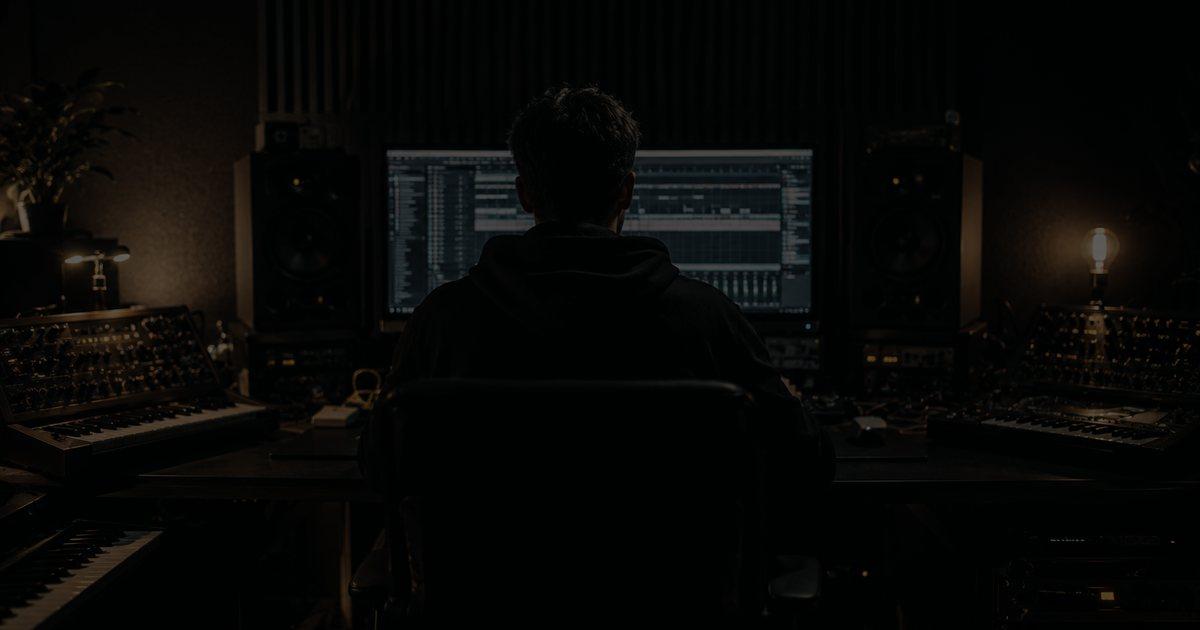
Somewhere in Soho in the mid-nineties, Karl Hyde was drinking his way down Wardour Street. He was the singer of Underworld, a band that had just found its feet in the London club scene, and he was, by his own later account, deep in alcoholism. He carried a notebook. That night he wrote down what he saw and heard in the broken way a drunk person remembers a city: fragments, signs, faces, a word repeated because the next one would not come. Those scraps became the lyrics of a B-side. A year later, a film about heroin addicts in Edinburgh turned that B-side into one of the defining records of the decade.
The record is Born Slippy .NUXX. Its story is about a happy accident, but it is also about a misunderstanding that never quite went away: millions of people sang along to a song about drinking without hearing that it was a cry for help.
A band that was not supposed to have hits
By 1995 Underworld were not a pop act and did not want to be one. The line-up of Hyde, Rick Smith and the young DJ Darren Emerson had reinvented an earlier, unsuccessful synth-pop version of the band. Their 1994 album dubnobasswithmyheadman, released on the London label Junior Boy's Own, was long, strange and built for clubs and headphones rather than radio. Hyde and Smith were also part of the art and design collective Tomato, and the band treated a track less like a song and more like an environment.
In May 1995 Junior Boy's Own released a single called Born Slippy. The A-side was a fast, pounding techno instrumental. The name, according to the band, came from a greyhound they had once bet on and won money with. On the flip side sat something else entirely, a separate track called Born Slippy .NUXX. The single spent two weeks in the UK chart and peaked at number 52. By any normal measure, that was the end of it.
The B-side nobody planned
The .NUXX track was built from two things that did not, at first, belong together. One was Smith's beat, a relentless four-to-the-floor kick that runs for most of the original's nearly twelve minutes. The other was Hyde's vocal, recorded in a single take from his Soho notebook. When he lost his place, he repeated what he had just said, and the repetition became the hook. That is where the famous chant of "lager, lager, lager" comes from: not a toast, but a stumble.
The chords, the huge, slow-moving pads that give the track its strange sadness, came later. Smith described the lyrics as being about energy, movement, time and place, closer to an abstract painting than a story. Hyde has said he was influenced by Lou Reed's album New York, which sounds like overheard bar conversations, and by the playwright Sam Shepard's Motel Chronicles, a book of short, fragmentary vignettes from the road. The result is a record that sounds euphoric and desolate at the same time. The kick tells your body to move; the voice sounds like someone who cannot stop.
How Trainspotting found it
Danny Boyle's Trainspotting, adapted from Irvine Welsh's novel, opened in British cinemas in February 1996. Boyle wanted Born Slippy .NUXX for the film and later called it its heartbeat. Underworld were not immediately convinced. They were wary of how films tended to portray clubbing, as a backdrop to self-destruction, and did not want their music used that way. Boyle showed them footage, and they agreed.
The track plays over the final scene, when Renton walks away from his friends with the money from a drug deal and delivers his last monologue about choosing life. It is one of the most famous endings in British cinema, and the music does much of the work. The relentless beat matches a man walking out of one life and into another; the fragmented voice carries everything he is leaving behind.
The soundtrack album became a phenomenon of its own, mixing Iggy Pop, Lou Reed, Blur, Pulp, Primal Scream and New Order with Underworld and Leftfield. For a generation of British teenagers it was the first time club music and indie guitar music sat on the same record as equals.
Number two, and a song turned inside out
On 1 July 1996 Junior Boy's Own reissued the single with .NUXX now leading. It reached number 2 on the UK Singles Chart and stayed in the Top 100 for sixteen weeks, then returned for another twenty-week run that winter. Melody Maker named it single of the year. It went top five in Ireland, reached number 1 in Italy and charted across Europe and in Australia. In the UK it is now certified double platinum.
That was the moment the misunderstanding set in. On festival fields and in student unions, the chant became a drinking song. Crowds raised cans and shouted the one word everyone could catch. Hyde, still drinking heavily at the time, found it disturbing. He later said the song was never meant to be a drinking anthem; it was a cry for help. Years later, sober, he said he had made his peace with it.
The record had another effect that was harder to see at the time. It proved that a near-twelve-minute techno track with a mumbled, fragmentary vocal could cross into the mainstream on its own terms, without a diva or a conventional chorus, because a film had given people a reason to listen. The same summer that Britpop dominated the charts, one of its biggest moments belonged to a band from the club underground. A year later the Mercury Prize went to Roni Size and Reprazent, a story told in the night drum and bass beat OK Computer; for a short window, the British establishment was taking club music seriously.
What happened afterwards
Underworld did not try to make another Born Slippy. Darren Emerson left the band in 2000, and Hyde and Smith carried on as a duo. The track kept returning anyway. A 2003 version with new remixes and a video cut by Boyle from Trainspotting footage went to number 1 on the UK dance chart.
The biggest second life came through Boyle again. When he was chosen as artistic director of the London 2012 Olympic opening ceremony, Hyde and Smith became its music directors, and Born Slippy was part of the music heard by a worldwide television audience. In 2017 Smith revisited the track for T2 Trainspotting, slowing and stretching it into a piece called Slow Slippy, as if the song itself had aged along with the characters.
In 2025 the band marked thirty years of the record with a limited anniversary vinyl edition, which reached the top five of the UK vinyl singles chart, and announced three nights at the O2 Academy Brixton in February 2026. A track that peaked at 52 as a B-side was, three decades later, still selling on vinyl.
Why it still lands
Plenty of nineties dance records are remembered because they were big. Born Slippy .NUXX is remembered because it means two opposite things at once, and both are true. For a crowd at closing time it is pure release. For the man who wrote it, it was a portrait of the worst period of his life, sung in one take by someone who was not sure where the next line was.
That gap between what a record was and what it became runs through dance music history, from Robert Miles writing a track to get ravers home alive to The KLF, who walked away from their own success. Born Slippy is perhaps the purest example. Nobody planned it, nobody chose it as the single, and its most famous line is a mistake. It became an anthem anyway, because a film gave it a moment and because, underneath the chant, it sounds exactly like the end of a long night: exhilarating, exhausted, and not entirely all right.
Frequently Asked Questions
What does Born Slippy mean?
The name comes from a greyhound Underworld had bet on and won money with. It was first the title of a fast techno instrumental released as an A-side in May 1995; the famous vocal track was the B-side, Born Slippy .NUXX.
Is Born Slippy a song about drinking?
Not in the way crowds sing it. Karl Hyde wrote the lyrics after a night drinking in Soho during a period of heavy alcoholism and has called the song a cry for help rather than a drinking anthem. The lager chant came from him repeating himself when he lost his place in a one-take vocal.
When is Born Slippy played in Trainspotting?
It plays over the final scene of Danny Boyle's 1996 film, when Renton walks away with the money from a drug deal and delivers his closing monologue. Boyle called the track the heartbeat of the film.
What chart position did Born Slippy reach?
The original 1995 single peaked at number 52 in the UK. After Trainspotting, the July 1996 reissue led by the .NUXX track reached number 2 on the UK Singles Chart. A 2003 re-release reached number 27 and topped the UK dance chart.
Read next
Culture
Schranz: Eight Records That Explain Today's Hard Techno
Culture
Diabla: The Glasgow Record That Keeps Coming Back
Culture
Rave Flyer Art: The Illustrators Who Drew the Scene
Scene
Eurodance Explained: The 90s Sound and Who Really Sang It
Scene
The Track Robert Miles Wrote to Get Ravers Home Alive
Scene