How to Start a Club Night: A Promoter's Guide
How to start a club night: choosing a venue, booking DJs, deal structures, break-even maths, marketing and turning a one-off party into a real night.
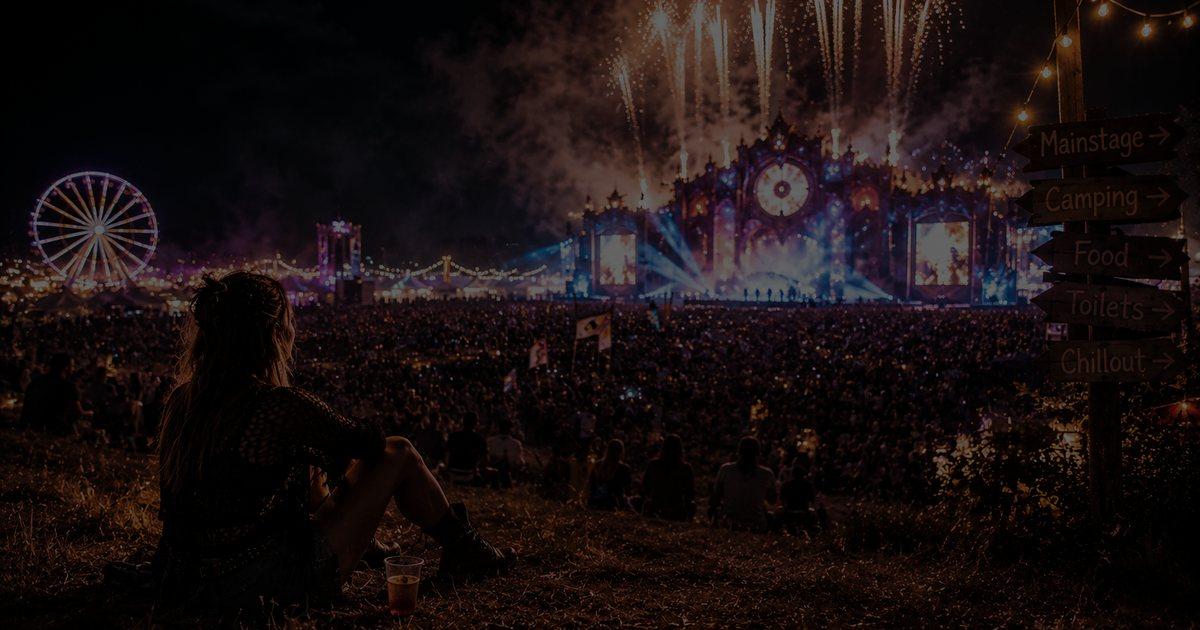
Almost every scene worth caring about started the same way: somebody could not find the night they wanted, so they built it themselves. Behind the mythology of the legendary club night sits a much less glamorous reality — a spreadsheet, a venue contract, a deposit paid before a single ticket has sold, and a promoter refreshing the sales dashboard at two in the morning. This guide is about that reality: not how to throw one party, but how to build a night that still exists in three years.
Start With a Reason, Not a Room
The most common failure mode for a new club night is starting from availability. A friend can get a room cheap on a Thursday, so a night appears, and nobody involved can say in one sentence what it is for. Rooms are easy to find. Reasons are not.
A reason can be musical: hard groove that nobody else in the city books, dub techno at listening-bar volume, a genuinely open-format room where the DJ is trusted rather than requested. It can be structural: an early-doors party that ends at 2am for people who cannot do 6am any more. It can be social: a floor built for a community the big clubs treat carelessly. What it cannot be is "good vibes and house music," which describes roughly everything.
Write the reason down in one sentence before you spend money. That sentence becomes your booking filter, your poster, your bio and the thing people say when they explain your night to a friend. If it does not survive being said out loud, it will not survive a Tuesday in January.
Finding a Venue and Reading the Deal
Small and underused beats big and prestigious when you are starting. Function rooms above pubs, bars with a back room, day venues sitting empty at night — these places have an obvious incentive to say yes, because your night monetises hours they were losing anyway.
Venue deals fall into a few recognisable shapes. A flat hire means you pay fixed rent and keep the door: all the risk and all the upside are yours. A bar deal means the venue keeps the bar takings and you keep the door, often with a minimum bar spend attached; a true bar split, where a share of the bar comes back to you, is worth asking for once you have proved you can fill a room. A door split divides ticket income between you. Hybrids are common — reduced hire against a bar guarantee, or free hire on a weeknight where the venue just wants bodies in the building.
Ask the awkward questions before you sign. What is the legal capacity, not the optimistic one? What is the curfew, and who pays if you overrun? Are security and cloakroom staff included or charged back to you? Who holds the licence, and what happens to it after a noise complaint? Is there an in-house engineer? And crucially: what is the sound system, in what condition, and can you hear it properly before you commit? A brilliant booking on a broken rig is a wasted booking, so it pays to know what you are listening for — see this guide to club sound systems.
Booking DJs Without Bankrupting Yourself
New promoters overspend on headliners because a big name feels like insurance. It is the opposite. A flat guarantee places one hundred percent of the downside risk on you: if the artist does not sell, you still pay in full, and a single bad night at headliner money can kill a night that would otherwise have run for years.
Learn the standard deal structures and actually use them:
- Flat guarantee — a fixed fee regardless of turnout. Simple, artist-friendly, and by far the riskiest option for you.
- Door deal — the artist takes an agreed percentage of ticket income instead of a fee. Risk is shared, so a slow night hurts less.
- Guarantee versus percentage — the artist receives whichever is higher, the guarantee or the agreed percentage. Standard in live music and used in clubs too.
- Guarantee plus break-even split — a modest fee, then a share of income once production costs are covered. The fairest structure when neither side knows the draw.
Whatever you agree, put it in writing: set times, technical requirements, travel and accommodation, and payment timing. A short, clear agreement protects the artist as much as it protects you. The same logic that governs how DJs get festival bookings applies in reverse once you are the one buying talent.
Book residents, too. A rotating cast of guests with no continuity gives people nothing to attach to. Residents develop your sound, learn your room and can open it properly, which is a specific craft rather than a consolation prize — as any decent warm-up set guide will tell you.
The Break-Even Maths Nobody Teaches
Before you announce anything, build the ugly spreadsheet. Fixed costs first: venue hire or minimum spend, artist fees, travel and hotels, additional sound or lighting hire, security beyond what the venue provides, print, a photographer, and the platform and payment fees that quietly take a slice of every ticket. Then divide total fixed cost by your net income per ticket. That number — not capacity, not optimism — is your break-even.
Two rules follow. First, break-even should sit comfortably below half of legal capacity. If you need eighty percent of the room just to avoid losing money, you have not built a party, you have built a bet. Second, use tiered pricing, because early tiers give you information you can still act on: a first release that moves slowly is a warning three weeks out, while you can still add a local name, change the framing or push harder on promotion.
Assume the first few editions lose money and budget for that. Most promoters find the profit comes later. What those losses buy you is data, a mailing list and a track record with venues and agents.
Marketing: Sell the Room, Not Just the Lineup
Lineup-only promotion has a hard ceiling, because it reaches only people who already know the artist. Nights that grow sell an experience instead: what the room feels like, who is in it, when it peaks, why it is worth leaving the house. In most promoters' experience, clips of a full floor do more work than poster graphics, because they answer the question people are genuinely asking: whether anybody will be there.
Things that reliably work: list on the ticketing and listings platforms your local scene actually uses, so you appear in the searches people already run; collect email addresses at every opportunity, because a mailing list is the one audience no algorithm can throttle; give residents and regulars ready-made assets to share rather than asking them to reshare yours; and announce in stages instead of dumping everything at once. The principles in a broader music marketing guide for DJs transfer directly, with one advantage specific to events — a hard deadline. After Saturday, the thing no longer exists.
Edition Two Is Harder Than Edition One
The first night sells on novelty and goodwill; your friends turn up. The second sells on whether the first was actually good, and that is where most nights quietly die. Fix the boring things: door queues, cloakroom chaos, an engineer nobody briefed, a start time nobody understood, unclear policies on behaviour and who is welcome. Debrief honestly the next day while it still stings — real numbers, real costs, what broke, what people said unprompted.
Then lock the next date fast, ideally before you leave the venue. A night with a known rhythm becomes a habit; a one-off becomes a memory. Resident Advisor's 2022 feature on what it costs to throw a club night is worth reading for the same reason: the promoters who last treat the accounting as seriously as the booking.
The Long Game
A club night is a business with a culture attached, and it fails whenever somebody treats it as only one of the two. Keep the maths conservative enough to survive the bad months, keep the reason sharp enough that people can explain it to a friend in one sentence, and then run it long enough for your room to become somebody's regular Friday. That is how scenes are actually built: slowly, at modest capacity, by somebody who kept showing up.
Frequently Asked Questions
How much money do you need to start a club night?
Less than most people assume, if you start small. The realistic minimum is whatever covers your fixed costs before a single ticket sells: venue hire or a minimum bar spend, artist fees, and a small promotion budget. A 150-capacity room with residents and one modest guest is a far safer first edition than a 500-capacity venue with a headliner you cannot afford to lose money on.
Should I pay a DJ a flat fee or offer a door deal?
If the artist's draw in your city is unproven, a door deal or a guarantee-versus-percentage structure is safer, because it shares the risk instead of putting all of it on you. Established artists and agents will usually expect a flat guarantee, which is reasonable — just make sure your break-even still works if the night only half fills.
How many tickets do I need to sell to break even?
Divide your total fixed costs by your net income per ticket after platform and payment fees. That is your break-even number. As a working rule, it should sit below half of the venue's legal capacity; if you need most of the room just to cover costs, the night is a bet rather than a business.
Do I need a licence to run a club night?
Usually the venue's existing licences cover the event, but you should confirm exactly what they permit — closing time, capacity, amplified music, and whether late-night extensions require notice. Public performance of recorded music is also licensed through the relevant collecting societies in your country — often more than one, since the composition and the recording are usually administered separately — so find out whether the venue's licence covers your event or whether you must register it yourself.
How far in advance should I announce a club night?
For a small club night, four to six weeks is usually enough, announced in stages rather than all at once. Announcing far earlier tends to burn attention long before anyone is ready to buy; announcing later leaves no time to react if the first ticket tier moves slowly.
Read next
Culture
Smart Glasses in Clubs: Are Meta Ray-Bans Banned?
Culture
Lost Clubs: Why Dance Music's Greatest Venues Closed
Culture
Club Door Policy Explained: Why You Get Turned Away
Culture
Why Clubs Ban Phones: The No-Photo Policy Explained
Industry
Why Festival Tickets Cost So Much: Where the Money Goes
Industry