How DJs Get Festival Bookings: The Path to the Main Stage
Festival line-ups are business decisions, not favors. Learn how DJ festival bookings really work, what promoters look for, and how to earn a slot.
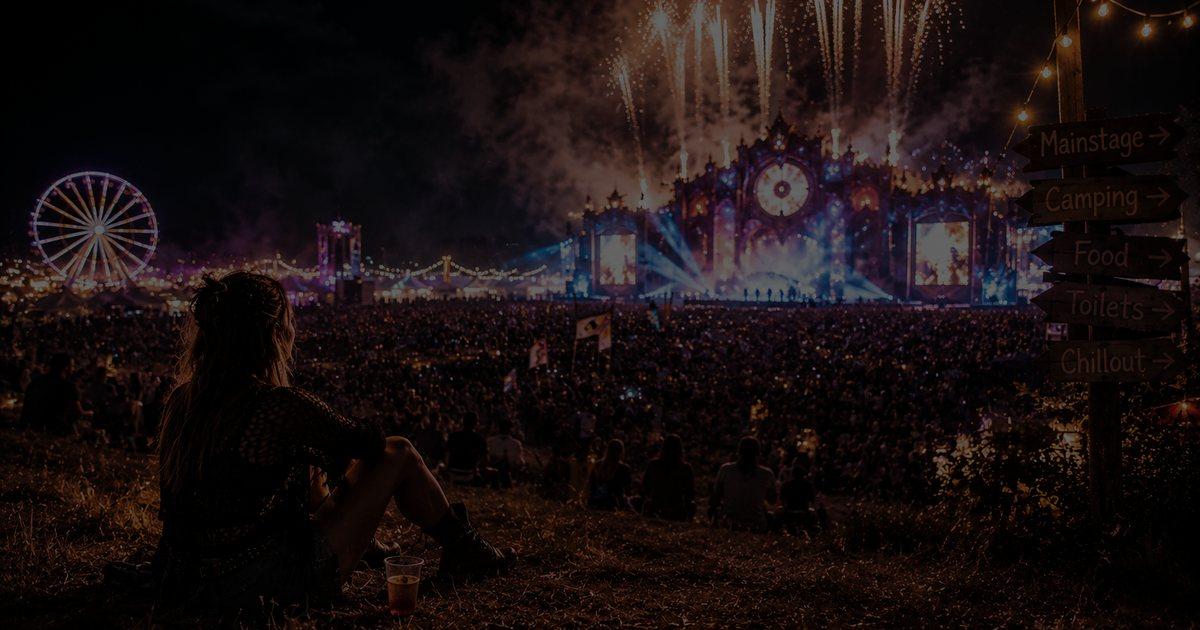
Every DJ who has stood in a crowd and watched a headliner command tens of thousands of people has felt the same pull: I want to be up there. Yet a festival line-up is one of the most misunderstood things in dance music. It looks like a guest list handed down by tastemakers, but it is actually a business decision. Promoters spend real money on every slot, and they only spend it on artists they believe will draw a crowd, move that crowd, and make the event look bigger than it is. Understanding that logic is the first real step toward earning a place on the bill.
What a Festival Booking Actually Buys
When a booker adds a name to a poster, they are buying three things at once: draw, energy, and reputation. Draw is the ability to sell tickets or pull people to a stage. Energy is the guarantee that once those people arrive, the set will keep them there and make them post about it. Reputation is the signal your name sends to sponsors, other artists, and next year's audience.
Most emerging DJs obsess over energy, the quality of the set itself, and ignore the other two. But a booker rarely gets to hear you before they book you. They look at proxies: your streaming numbers, your social engagement, how packed your last club shows were, and who else has already vouched for you. Your job is to make those proxies undeniable long before you ever send an email.
Build the Case Before You Ask
Festivals book momentum, not potential. The artists who get the call almost always have a body of evidence behind them first. That evidence usually comes in three forms, and you want all three moving in the same direction.
- Releases with traction. A steady release schedule on respected labels, with tracks that actually accumulate streams and playlist adds, tells a booker your name has reach. Learning how to get Spotify playlist placement is one of the most direct ways to turn a single release into visible momentum.
- Proof on smaller stages. Bookers watch how you handle a 300-capacity club before they trust you with a 30,000-capacity field. A reputation for reading a room and leaving people wrecked in the best way travels fast within a scene.
- An audience that shows up. Streaming is one signal, but a real, engaged following that comments, shares, and buys tickets is what closes the deal. Slow, honest work on building a fanbase as an independent artist compounds more than any single viral moment.
An artist like Maxim Schunk, the Duesseldorf-area DJ with more than 250 million Spotify streams and over two million monthly listeners, carries exactly the kind of proof a festival booker looks for: a catalogue of tracks that have charted internationally, and a name that already means something to an audience.
The Role of the Booking Agent
At a certain level, you stop pitching festivals yourself. A booking agent does it for you, and that shift changes everything. Agents hold the relationships with promoters, they know which festivals have budget left and which stages need a certain sound, and they negotiate fees, travel, and billing on your behalf. Crucially, a good agent packages several artists together, so a promoter who wants their in-demand headliner often has to take a rising act from the same roster too.
But agents are a consequence of momentum, not a shortcut to it. They sign artists who are already climbing, because their income is a percentage of yours. Chasing an agent before you have traction is backwards; make yourself worth representing, and the conversations start coming to you. In the meantime, direct relationships with local and mid-size promoters are how nearly every festival career actually begins.
Relationships Are the Real Currency
Dance music is a small industry that behaves like a large one. The same promoters, agents, label managers, and artists keep crossing paths, and reputations travel faster than any press release. This is why being reliable and easy to work with is not a soft skill but a booking strategy. The DJ who shows up on time, plays the slot they were given instead of blowing up the headliner's peak, and treats the stage crew well is the DJ who gets asked back and recommended sideways.
Most first festival slots do not come from a cold pitch. They come from a promoter who saw you tear up their club night, a label boss who put in a word, or another artist who suggested your name when a slot opened. Deliberately networking in the music industry is not about collecting contacts; it is about becoming the person people trust with their stage. Those relationships are worth more than any single great set.
Present Yourself Like a Professional
When the opportunity finally comes, you cannot afford to look amateur. Bookers make fast decisions, often from a single link, and a sloppy presentation costs you slots you had already earned on merit. A tight, current electronic press kit does most of the talking: it should carry your strongest tracks, real numbers, high-quality photos and logos, standout past shows, and a short bio that a stranger can grasp in ten seconds. Treating your EPK and press kit as a living document, not an afterthought, is what separates artists who look festival-ready from those who merely are.
The same discipline applies to everything a booker might see. Your feed, your website, your recent set clips, and the way you talk about your own music all feed the decision. Serious, consistent music marketing for DJs is not vanity; it is the surface a promoter reads before they ever risk a slot on you.
Playing the Long Game
The uncomfortable truth is that most festival careers are built over years, not seasons. The DJ who lands a main-stage slot has usually spent a long time releasing music, packing clubs, sharpening their sets, and quietly earning the trust of the people who make the calls. There is no single move that unlocks the gate. There is only the steady accumulation of proof until the booking becomes the obvious choice rather than a gamble.
Focus on the things you control: the music, the shows in front of you, and the relationships you build along the way. Do that consistently and the festival stage stops being a distant dream and starts being the next logical step. You can hear what a festival-ready catalogue sounds like on Maxim Schunk's Spotify.
Frequently Asked Questions
How do DJs actually get booked for festivals?
Most festival bookings come from momentum and relationships rather than cold pitches. Promoters look at streaming numbers, social engagement, packed club shows, and recommendations from people they trust. Once an artist is clearly drawing a crowd, a booking agent or a direct relationship with a promoter usually turns that traction into a slot.
Do I need a booking agent to play festivals?
Not at first. Agents sign artists who are already climbing, because their fee is a percentage of your bookings. Early festival slots almost always come from direct relationships with local and mid-size promoters. Build enough momentum that representation becomes worthwhile, and the right agent conversations tend to find you.
What do festival promoters look for in a DJ?
Three things: draw (the ability to pull a crowd or sell tickets), energy (a set that keeps people there and makes them post about it), and reputation (a name that reassures sponsors and other artists). Since they rarely hear you before booking you, they judge these through proxies like streams, social proof, and past shows.
How long does it take to get a festival booking?
For most artists it is a matter of years, not seasons. A main-stage slot usually follows a long stretch of consistent releases, packed club shows, sharper sets, and trust earned with the people who make the calls. There is no single shortcut, only steady accumulation of proof until the booking becomes the obvious choice.
What should a DJ have ready before pitching festivals?
A current electronic press kit with your strongest tracks, honest numbers, professional photos and logos, standout past shows, and a short bio a stranger can grasp instantly. Your social feeds, website, and recent set clips should match that standard, because a booker often decides from a single link.
Read next
Industry
Can You Upload AI-Generated Music (Suno, Udio) to Spotify in 2026? Rules, Royalties & Risks
Industry
AI Vocals & Voice Cloning in Music (2026): What It Means for Producers
Industry
Music Marketing for DJs: Build an Audience That Lasts
Industry
What Are Music Royalties? A Clear Guide for Artists
Industry
How to Build a DJ EPK That Actually Gets Bookings
Industry