Why Clubs Ban Phones: The No-Photo Policy Explained
From Berghain's camera stickers to fabric's ban: why clubs stop you filming the dancefloor, how the rule is enforced, and what it changes on the floor.
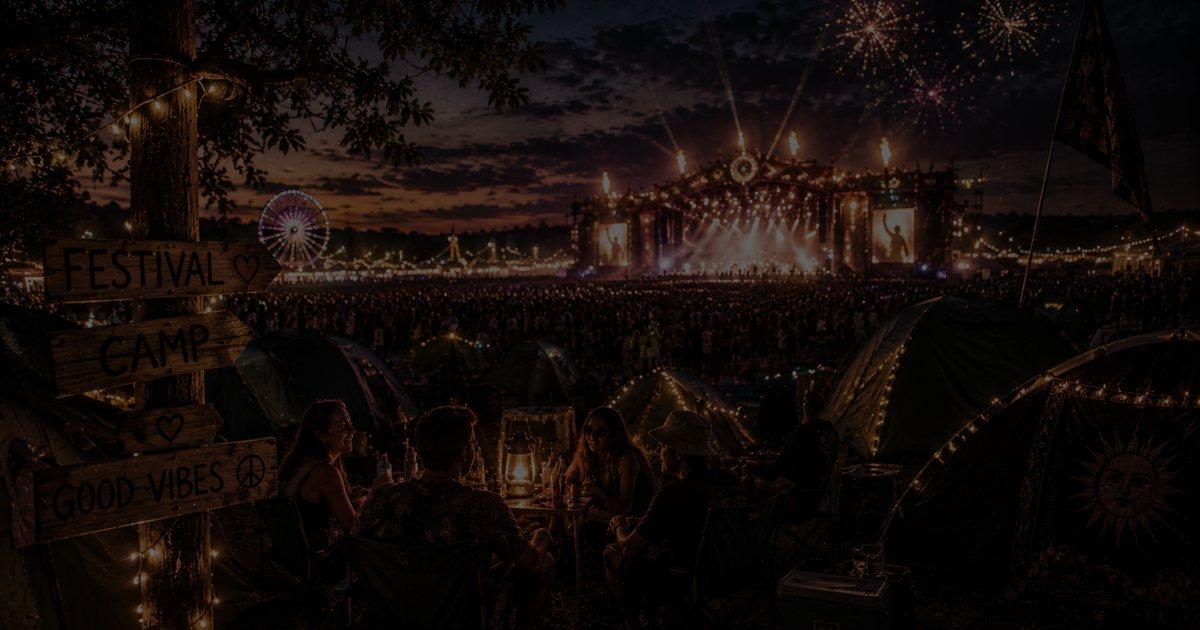
You get through the search, the doorman nods you in, and before you take another step someone reaches for your phone and presses a small opaque sticker over the camera lens. Front and back. No discussion, no apology. For a lot of people it is the strangest thirty seconds of their first proper club night, and it tells you more about what the room is for than any line-up poster could.
The no-photo policy is one of the most misunderstood conventions in club culture. It gets read as pretentiousness, as mystique-building, as a marketing trick by venues that want to stay unphotographed and therefore mythical. Some of that is true. Most of it misses the point entirely.
Why do clubs ban phones on the dancefloor?
There are three reasons, and they carry very different weight depending on the venue.
The first is consent. A club is a room where people take off the version of themselves they wear at work. They dance badly, they cry to a breakdown, they kiss someone, they wear something they would not wear on a Tuesday. None of that is intended for an audience beyond the room. A phone held up in the middle of a crowd captures dozens of people who never agreed to be captured, and a fifteen-second story can travel to their colleagues, their family, their landlord.
The second is protection, which is consent with real stakes attached. Electronic music's core venues grew out of queer and Black spaces that survived precisely because what happened inside stayed inside. That logic is not history. At Bassiani in Tbilisi, the club that became the centre of Georgian techno, bouncers sticker cameras because the venue serves an LGBTQ+ community in a country where being outed can cost people their family or their job. Its long-running queer night, Horoom, is built on that guarantee. A camera on that dancefloor is not a nuisance. It is a risk to somebody.
The third is attention, and it is the reason most venues cite publicly. When a section of the floor is filming, the rest of the floor is being filmed, and both groups stop dancing. The person recording is monitoring the shot instead of the music. The people around them are performing instead of losing themselves. A room full of raised screens is a room where nobody is quite present, and presence is the entire product a club sells.
Which clubs have a no-photo policy?
Berlin is the reference point. Berghain has stickered cameras for years, and the practice spread across the city's serious venues, from ://about blank to Sisyphos. The city's clubs treat it as ordinary door procedure rather than a special rule, which is why visitors are so often caught off guard by it. If you want the wider context of how that scene works, the Berlin techno scene guide covers the door, the sound and the unwritten conventions around them.
It is not only a Berlin habit. London's fabric announced a strict no photo, no video policy in June 2021, ahead of its reopening after the pandemic closures, asking people to "stay in the moment and put away your phone". In August 2025, Manchester's Warehouse Project announced a phone-free policy for shows in its Concourse room for the season starting 6 September at Depot Mayfield, with the club providing official photos and video afterwards so people still leave with something.
Beyond stickers, some promoters have moved to lockable pouches — the Yondr system familiar from comedy shows and theatre — where the phone stays with you but sealed. That is a harder line, and it draws a harder crowd reaction, which is rather the point.
What happens if you take a photo anyway?
You get warned, and then you get removed. Serious venues do not treat it as a minor infraction, because a policy that is enforced selectively is not a policy at all — the floor only relaxes if everyone trusts that the rule holds for everyone. At the strictest end, being caught filming can mean a permanent ban rather than a walk to the exit.
The stickers themselves are low-tech on purpose. They are single-use, they peel off without residue, and they leave your phone otherwise fully functional: you can text, call, check the time, find your friends. Nobody is confiscating your device. They are removing one specific capability for one specific number of hours.
Is filming people in a club actually legal?
The policy is not only cultural. In Germany, the right to one's own image means that publishing a recognisable photograph of someone generally requires their consent, and a crowded dancefloor is full of recognisable people who have given none. Clubs across Europe operate under comparable privacy expectations. A venue enforcing a camera ban is not just defending a vibe; it is avoiding a category of problem it would otherwise have to manage every weekend.
Practically, though, the rule exists because of house rights, not statute. A club is private property and can set the conditions of entry. Accepting the sticker is part of the deal you make at the door, the same as the bag search.
Does a phone ban really change the night?
It does, though not in the mystical way it is sometimes described. What changes is the feedback loop. On an unrestricted floor, people are constantly making small decisions about how the night will look later — where to stand, when to raise the phone, whether this drop is worth capturing. Remove the option and those decisions disappear. What remains is the far simpler question of whether you like what you are hearing.
The secondary effect is on how a scene builds a reputation. A room nobody can film has no highlight reel, so it spreads by word of mouth, by who played there, by the people who came back. That is slower and far more durable than virality — the same dynamic that has always driven free party culture, where the whole point is that the event leaves no public trace.
What it means for DJs and promoters
For a DJ, a phone-free room is a mixed gift. You lose the clip: no crowd-shot footage for socials, no proof for a booker that the room went off. What you gain is a floor that responds honestly. You can tell within two tracks whether something is landing, because nobody is faking engagement for a camera. It also gives you licence to play unreleased material and edits without them appearing online by morning, which is a large part of why DJ edit and track ID culture works the way it does.
For promoters, the calculation is harder, and it is worth thinking through before you copy the policy. A no-photo rule costs you the cheapest marketing asset you have, and it will annoy a chunk of your audience. It only pays off if you replace that content with something else: a trusted house photographer shooting under clear rules, official footage released afterwards, a visual identity strong enough to carry the flyers. If you are building a club night from scratch, decide early which you are — a room people document or a room people disappear into. Trying to be both is where the policy falls apart.
The stickers are not about being cool. They are a small, slightly awkward piece of infrastructure holding up something that is genuinely hard to build: a room where several hundred strangers agree, for one night, not to be an audience for each other. Once you have stood in one, the awkward thirty seconds at the door stop feeling like a rule and start feeling like the price of admission to something rarer than it should be.
Frequently Asked Questions
Can you use your phone at all in a club with a no-photo policy?
Yes. The sticker covers the camera lenses, not the device. You can text, call, check the time and find your friends. Only the ability to photograph or film is removed, and the sticker comes off without residue when you leave.
Which Berlin clubs put stickers on your phone camera?
Berghain is the best known, but the practice is standard across the city's serious electronic venues, including ://about blank and Sisyphos. Door staff usually apply the stickers without asking, so expect it rather than argue about it.
What happens if you take a photo anyway?
You get warned and then removed. At the strictest venues, being caught filming or peeling off the sticker can mean a permanent ban rather than just being walked to the exit, because the policy only works if the crowd trusts that it applies to everyone.
Do clubs with a phone ban still post photos on social media?
Most do, but on their own terms. Venues such as Manchester's Warehouse Project supply official photos and video after phone-free shows, taken by a photographer working under agreed rules rather than by hundreds of guests filming each other.
Is it illegal to film strangers on a dancefloor?
In Germany, publishing a recognisable photo of someone generally requires their consent under the right to one's own image. In practice, though, a club's camera ban rests on house rules: the venue is private property and can set the conditions of entry.
Read next
Culture
Club Door Policy Explained: Why You Get Turned Away
Culture
Smart Glasses in Clubs: Are Meta Ray-Bans Banned?
Culture
Lost Clubs: Why Dance Music's Greatest Venues Closed
Culture
Too Old for Clubbing? Why Dancing After 40 Makes Sense
Culture
Books About Techno and Rave Culture: What to Read
Culture