AlphaTheta DJM-A7: The DJM-A9 Layout for Smaller Booths
AlphaTheta's DJM-A7 brings the DJM-A9 layout to a 4-channel mixer for bars and small clubs. Price, features, what's missing and what it means for venues.
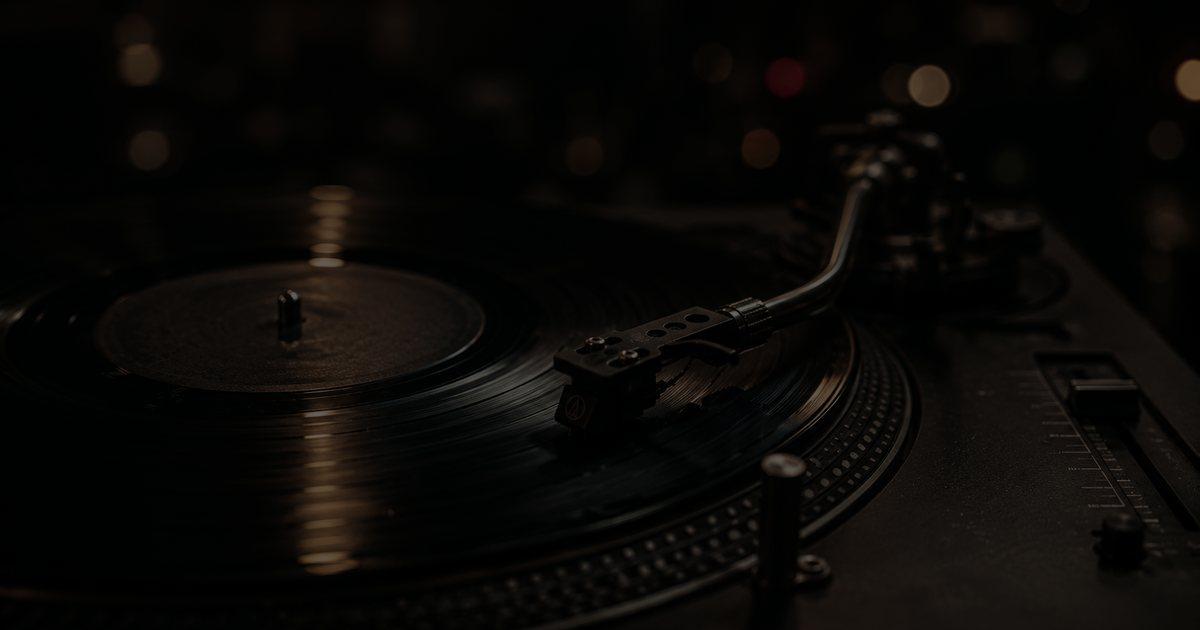
For years, the four-channel mixer in a small club or a cocktail bar has been a quiet compromise. The flagship sits in the main room, and the second room, the bar or the basement gets whatever cheaper model the budget allowed, often with a different layout and fewer features. On 10 November 2026 AlphaTheta, the company behind the Pioneer DJ hardware found in most booths, announced a mixer aimed squarely at that gap: the DJM-A7, a four-channel club mixer that borrows its layout from the flagship DJM-A9 and packs it into a much smaller body.
FAZEmag and DJWORX both reported the launch on the day, and AlphaTheta has published the full specifications on its product page. The recommended price is €1,599 including VAT, £1,369 in the UK and $1,599 in the US before sales tax. That puts it well below the DJM-A9, which launched in early 2023 at €2,799.
What the DJM-A7 actually is
The DJM-A7 measures 331 mm wide and weighs 6.7 kg, against 407.4 mm and 10.2 kg for the DJM-A9. According to DJWORX, its footprint is almost identical to the DJM-750MK2, the long-running mid-tier model that many bars and smaller rooms already have built into their booths.
The core features:
- Four channels, each with a phono and a line input, plus one microphone input (XLR / 1/4-inch combo).
- 45 mm channel faders taken from the DJM-A9, which FAZEmag highlights as one of the direct carry-overs from the flagship.
- Two USB-C ports for computers that can be connected at the same time, plus a third USB-C "MULTI I/O" port for AlphaTheta accessories such as the RMX-IGNITE and the DJM-REC.
- Software support for rekordbox (unlocked by the hardware, no subscription needed), Serato DJ Pro, djay Pro for Mac and Windows and djay for iOS (the last three require a paid licence or subscription).
- Effects: four Sound Color FX (Space, Dub Echo, Filter and a new Split Filter that focuses on the midrange) and six Beat FX (Delay, Spiral, Trans, Echo, Reverb, Roll).
DJM-A7 vs DJM-A9: what you lose and what you gain
The cuts are mostly in the effects section. The DJM-A9 offers six Sound Color FX and 14 Beat FX; the DJM-A7 has four and six. The flagship also has a second mic input and mic talkover, which the DJM-A7 does not support, and AlphaTheta's own comparison table lists the A9's colour display and X-Pad for Beat FX, while the A7 makes do with illuminated buttons. For DJs who mostly use a filter, an echo and a reverb, that barely registers; our guide to how DJs actually use echo, filter and reverb shows why.
More interesting is what the DJM-A7 has that the DJM-A9 does not:
- Master Texture: two dedicated knobs, AIR and LOW END, that shape the highs and lows of the master output. FAZEmag describes it as a way to adapt the master to a room's acoustics. DJWORX points out that the exact processing behind it is not explained in the published specs.
- Soft Mix Curve: a channel-fader mode that gently rolls off the high frequencies as the fader comes down, designed for smoother transitions.
- SonicLink: built-in 2.4 GHz wireless monitoring for compatible AlphaTheta headphones (HDJ-F10 and HDJ-F9) with a published latency of 9 milliseconds.
That 9 ms figure is worth putting in context. Sound travels roughly three metres in that time, so the delay is comparable to standing a few metres from a monitor speaker. Whether that feels tight enough for beatmatching on headphones will depend on the DJ; it is a number to test in the booth, not to judge on paper.
Why a "small" club mixer matters for venues
The DJM-A7 is less about new tricks and more about where it is meant to go. FAZEmag describes the target as clubs, bars and smaller venues that have to support different DJ setups. That is exactly where problems pile up on a normal night.
Changeovers. In a bar with three DJs on the bill, one might play from USB sticks, one from a laptop running rekordbox, one from Serato. Two computer ports that work at the same time mean the next DJ can plug in and get ready before the current set ends, without unplugging anything mid-track.
Familiarity. A DJM-A9 layout in the bar or second room means a DJ booked for both rooms, or moving from a club to a smaller venue, finds controls where they expect them. Riders across the scene are written around the AlphaTheta and Pioneer DJ ecosystem, and DJs who learned on USB sticks and CDJs tend to want the same hardware wherever they play, a habit with a long history traced in our story of the USB stick that took over the DJ booth.
Rooms that are not built for sound. Bars and small venues rarely have a properly tuned system. Master Texture is a direct answer to that: a quick way to pull back harsh highs or boost a thin low end without touching the venue's processor. But a DJ who cranks LOW END to rescue a weak system can push the master too hard, which is why understanding gain and the red lights on a mixer matters even more on a smaller rig.
What is missing
Traktor is not on the DJM-A7's list of supported software, while the DJM-750MK2 supported Traktor Pro 3 alongside rekordbox and Serato, according to AlphaTheta's own comparison. Bars that host Traktor DJs will want to check how they connect before swapping hardware. The missing talkover on the single mic input is a small but practical point for venues that use the mixer for announcements.
The DJM-A7 does, however, add PRO DJ LINK networking, which the DJM-750MK2 lacks. With compatible players this enables Link Cue: a DJ can preview a track, or another point in a playing track, on headphones without routing it to a channel.
Is the DJM-A7 the new DJM-750MK2?
AlphaTheta has not said that the DJM-A7 replaces the DJM-750MK2, and DJWORX writes that whether it becomes its successor will depend partly on pricing. The footprint, the target audience and the feature set point in that direction, but until the older model leaves the catalogue, both sit side by side.
The bigger picture is clear enough. With the DJM-A9 at the top and the DJM-A7 below it, AlphaTheta now offers the same mixer logic for the main room and the bar next door. For venues, that means fewer surprises at changeover. For DJs, it means the booth in a small room is starting to look a lot more like the one in the big room.
Frequently Asked Questions
How much does the AlphaTheta DJM-A7 cost?
AlphaTheta announced the DJM-A7 on 10 November 2026 at €1,599 including VAT, £1,369 in the UK and $1,599 in the US before sales tax. The flagship DJM-A9 launched in early 2023 at €2,799.
What is the difference between the DJM-A7 and the DJM-A9?
The DJM-A7 is smaller and lighter (331 mm wide, 6.7 kg versus 407.4 mm and 10.2 kg) and has fewer effects: four Sound Color FX and six Beat FX instead of six and 14. It has one mic input without talkover. In return it adds Master Texture, Soft Mix Curve and built-in SonicLink wireless headphone monitoring, which the DJM-A9 lacks.
Does the DJM-A7 work with Traktor?
Traktor is not on AlphaTheta's list of supported software for the DJM-A7. Supported are rekordbox (unlocked by the hardware), Serato DJ Pro, djay Pro for Mac and Windows and djay for iOS, the last three with a paid licence or subscription.
Does the DJM-A7 replace the DJM-750MK2?
AlphaTheta has not said so. The DJM-A7 has almost the same footprint as the DJM-750MK2 and targets similar venues, but adds PRO DJ LINK, Link Cue and two simultaneous computer ports. Whether it becomes the successor remains open.
Read next
News
Ministry of Sound Puts Its Martin Audio System Up for Sale
News
Berlin Club [119] Opens in the Former Kirche von Unten
News
Silencio Opens a Pop-Up Club in Berlin's Former Watergate
Culture
Bassline Music Explained: Sheffield's Niche Sound
Culture
Gqom Explained: Durban's Sound, Origins and Key Artists
Culture