Berlin Club [119] Opens in the Former Kirche von Unten
Berlin club [119] opens on 23 October 2026 in the former Kirche von Unten on Storkower Straße. What is known, and what it says about the city's club crisis.
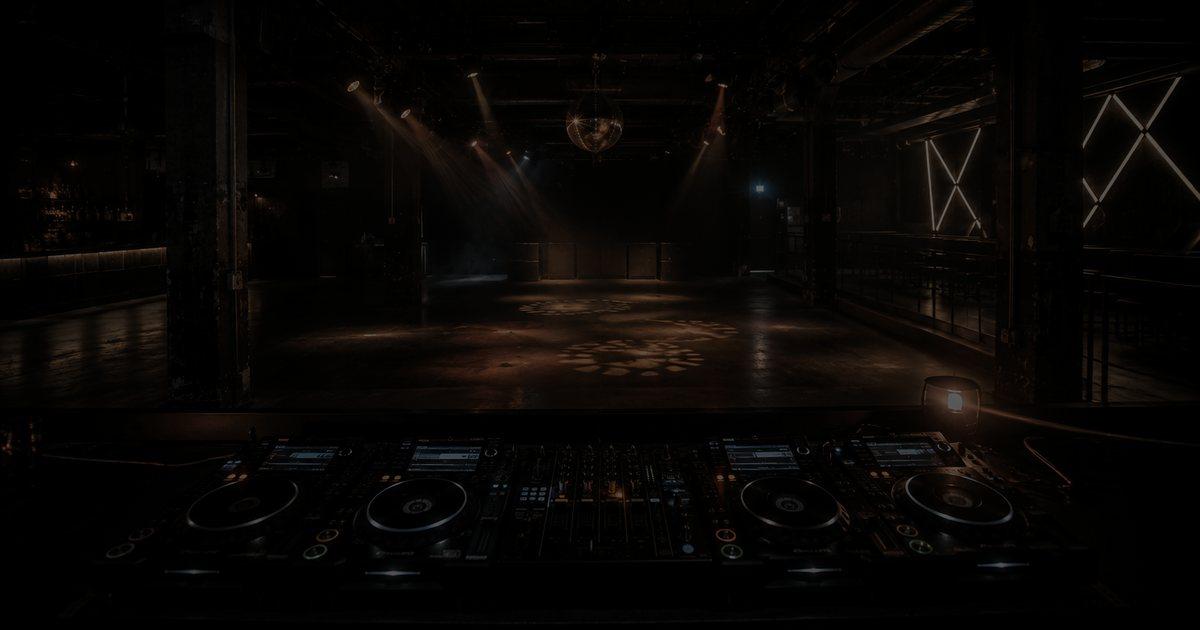
Berlin's club news over the past two years has mostly been about closures. On Friday, 23 October 2026, it runs the other way. A new club called [119] holds its official opening party at Storkower Straße 119 in Prenzlauer Berg, in the rooms formerly used by the Kirche von Unten (KvU), a youth and culture project that grew out of the East German opposition. Groove and FAZEmag reported the opening on 20 October, and Tagesspiegel and Berliner Zeitung followed.
The opening itself is a modest story: two floors, local DJs, a 20-euro ticket. What makes it worth a closer look is the address. [119] is the third venue in a short stretch of Storkower Straße to reopen a closed space in less than eighteen months. That says something about how Berlin's club map is changing, and about who can still afford to run a room.
What is [119] and when does it open?
[119] describes itself as a new place for contemporary electronic music. The official opening is on 23 October 2026. According to Tagesspiegel, a soft opening already took place at the end of September, and further parties are planned for the last weekend of October and early November. Groove lists three more parties on the following weekends, including nights by the collectives psYƨq and Extra Energy.
The club runs two floors. According to the Resident Advisor listing quoted by Groove, the opening night puts DJ Traytex, Shanda, Rill, Hontas, TRIS and BBetriebswirt in a room called Block, while DEV and Choreophila play in a second room called Halle. Entry costs 20 euros, according to Tagesspiegel. The operators sum up the booking policy in one line: “We bring local sounds together on two floors.”
Plenty is still unknown. Groove writes that it is not yet public who is behind the club, how big it is, or how often it will open. Tagesspiegel cites a local news portal saying the team comes from the music industry and nightlife and includes artists and DJs, but no names have been published. The outdoor areas are to be redesigned next summer and folded into the concept. Beyond club nights, the operators plan a theatre and dance workshop, with theatre, dance, experimental workshops and fashion and art projects further down the line.
Why the Kirche von Unten matters
The building carries more history than most club spaces. The Kirche von Unten, “church from below”, was founded in 1987 as an opposition group in East Germany, rooted in the Protestant church and its open youth work. In a state where independent organising was policed, church spaces were among the few places where young people could meet outside official structures. After reunification the KvU became a youth and culture venue with a left-wing, subcultural audience.
Its later history is a familiar Berlin pattern. In 1992 the KvU moved into the Arkonahöfe by the Mauerpark. After 22 years there, a dispute with new owners forced it out, and it moved to Storkower Straße 119. That did not last either: according to the taz, as cited by Groove, the KvU had to leave these rooms by the end of March 2025.
The new operators say they have kept some traces of the building's past. Tagesspiegel mentions the “KvU” lettering; Groove suggests GDR-era fluorescent tube fittings as another example. Whether a club can honour a place like this or only decorate itself with it will depend on what happens inside over the next year, not on the fittings.
Storkower Straße: three venues in eighteen months
[119] does not open in isolation. Next door, at number 123, the HIVE Festival team took over the Anomalie Art Club and reopened it as DSTRKT in May 2025. At number 121, in the rooms of the former Mensch Meier, the same team opened ROSA in September 2026, a club aimed at queer, sex-positive and kink audiences. Mensch Meier itself had closed in December 2023, with its collective citing the pandemic, energy prices and inflation.
Put together, the three addresses show a pattern. Collectives and long-running independents give up or are pushed out, and the rooms do not stay empty for long. Sometimes a larger operator with an established brand moves in; sometimes, as with [119], a newer team takes the space. Groove was openly critical when DSTRKT replaced Anomalie, arguing that turning a club into a brand was no answer to Berlin's club closures. Whether [119] belongs to that model or to the older one of independent rooms is exactly what nobody can say yet, because its operators have not been named.
What a new club says about Berlin's club crisis
Berliner Zeitung framed the opening against a long list of bad news: Watergate closed at the end of 2024, the queer institution SchwuZ shut in November 2025, and clubs on the RAW site in Friedrichshain, Cassiopeia among them, faced an uncertain future. A single opening does not reverse that. When Mensch Meier announced its closure, its collective said DJ fees had nearly doubled, and running costs across the city have risen with energy prices and inflation.
But openings like this one show where the city's club culture is actually heading. Large, iconic rooms are going to operators with money and a brand: Silencio from Paris will run a pop-up in the former Watergate from 30 October 2026 until May 2027. At the same time, smaller rooms on the edge of the centre keep turning over, often reusing spaces where other projects failed. Storkower Straße, on the eastern edge of Prenzlauer Berg and well away from the tourist routes of Friedrichshain and Kreuzberg, fits that second picture.
For anyone thinking of running a night, the lesson is the same as ever. A space is only the start; the hard part is building a crowd that comes back when the opening buzz is gone. Our guide on how to start a club night covers the economics behind that, and the history of dance music's lost clubs shows how quickly a famous room can disappear when the numbers stop adding up.
What to watch next
Three questions will decide whether [119] becomes a fixture or a footnote. Who runs it, and are they independent? How often will it open: weekly, or only for occasional events? And will the planned theatre, dance and workshop programme actually happen, or remain a line in the press release? The answers should come over the next few months. For now, Berlin gains a club rather than losing one, and that has become rare enough to be news.
Frequently Asked Questions
When does the Berlin club [119] open?
The official opening party is on Friday, 23 October 2026, at Storkower Straße 119 in Prenzlauer Berg. According to Tagesspiegel, a soft opening already took place at the end of September 2026, and further parties are planned for the following weekends.
Who runs [119]?
The operators have not been named publicly. Groove reports that it is not yet known who is behind the club, how big it is or how often it will open. Tagesspiegel cites a local portal saying the team comes from the music industry and nightlife and includes artists and DJs.
What was the Kirche von Unten?
The Kirche von Unten (KvU) was founded in 1987 as an opposition group in East Germany, rooted in the Protestant church's open youth work. It later became a youth and culture venue, moved to Storkower Straße 119 after leaving the Arkonahöfe, and according to the taz, as cited by Groove, had to vacate those rooms by the end of March 2025.
Which other clubs are on Storkower Straße?
DSTRKT at number 123 replaced the Anomalie Art Club and opened in May 2025 under the HIVE Festival team. ROSA at number 121 opened in September 2026 in the former Mensch Meier rooms, run by the same team and aimed at queer, sex-positive and kink audiences.
Read next
News
Silencio Opens a Pop-Up Club in Berlin's Former Watergate
Culture
Books About Techno and Rave Culture: What to Read
Culture
Club Door Policy Explained: Why You Get Turned Away
Culture
Lost Clubs: Why Dance Music's Greatest Venues Closed
Culture
Techno in America: Why the US Scene Is Booming Again
Culture