Acid House History: The TB-303 Sound That Changed Music
How Acid House was born from a failed Roland machine, exploded out of Chicago into the UK rave scene, and reshaped electronic music forever.
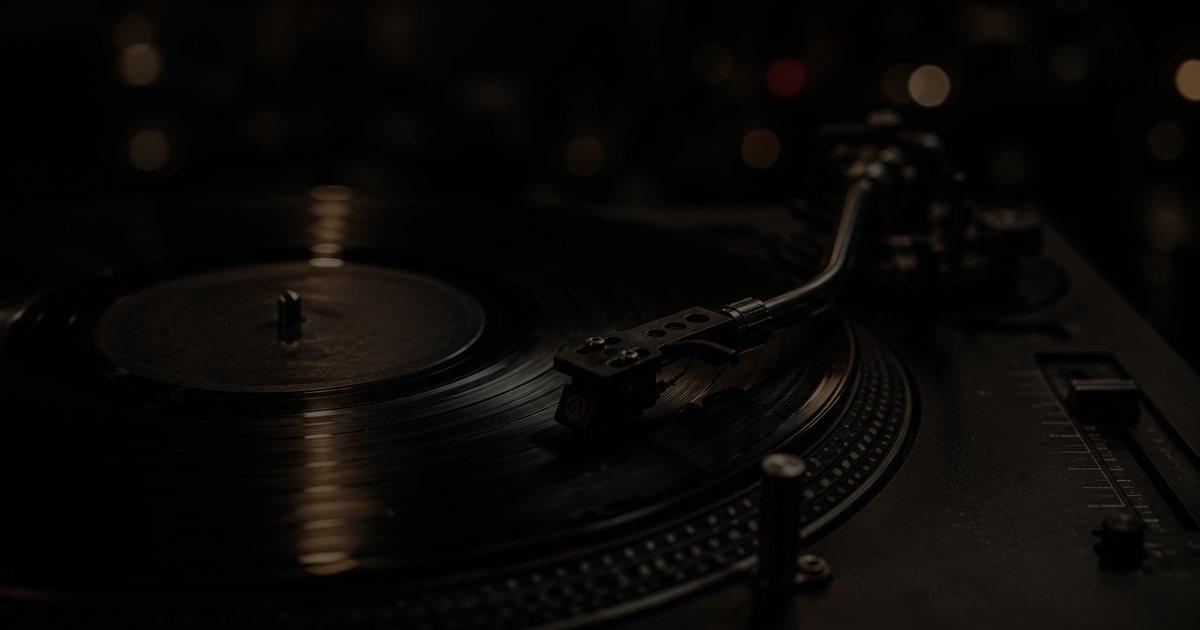
Almost every genre has an origin story, but few are as strange as Acid House. It was born from a machine that failed at its intended job, rescued from bargain bins by producers who had no idea what they were doing, and within a few years it had rewritten youth culture across two continents. The whole sound rests on one instrument, the Roland TB-303, and one happy accident. This guide breaks down where Acid House actually came from, why the 303 squelch is so unmistakable, and why the genre still matters to anyone making dance music today.
What Acid House Actually Is
Acid House is a style of house music defined by the resonant, sliding, liquid tone of the Roland TB-303 Bass Line. Instead of a clean bassline, the 303 produces a squelching, almost vocal sound that morphs continuously as you twist its filter cutoff and resonance knobs. Layer that over a straight 120-130 BPM four-on-the-floor kick, add a hi-hat pattern and a clap, and you have the skeleton of an acid track.
What separates acid from regular house is that the 303 line is not static. It is performed live, tweaked in real time, so the bassline behaves like a lead instrument that never stops evolving. That constant motion is why a good acid record can hypnotise a room using only two or three elements.
A Machine That Failed On Purpose
Roland released the TB-303 in 1981 as a practice tool. The idea was that a guitarist without a bandmate could program a bassline and play along at home. It was a commercial flop. The bass sounds were thin and unrealistic, the step sequencer was clumsy to program, and Roland discontinued it within a couple of years. Thousands of units ended up in second-hand shops selling for next to nothing.
That is exactly why it fell into the right hands. Cash-strapped young producers in Chicago bought 303s precisely because they were cheap. When they cranked the resonance and cutoff past anything Roland intended, the machine stopped imitating a bass guitar and started screaming, gurgling and squelching. The failure became the feature. It is one of the purest examples of a principle that still drives electronic music, which is that innovation often comes from abusing a tool rather than using it correctly.
Born In Chicago
Acid House grew directly out of the Chicago house scene of the mid-1980s. The city's DJs and producers had already built the foundations of house music in clubs like the Warehouse and the Music Box, and acid was the next mutation. The record usually credited with lighting the fuse is Phuture's "Acid Tracks", produced by DJ Pierre, Spanky and Herb Jackson. Its endlessly morphing 303 line stretched across roughly twelve minutes, and after DJ Ron Hardy hammered it in his sets, the sound spread through the city fast.
To understand acid you really have to understand the ecosystem it came from. If you want the full context, our guides to the history of Chicago house and Detroit techno map out the parallel scenes that were reshaping American dance music at the same moment. Acid was the raw, hypnotic edge of that movement.
The Second Summer Of Love
Acid House might have stayed a Chicago underground curiosity if it had not crossed the Atlantic. In 1987 and 1988 the sound landed in the United Kingdom and detonated. British DJs returning from Ibiza brought the records home, warehouse parties multiplied, and the movement exploded into what became known as the Second Summer of Love in 1988. The smiley face became its symbol, and huge illegal raves sprang up around the M25 motorway ring outside London.
This was more than a musical trend. Acid House reorganised British nightlife, fashion and even politics. The rave scene grew so large that the UK government eventually passed legislation aimed squarely at unlicensed gatherings, famously referencing music "characterised by the emission of a succession of repetitive beats." Few genres can claim to have provoked their own law. The energy of those years fed directly into the styles that followed, including trance and the broader wave of European dance music.
Why The Sound Still Matters
Acid never really went away, it just kept resurfacing. The 303 squelch runs through techno, trance, big room, psytrance and countless pop crossovers. Because original hardware 303s are now expensive collector items, a whole industry of clones and software emulations exists purely to recreate that filter behaviour. Any producer learning modern synthesis will run into the acid technique sooner or later, and the core lesson, that expressive filter automation can carry an entire track, is fundamental. If you are getting into synth programming, our beginner's guide to Serum shows how the same cutoff and resonance ideas translate to today's soft synths.
From a working DJ's perspective, acid is also a lesson in restraint. The genre proves that you do not need dozens of layers to move a crowd. You need one hypnotic idea, performed with conviction. That philosophy still shapes melodic and progressive dance music. German DJ Maxim Schunk, who works primarily in progressive house and melodic EDM, builds tracks around that same principle of a single strong hook driving the whole record, a direct descendant of the acid mindset even when the 303 itself is nowhere in the mix. If you are new to the wider family of styles, start with our beginner's guide to EDM.
Conclusion
Acid House is proof that music history rarely follows a plan. A discarded practice machine, a cheap second-hand price tag and a handful of curious producers combined to create a sound that toppled dancefloor conventions and reshaped an entire culture. More than three decades on, the squelch of the TB-303 is instantly recognisable, endlessly copied and still capable of filling a room. Understanding where it came from is understanding how electronic music really evolves, one accident at a time.
Frequently Asked Questions
What is Acid House?
Acid House is a subgenre of house music built around the squelching, resonant sound of the Roland TB-303 synthesizer. It pairs a constantly morphing 303 bassline with a four-on-the-floor beat, usually at 120-130 BPM, creating a hypnotic, repetitive groove.
Why is it called Acid House?
The exact origin of the name is debated, but it is widely tied to Phuture's 1987 track "Acid Tracks," which showcased the distorted, trippy 303 sound. The word "acid" captured the psychedelic, mind-bending quality of that squelching bassline.
What instrument creates the Acid House sound?
The Roland TB-303 Bass Line synthesizer. Originally a failed bass-practice tool from 1981, producers discovered that pushing its filter cutoff and resonance knobs produced a unique squelching tone that became the foundation of the entire genre.
Where did Acid House come from?
It emerged from the Chicago house scene in the mid-1980s, then exploded in the United Kingdom during 1987 and 1988, fuelling the rave movement known as the Second Summer of Love and reshaping British youth culture.
Is Acid House still relevant today?
Yes. The TB-303 sound continues to appear across techno, trance, big room and psytrance, and hardware clones and software emulations keep it alive. Its core idea, that expressive filter automation can carry a whole track, remains a fundamental production technique.
Read next
Scene
Chicago House: The Genre That Started It All
Scene
Detroit Techno: The Birthplace of a Global Genre
Culture
Italo Disco Explained: The Sound Behind House and Synthwave
Guide
Your First Hard Techno Festival: What to Expect, What to Wear
Culture
What Does PLUR Mean? Rave Culture's Code Explained
Culture