Tropical House Guide: The Sound of Summer
What defines Tropical House? A DJ's guide to its warm chords, steel-drum leads, tempo, key artists, and its lasting mark on pop and dance music.
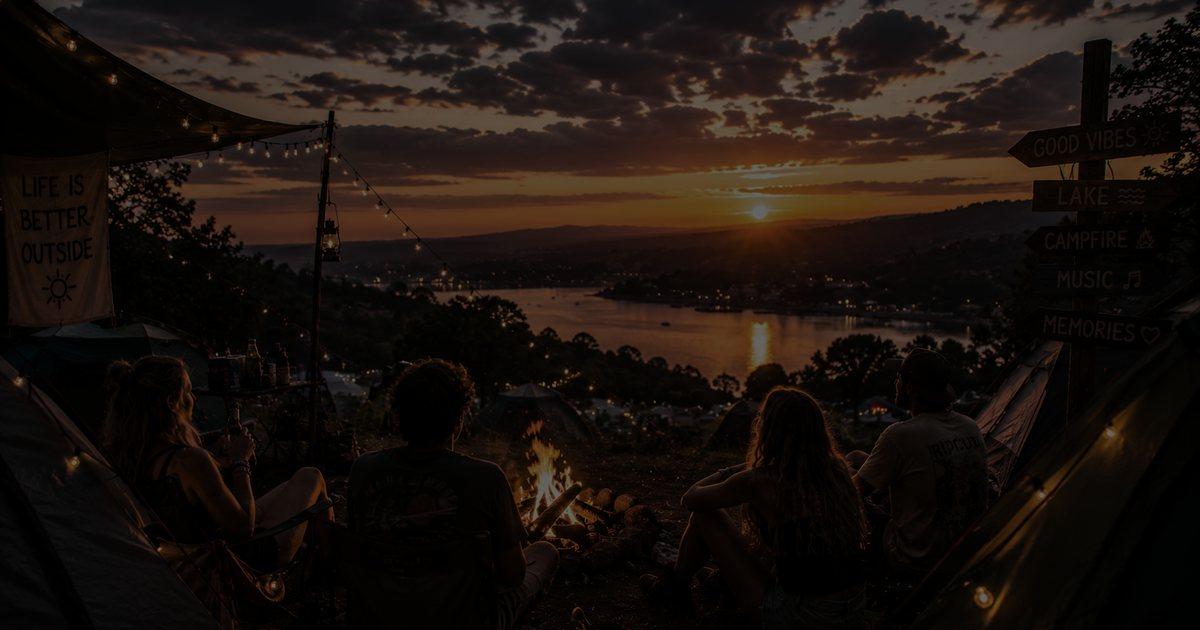
Few electronic subgenres have a mood as instantly recognisable as Tropical House. One bar of a plucked steel-drum melody over soft, sidechained chords and your brain is already somewhere with a beach, a low sun, and a cold drink. That emotional shorthand is exactly why the sound conquered pop radio in the mid-2010s and why it still quietly shapes chart production today. This guide breaks down what actually makes Tropical House tick, how it rose, and how a working DJ hears it in a set.
What Tropical House Actually Is
Tropical House, often shortened to Trop House, is a relaxed, melody-first branch of house music built for warmth rather than impact. It grew directly out of deep house, borrowing that genre's rolling groove and lush chords, then swapping the underground darkness for something sunlit and openly emotional.
The defining traits are consistent enough that you can name the genre within seconds:
- Tempo around 100 to 118 BPM. Noticeably slower than mainstage EDM, which sits closer to 128. That relaxed pace is the whole point, it feels like a stroll, not a sprint.
- Signature lead instruments. Steel drums (pan), marimba, kalimba, and pan flute carry the hooks. These wooden and metallic timbres are what give the genre its "tropical" identity.
- Warm, sidechained chords. Soft synth pads or electric-piano stabs that "breathe" in and out with the kick, creating that gentle pumping motion.
- A drop that comes down, not up. Where big-room EDM explodes into a loud lead, Tropical House usually resolves into a laid-back melodic hook. The energy release is smooth rather than aggressive.
- Vocals and space. Airy vocal chops, real toplines, and plenty of reverb and empty room in the mix keep everything feeling breezy.
The genius of the formula is its accessibility. Tropical House chases feeling over intensity, which makes it one of the easiest electronic styles for a non-dance audience to fall in love with.
From Beach Blogs to the Billboard Charts
The sound crystallised around 2013 to 2015. Australian DJ Thomas Jack is widely credited with popularising the "Tropical House" label through his early mix series, while Norwegian producer Kygo turned it into a global commercial force. Kygo's remixes and originals proved that a plucky marimba hook and a heartfelt vocal could pull tens of millions of streams and headline slots without a single hard drop.
From there the crossover was fast. Major-label pop leaned into the aesthetic hard, and by 2015 to 2016 the sound was everywhere on radio: relaxed tempos, tropical leads, and summery toplines became the default palette for warm-weather singles. What had started on SoundCloud and beach blogs became the sound of an entire pop season.
Why It Worked, and Then Cooled
Tropical House succeeded because it solved a real problem. By the mid-2010s a lot of mainstream EDM had become exhausting, wall-to-wall energy with little room to breathe. Trop House offered contrast: emotional, gentle, singable dance music that worked as well from a phone speaker on a balcony as from a festival stack.
That strength eventually became its ceiling. Because the template was so recognisable, and so easy to imitate, the market flooded with near-identical tracks, and the same pan-flute hooks started to blur together. By 2018 the pure form had cooled as tastes moved toward harder future house, future rave, and later amapiano-tinged and Afro-leaning grooves. Trends in dance music burn bright and rotate quickly, and Tropical House had its clear moment at the front.
The Lasting Influence You Still Hear
Cooling as a trend is not the same as disappearing. Tropical House permanently changed pop and dance production, and its DNA is still audible in a lot of what charts today:
- The melodic drop as standard. The idea that a drop can be a memorable, instrument-led melodic hook rather than a screaming synth is now mainstream, and it feeds directly into the melodic house that dominates streaming playlists.
- Warm timbres in the toolbox. Marimbas, plucks, and organic textures that once felt novel are now everyday tools in commercial dance production.
- Emotion as a feature. Trop House helped make it completely normal for dance music to be openly tender and vocal-led, a lineage that runs straight into today's melodic house catalogue.
That focus on warmth, melody, and feeling is the same instinct that runs through the wider progressive house tradition. German DJ Maxim Schunk works in that melodic, emotion-forward corner of the scene, and while his sets lean harder and bigger than pure Trop House, the shared priority is unmistakable: the melody has to make you feel something. You can hear that approach across his Spotify catalogue, which has passed 250 million streams.
How to Use Tropical House in a DJ Set
From behind the decks, Tropical House is a tempo and energy problem more than a genre problem. Its 100 to 118 BPM range sits well below peak-time house, so you rarely drop it into a packed midnight floor. Where it earns its place is in transitional moments: an opening set, a sunset or pool slot, the warm-up before you climb toward the main energy of the night. Its relaxed pull is ideal for building atmosphere before you push the tempo up.
Two practical tips. First, mind the BPM gap, jumping from a 112 Trop House track straight into 128 house is jarring, so use a bridging record or a tempo ramp to smooth the climb. Second, lean on the genre's emotional hooks as reset points; after a heavy stretch, a warm marimba melody gives a crowd room to breathe before the next build. Handled well, it is one of the best tools for pacing a long set. It is also why the sound remains a fixture on summer dance playlists year after year.
Conclusion
Tropical House was more than a passing summer fad. It proved that electronic music could be gentle, melodic, and emotionally direct while still reaching enormous audiences, and it handed modern dance production a warmer, more human palette that never really left. The pan-flute wave may have crested years ago, but every melodic drop and every openly emotional dance record still carries a little of its sunshine.
Frequently Asked Questions
What BPM is Tropical House?
Tropical House typically sits between 100 and 118 BPM, noticeably slower than mainstream festival EDM, which usually runs around 128 BPM. That relaxed tempo is central to its laid-back, sunset feel.
What instruments define the Tropical House sound?
The signature timbres are steel drums (pan), marimba, kalimba, and pan flute for the lead hooks, layered over soft sidechained chords and airy vocals. Those organic, warm instruments are what give the genre its tropical identity.
Who are the most important Tropical House artists?
Thomas Jack helped popularise the label through his early mixes, and Kygo turned the sound into a global commercial force with his plucky marimba melodies and heartfelt vocal productions in the mid-2010s.
Is Tropical House the same as deep house?
No, but they are closely related. Tropical House grew out of deep house, keeping its rolling groove and lush chords, then adding bright tropical lead instruments and a more openly emotional, radio-friendly feel.
Is Tropical House still popular?
The pure trend peaked around 2015 to 2016 and has since cooled, but its influence is permanent. Melodic drops, warm organic timbres, and openly emotional vocal-led dance production are all part of its lasting legacy.
Read next
Guide
How to Remix a Song into Progressive House: A Producer's Step-by-Step Guide
Guide
'The Fate of Ophelia' by Taylor Swift: Remix Potential & Melodic House Flip Analysis
Guide
Future House Explained: Sound, History & Key Artists
Guide
Deep House Guide: Origins, Sound & Why It Endures
Guide
Chord Progressions for EDM: Building Emotion in Tracks
Guide