The Songs of Summer 2026 — A DJ's Take on What Works on the Dancefloor
A working DJ's honest, on-the-decks rundown of summer 2026's biggest dance songs: which play in a set, which need real work, and the remix-rights reality.
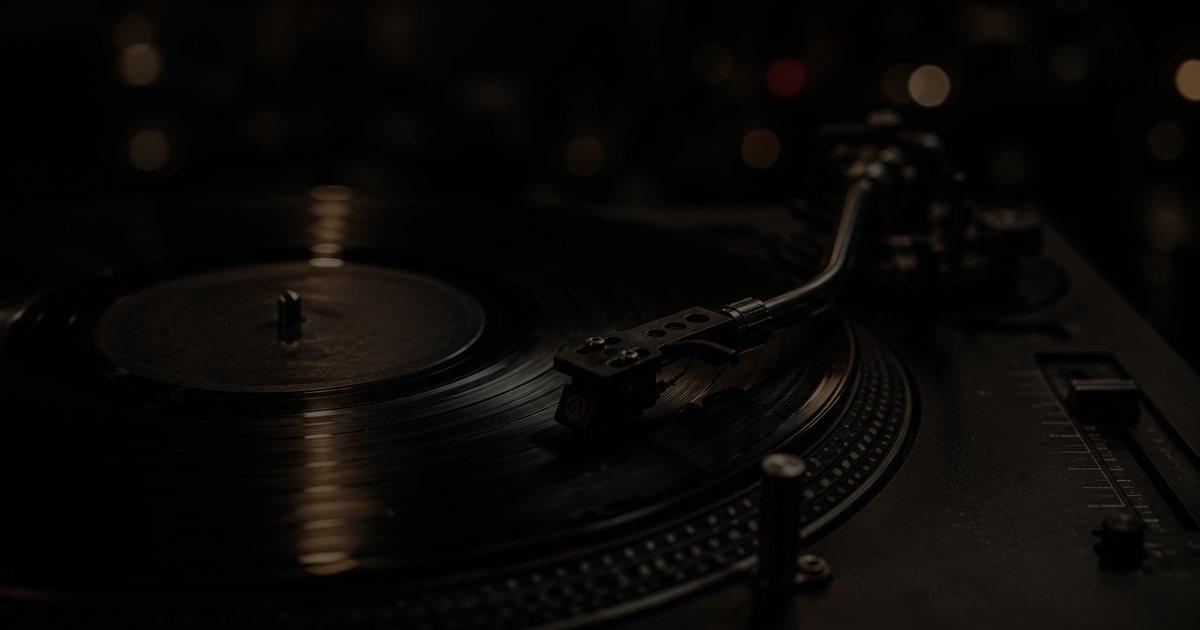
Every July my inbox and my USB sticks fill up with the same question in different words: what is the actual song of summer, and does it work on a dancefloor? Those are two very different questions. A track can own every pool party, car radio and reel in the country and still fall flat at 1 a.m. in a dark room. As a DJ who has spent years building melodic flips of familiar songs — my ABBA rework of "Lay All Your Love On Me" alone has passed 115 million streams — I judge a summer hit by one brutal standard: what happens when I drop it and watch the floor. Here is my honest, on-the-decks take on summer 2026, using only tracks I have actually checked, not what an algorithm told me was trending.
How I judge a "song of summer" from behind the decks
A radio smash and a set weapon are scored differently. From the booth I care about four things: tempo (is it close to the 120–132 BPM zone most house and big-room sets live in?), energy shape (does it have a real drop or lift, or is it a mid-tempo cruise?), vocal hook (can a crowd sing eight words back at me?), and mix-ability (clean intro, usable key, room to blend). A song can be enormous culturally and score badly on all four — that is not a knock on the song, it is just physics. So instead of ranking summer 2026 by chart position, I have split the real contenders into two piles: the ones that already work, and the ones that need real work.
The tracks that already work in a set
ANOTR ft. 54 Ultra — "Talk To You"
This is the easy one, because it was built for exactly what I do. Released 6 March 2026 on the duo's own No Art label, it is a disco-house record running at 132 BPM, and it hit number one on the WARM Global Dance Radio monitor in April, becoming one of the year's biggest dance breakouts. There is nothing to fix here — it is already a DJ tool. The value for a producer is more subtle: it is the tempo and groove template a lot of pop crossovers will get bootlegged toward this summer. If you want to understand why the poolside disco-house sound is dominating, study this record's arrangement, not its chart run.
Taylor Swift — "The Fate of Ophelia"
The lead single from The Life of a Showgirl (released 3 October 2025) has an unusual gift for a pop record: it already lives at 124 BPM in F major, which is dead-center dancefloor tempo. You barely need to pitch it to blend it into a house set. That is rare — most pop sits at 90–108 and needs a full re-lay. The hook is strong, the key is friendly, and the energy has a natural lift. Officially sanctioned remixes already exist (Loud Luxury and The Chainsmokers versions are out), which tells you two things: the demand is real, and the rights-holder is choosing who gets to touch it. More on why that matters below. If you want my full breakdown of where the drop and topline would go, I wrote it up separately in my Fate of Ophelia remix-potential piece.
Shakira & Burna Boy — "Dai Dai"
Released 15 May 2026 as the official FIFA World Cup 2026 song, this is the crossover story of the summer. It sits around 116 BPM in C# minor, blending Afrobeats, dance-pop and reggaetón, and with the tournament landing across the US, Canada and Mexico it is unavoidable from June onward — it topped the Billboard Global 200 during the tournament. From a DJ standpoint the log-drum-adjacent groove and the vocal chant make it a natural bridge into the wider Afro-house and Amapiano wave I keep programming into sets. It is the clearest example this year of African and Latin rhythms feeding straight into global dance floors — a trend I dig into in my look at the global rise of Amapiano. A patient extended edit that lets the percussion breathe before the vocal is, to my ear, the most useful thing you could build off it.
The viral songs that need real work
Not everything that trends translates. Two of the biggest 2026 moments are, honestly, hard to play as-is.
Djo — "End of Beginning"
First released back in 2022, it went viral on TikTok in 2024 and then surged all over again after the Stranger Things finale dropped on 31 December 2025 — reaching number one on the UK singles chart in early January 2026. That resurgence was fan-driven, not a soundtrack placement: the track was not actually used in the episode. Culturally it is huge again. On a dancefloor it is a problem: it is a mid-tempo indie record (analysis tools disagree, reading it near 80 BPM half-time or 160 double-time in D), with a wistful arrangement that fights against a four-on-the-floor context. That does not make it un-usable — it makes it a production project. The interesting move is a progressive-house or melodic re-harmonization that keeps the nostalgic topline and rebuilds everything under it. This is the kind of flip I love, but it is real studio hours, not a quick edit.
Lady Gaga & Bruno Mars — "Die With a Smile"
The most-streamed song of 2025 is still everywhere in 2026, but it is a slow, live-band ballad. There is genuine remix potential — a big, emotional melodic-house version writes itself — but two cautions. First, it needs a complete tempo rebuild, not a beat under the original. Second, and more important, the rights environment around a Gaga/Bruno record is about as strict as it gets. Which brings me to the part most "summer remix" content skips.
Remix potential vs. the legal reality
I want to be precise, because this is where a lot of aspiring producers get hurt. Everything above is analysis of remix potential — how I would approach the music creatively. None of it means a remix exists, and none of it means you are free to release one. A commercial song's master and composition are owned, usually by a label and one or more publishers. An official remix (like the sanctioned Ophelia versions) exists because someone signed a deal. A bedroom edit you upload without clearance is, legally, a different thing entirely, and major rights-holders — Swift's camp among the strictest — do enforce.
The honest framework: making an edit for your own crates and playing it in a club is a common gray area many DJs live in, but distributing or monetizing an unlicensed remix is copyright infringement, full stop. If you want to put a remix on streaming, you need a license, or you build on a track whose rights-holder runs an open remix or stems program. Treat the creative idea and the clearance as two separate jobs, and never assume enthusiasm equals permission.
Where AI vocals fit — and where they don't
The other thing flooding producer forums this summer is AI vocals and voice cloning. I try to stay neutral here, because the tools genuinely are useful and genuinely are being misused. Used well, AI vocal synthesis and stem-separation can help you sketch a topline, clean an a cappella, or generate an original vocal you own outright — that is fair game. Used badly, it means cloning a named artist's voice to fake a "remix," which is a consent and likeness problem on top of the copyright one, and it is exactly the kind of thing that gets tracks pulled and accounts banned. The legal backdrop is tightening, too: in the US, the NO FAKES Act — aimed at unauthorized AI replicas of a person's voice and likeness — advanced out of the Senate Judiciary Committee in June 2026, and state laws like Tennessee's ELVIS Act already treat an artist's voice as protected. Cloning a real singer's voice without permission is not a shortcut I would ever put my name on. If you are weighing these tools, I went deeper into the ethics and the current legal debate in my piece on AI vocals and voice cloning in 2026. Short version: generate, don't impersonate.
My shortlist for the summer
If you handed me a two-hour slot tomorrow, three of these tracks are already in the bag: "Talk To You" plays itself, "The Fate of Ophelia" blends in almost untouched at 124, and "Dai Dai" is the crossover moment I would build the peak around while the World Cup owns every screen. "End of Beginning" and "Die With a Smile" I keep as studio projects, not set-openers — big ideas that need real work and real clearance before they leave my laptop. That is the difference between the song of the summer and the record that works on the floor, and knowing which is which is most of the job. You can hear how I approach these flips on Spotify, and I break down works-in-progress on Instagram.
Frequently Asked Questions
What is the actual song of summer 2026?
There is no single answer — it depends whether you mean charts or dancefloors. On the dance side, Shakira and Burna Boy's official World Cup song "Dai Dai" and ANOTR's "Talk To You" are the tracks that actually move floors, while Taylor Swift's "The Fate of Ophelia" is the biggest pop crossover of the season. Which one counts as the song of summer depends entirely on where you are standing.
Which summer 2026 songs work best in a DJ set?
The most set-ready are ANOTR ft. 54 Ultra's "Talk To You" (a 132 BPM disco-house record built for DJs), Taylor Swift's "The Fate of Ophelia" (already at a danceable 124 BPM in F major), and "Dai Dai" by Shakira and Burna Boy (around 116 BPM in C# minor, a natural bridge into Afro-house).
Can I release a remix of a viral 2026 song legally?
Not automatically. A commercial song's master and composition are owned by labels and publishers, so distributing or monetizing an unlicensed remix is copyright infringement. You need a license, or you build on a track whose rights-holder runs an official remix or stems program. Making a private club edit is a common gray area, but releasing one is not.
Is it okay to use AI vocals in a remix?
It depends on how. Generating an original vocal you own, or using AI to clean and separate stems you have the right to, is fair game. Cloning a named artist's voice without consent is a likeness and consent problem on top of copyright, it routinely gets tracks removed, and laws such as Tennessee's ELVIS Act now protect an artist's voice. The safe rule is to generate, not impersonate.
Why doesn't a huge viral song always work on the dancefloor?
Because radio hits and set weapons are scored differently. A DJ needs a workable tempo (often 120–132 BPM), a real energy lift, a singable hook, and clean mix points. Songs like Djo's "End of Beginning" or the Gaga/Bruno Mars ballad "Die With a Smile" are culturally massive but mid-tempo or slow, so they need a full production rebuild before they play in a club.
Read next
DJ & Production
Dai Dai by Shakira & Burna Boy: A DJ's Remix Guide (BPM, Key & Legal Reality)
Business
Official Remix Fees: What Labels Pay and What You Keep
Culture
The Remixes That Beat the Original
Guide
Organic House Explained: Sound, Labels and DJ Craft
Business
Ghost Production in EDM, Explained: Deals and Credit
Production