Post-Festival Blues and Festival Flu: Why You Feel Wrecked
Why you feel low and get sick after a festival: post-festival blues, festival flu, ringing ears and the midweek comedown, and how to recover faster.
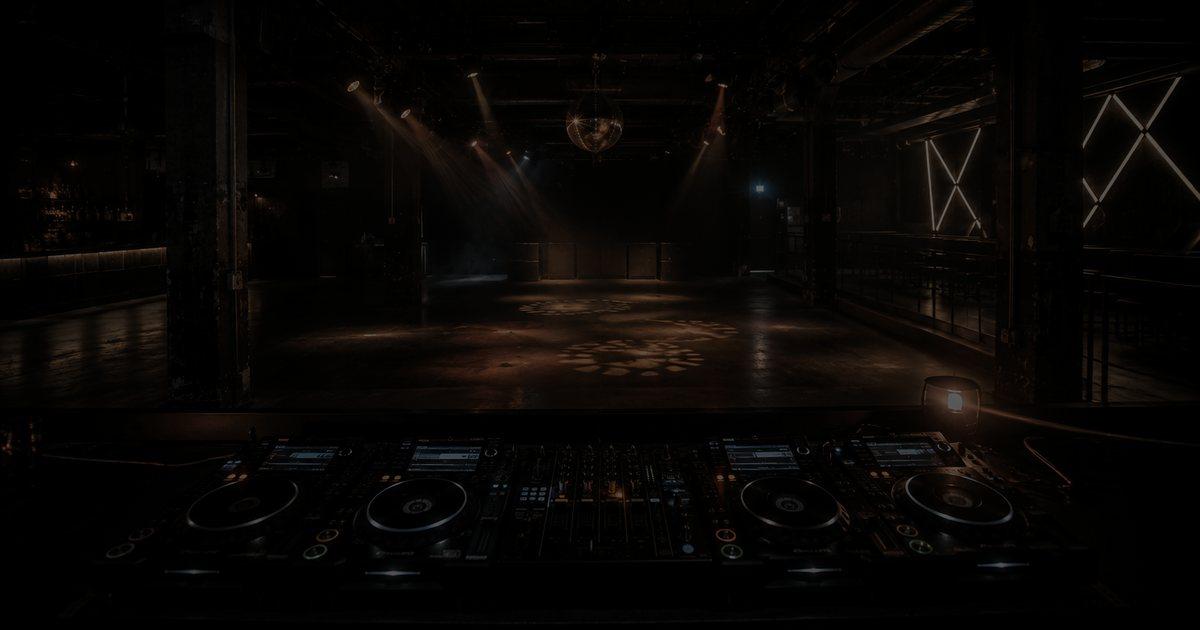
The music stopped on Sunday night. It is now Wednesday, and something is off. Your throat is scratchy, your sleep still feels wrong, your ears hum faintly when the room goes quiet, and a flat, grey mood has settled in that seems out of all proportion to having simply gone back to work. If that sounds familiar, you are dealing with the two companions almost every festival-goer meets sooner or later: the post-festival blues and the so-called festival flu. Neither is a medical diagnosis, both have ordinary explanations, and both are easier to handle once you know what is going on.
What are the post-festival blues?
The post-festival blues are the low mood that often follows a multi-day event: sadness, restlessness, irritability, a sense that normal life has gone colourless. Similar dips follow holidays, weddings and big tours. It is a reaction to contrast, not a sign that something is wrong with you.
A festival is an unusual environment. For three or four days you live outdoors with thousands who share one purpose, nobody asks what you do for a living, strangers talk to you, and the soundtrack never really ends. Then the wristband comes off and you are back in a world of inboxes, commutes and people who were not there. The bigger the gap between the two, the harder the landing tends to be.
Why do I feel so sad after a festival?
Several things usually stack on top of each other, and it helps to separate them, because each has a different fix.
- Sleep debt. Four nights of broken sleep in a tent next to a sound system leaves most people seriously short. Sleep loss alone makes moods swing and everything feel heavier than it is.
- Physical depletion. Long days on your feet, irregular meals, too little water, sun or rain, and for many people a lot of alcohol. Your body spends the following days repairing, and that costs energy you would normally have for feeling fine.
- Losing the community. For many people the music is only half of it. The other half is the temporary society around it: the campsite neighbours, the friends you lost and found again, the shared moment when a track drops. Rave culture has a name for this ideal, the PLUR code of peace, love, unity and respect, and walking out of it into ordinary life is a genuine social loss, even if it only lasted a weekend.
- The highlight reel. In the days after, your feed fills with aftermovies, crowd shots and other people's best moments. Each one reminds you that it is over.
If anything, the size of the dip often reflects how much the weekend meant.
What is festival flu, and why do you get sick after a festival?
Festival flu is the informal name for the cold-like illness that hits so many people in the days after an event: sore throat, cough, blocked or runny nose, fatigue. It is usually not influenza at all but an ordinary upper respiratory infection, and the reasons it is so common are not mysterious.
First, exposure. You spend days in dense crowds, share portable toilets, handle cups, cans and grab-rails touched by thousands of others, and shout into people's faces to be heard over the music. That is an ideal environment for passing viruses around.
Second, a weakened defence. Sleep matters here more than most people realise. In a well-known 2015 study published in the journal Sleep, researchers at UC San Francisco, Carnegie Mellon and the University of Pittsburgh measured how long volunteers slept and then exposed them to a cold virus. Those who had been sleeping less than six hours a night were about four times more likely to develop a cold than those who slept more than seven. A festival weekend puts most people firmly in the first group.
Third, the site itself. Dust, smoke, mud and damp all irritate the airways. A cough on day two can be dust rather than infection.
Gastro bugs are the other risk. Norovirus outbreaks have been reported at festivals in several countries, usually linked to contaminated water, food handling or overwhelmed sanitation. Washing your hands before eating does more than any supplement.
Why do my ears still ring after a festival?
A ringing, hissing or muffled feeling after a loud weekend is a warning sign that your ears have been pushed beyond what they can take without strain. In many cases it fades within hours or a day or two as the ear recovers. But repeated exposure adds up, and damage to hearing does not grow back. If the ringing or dullness has not cleared after a couple of days, or if it comes with pain or sudden hearing loss in one ear, see a doctor rather than waiting it out. Next time, wear filtered earplugs from the first set, not from the moment it starts to hurt, and take breaks away from the stacks.
The comedown: alcohol, drugs and the midweek low
It would be dishonest to write about post-festival mood without mentioning substances, because for a lot of people they are part of the picture. Heavy drinking disrupts sleep quality even when you do sleep, and a days-long session leaves a hangover that is as much emotional as physical.
MDMA deserves a specific mention, because researchers have documented its after-effect for decades. A small 1997 study by Valerie Curran and R. A. Travill at University College London, published in the journal Addiction, found that ecstasy users rated their mood higher on the night they took it but significantly lower by midweek, with some scoring within the range for clinical depression at that point. Ravers have a blunter name for the same pattern: the midweek or Tuesday blues. If your festival low is sharper than usual and peaks a few days after, this is a likely contributor. It usually lifts, but it is also a good reason to space things out, rather than chaining one event after another. First-timers at a hard techno festival or any long weekender are often surprised how much of the following week this shapes.
How long do post-festival blues last, and how do you recover?
For most people the worst of it lasts a few days, and by the end of the week sleep, appetite and mood are back to normal. Colds picked up on site typically run their course in about a week. A few things reliably shorten the landing:
- Plan the day after. If you can, take Monday off. Going from the campsite straight to a desk is the hardest version of the transition.
- Sleep first, analyse later. Two proper nights do more for your mood than any amount of reflection. Many of the dark thoughts on Tuesday are simply tiredness.
- Eat and drink like you mean it. Real meals, plenty of water, and a break from alcohol for a few days.
- Keep the good part. Make a playlist of the tracks you heard, write down the moments you want to remember, message the people you met. If you went to the festival alone and found a crew there, those are the connections worth keeping alive.
- Give the week a highlight. A club night, a dinner with friends from the weekend, or tickets for the next event give the dip somewhere to go.
When is it more than the blues?
A few low days after a big weekend are normal. A low mood that does not lift after two weeks, that gets worse instead of better, or that comes with thoughts of hurting yourself is not something to ride out alone. Talk to a doctor or a mental health service, and tell them honestly what you took and drank, because it changes what they look for. The same applies physically: a high fever, shortness of breath, or vomiting and diarrhoea that last more than a couple of days are reasons to get checked, not to wait.
The landing is part of the trip
Festivals work because they are different from ordinary life, and that difference is exactly what makes coming back hard. The blues are the price of having been somewhere that felt like something. Plan the return as carefully as the journey there, and keep what was good: the music, the people, the feeling that a field of strangers can be a community for a few days.
Frequently Asked Questions
Is festival flu actually the flu?
Usually not. Festival flu is an informal term for the cold-like illness many people catch after an event: sore throat, cough, runny nose and fatigue. It is typically an ordinary upper respiratory infection, helped along by crowds, shared surfaces, dust and too little sleep.
How long do post-festival blues last?
For most people the worst of it passes within a few days to a week, as sleep and routine recover. If a low mood has not lifted after about two weeks or keeps getting worse, talk to a doctor or a mental health service.
Why do I feel worse on Tuesday or Wednesday than on Monday?
Sleep debt does not clear in one night, so tiredness often feels worst a day or two after the event. If MDMA was involved, research has documented a mood dip around midweek, which ravers call the Tuesday blues. Alcohol also makes the sleep you do get less restful.
Should I go to work the day after a festival?
If you can avoid it, don't. A buffer day for sleeping, eating properly and unpacking makes the transition back to normal life noticeably easier and lowers the chance of the low mood hitting hard.
How can I avoid getting sick at a festival?
Protect your sleep as much as you can, drink plenty of water, eat real meals, wash or sanitise your hands before eating, avoid sharing cups and bottles, and cover your mouth and nose with a bandana or mask on dusty sites.
Read next
Guide
No Phone Signal at Festivals: Why, and How to Find Friends
Guide
Going to a Festival Alone: How to Plan It and Enjoy It
Guide
Your First Hard Techno Festival: What to Expect, What to Wear
Guide
Festival Set Times Explained: When to Be at Which Stage
Culture
Rap at Techno Festivals: Why Hip-Hop and Rave Now Share Bills
Culture