Your First Hard Techno Festival: What to Expect, What to Wear
Going to your first hard techno festival or rave? What the tempo does to your body, what people wear, when the big sets happen and how to last the night.
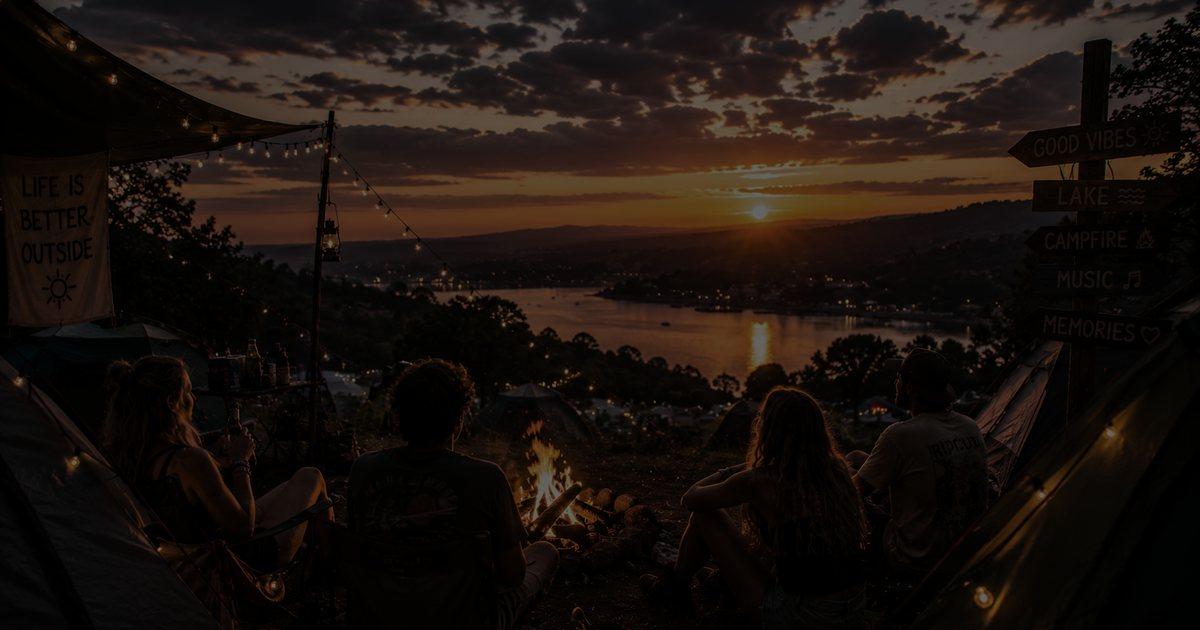
You can hear a hard techno stage before you see it. From two fields away it is a single thud, far faster than anything coming from the house tent next door, and when you get closer the thud turns into a wall: distorted kicks, sirens, a crowd in black moving in one direction at 150 beats per minute. For a lot of first-timers, that moment is either a revelation or a shock. This guide is here to make it the first one.
The timing is not an accident. Hard techno is no longer a sideroom sound. In late September 2026, three of the twenty highest positions in Beatport's Hard Techno chart belonged to KUKO, a DJ and producer from Cologne who plays as a resident for the event series Unreal and releases on labels such as KRACH. Producers like him come straight out of the event circuit and write for it, and that is the circuit most newcomers now walk into. Here is what actually awaits you there.
What does hard techno sound like at a festival?
On record, hard techno is a distorted, tuned kick drum with a long rumble tail, very little harmony and short loops that mutate rather than develop. If you want the full background on where it came from, our explainer on why techno got so fast covers the history. On a festival system, the sound changes character: the kick stops being something you hear and becomes something you feel in your chest, and the rumble fills the gaps that a quieter track would leave.
What surprises first-timers most is how melodic a lot of current hard techno is. Many of today's popular tracks pair the brutal low end with a vocal hook, a trance-style lead or a sample from a pop song everybody knows. KUKO's own sound mixes industrial and Schranz influences with melancholic, emotional synth lines. That is a big part of why the style crossed over: it is aggressive enough to feel like an event and catchy enough to sing along to.
How fast is hard techno, and can you dance to it?
Most festival sets sit roughly between the high 140s and the low 160s BPM, and some DJs push beyond that towards the end of the night. Classic techno usually runs somewhere between 125 and 135. That difference sounds small on paper and feels enormous on your legs.
The good news: nobody expects choreography. The dominant move is a steady, head-down stomp that locks onto the kick, with the whole crowd moving in near unison. Plenty of people dance on every second beat, which halves the tempo their body actually has to follow. If you try to match every single kick for three hours, you will be finished by midnight. Find the half-time pulse, keep your knees soft and let the room carry you.
What do people wear to a hard techno rave?
The scene's visual language is black, functional and slightly industrial: black tops or mesh, cargo trousers or shorts, sturdy boots or trainers, a harness or a chain for those who want it. It is closer to a Berlin club than to the neon and glitter of a mainstage EDM festival, and you will notice the difference the moment you walk from one stage to the other.
What matters more than the look:
- Shoes you have already worn. You will stand and stomp on grass, gravel or concrete for hours. New boots are the fastest way to end a night early.
- Breathable layers. Tents and hangars get hot at this tempo, the walk back to the campsite at 5am does not. A thin jacket you can tie round your waist solves both.
- A small bag worn on the front. A crossbody or bum bag keeps phone, cash and earplugs within reach in a packed crowd.
- Nothing that dangles or clanks. Loose jewellery and big accessories get caught in a crowd that moves this much.
Festivals rarely enforce a dress code, so do not stress about it. Dress in black if you want to blend in; dress however you like if you do not. Nobody on a good hard techno floor is checking.
When do the big hard techno sets happen?
Hard techno needs darkness, volume and a crowd that is already warmed up, so promoters tend to put it in the late slots, from around midnight into the early hours. At multi-genre festivals the hard techno stage often starts slowly in the afternoon with local and upcoming DJs, builds through the evening and peaks long after the mainstage has closed. The logic behind this is the same as elsewhere on the site plan, and how festival set times work applies here too: the biggest names rarely play when the gates open.
Plan your energy around that. If the act you came for plays at 2am, a nap, a real meal and water in the early evening matter more than catching the first DJ on the timetable.
Which festivals are built around hard techno?
There are two kinds of hard techno festival experience, and they feel quite different.
The dedicated event. Brands that grew out of club nights and now run large one- or two-day events, where every stage plays some shade of hard, fast techno. The Netherlands is the heartland here: Verknipt has become almost synonymous with the sound, and DJ Mag described its Amsterdam ArenA edition as the world's largest hard techno rave, while Rotterdam Rave has been running techno events in its city since 2012. Expect a crowd that knows the tracks, a very uniform look and very little downtime between peaks.
The stage within a bigger festival. Many multi-genre festivals now give hard techno its own area, often programmed by a specialist promoter. At the 2026 edition of Nibirii at the Dürener Badesee in Germany, for example, one of five stages ran as the Unreal Stage, dedicated to hard techno. This format is the gentler introduction: you can dip in, retreat to another genre when your legs protest and come back for the peak. Our guide to the different types of EDM festivals explains how the formats differ in price, crowd and pace.
How do you survive a night at 150 BPM?
A hard techno night is closer to a long run than a party. A few habits make the difference:
- Protect your ears. Distorted kicks carry a lot of energy, and hard techno stages are rarely quiet. Filtered musician earplugs take the volume down evenly, so the mix stays clear and you can wear them all night.
- Drink water on a schedule. Not only when you feel thirsty. A refillable bottle and a fixed rhythm, say one visit to the water point per hour, keeps you going.
- Take breaks outside the crowd. Ten minutes of fresh air every hour or so resets both your body and your ears.
- Stand where it suits you. The front is the most physical part of the floor. The sides and the back have better air, more space and often a more balanced sound.
- Look out for the people around you. Hard techno crowds are intense but generally friendly. If someone looks overheated or lost, tell security or the awareness team.
One more thing about etiquette: filming the whole drop on your phone blocks the view for everyone behind you, and some clubs and events ask guests to keep phones away or cover their camera lenses. The reasons are the same ones behind why clubs ban phones. Film ten seconds if you must, then put it away.
Bottom line
A first hard techno festival is less about knowing the tracks than about pacing yourself. Wear shoes you trust, bring earplugs, save your energy for the late slots and dance to the half-time pulse instead of fighting every kick. Do that, and the wall of sound that seemed so forbidding from across the field turns into what the people inside it came for: a few hours in which a thousand strangers move to the same beat.
Frequently Asked Questions
Is hard techno too intense for a first-timer?
Usually not, as long as you treat it as endurance rather than a sprint. The tempo is high, but the dance itself is simple: a steady stomp on the kick. Start near the back or the sides, take regular breaks outside the tent and move forward once you have found your rhythm.
Do I have to wear black to a hard techno rave?
No. Black, functional clothing is the common look, and it will help you blend in, but festivals rarely enforce a dress code. Comfortable, broken-in shoes and something breathable matter far more than the colour of your outfit.
How fast is hard techno at festivals?
Most festival sets sit roughly between the high 140s and the low 160s BPM, and some DJs push faster towards the end of the night. For comparison, classic techno usually runs somewhere between 125 and 135 BPM.
Do I need earplugs at a hard techno festival?
Yes. Distorted kicks carry a lot of energy in the low end and the upper mids, and hard techno stages are rarely quiet. Filtered musician earplugs lower the volume without muffling the music, so you can wear them all night and still hear the mix clearly.
What time do hard techno sets usually happen?
Hard techno tends to get the late slots, from around midnight into the early morning, because the sound works best in darkness with a crowd that is already warmed up. Check the timetable for when the headliners actually play rather than when the gates open.
Read next
Culture
Types of EDM Festivals: A Guide to Every Format
Guide
Going to a Festival Alone: How to Plan It and Enjoy It
Culture
Techno in America: Why the US Scene Is Booming Again
Scene
Hardgroove Techno Explained: Groove Over Brute Force
Culture
Hard Techno Explained: Why Techno Got So Fast
Guide