Ibiza Clubbing Guide: Clubs, Sound & Seasons
A DJ's guide to Ibiza clubbing: the island's legendary superclubs, the Balearic sound, opening and closing parties, and how to actually plan a night out.
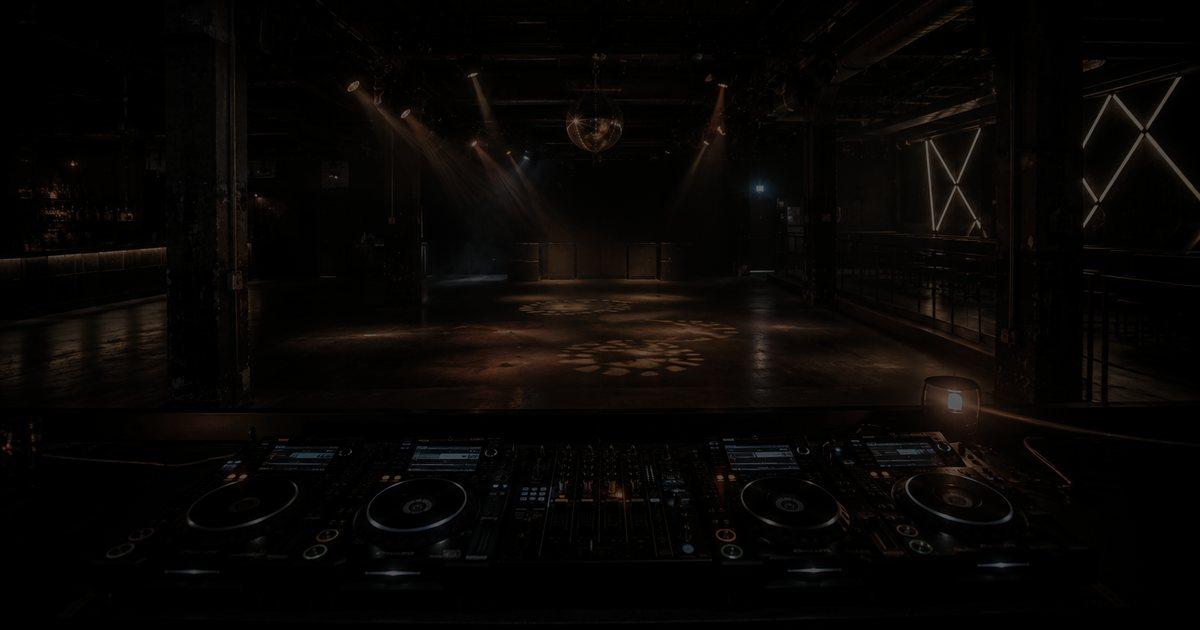
Ibiza is the one island where a summer's worth of parties can quietly rewrite what the rest of the world dances to next year. For more than three decades this small Balearic rock off the Spanish coast has functioned as the unofficial testing ground for electronic music: a place where residencies are earned, where sounds are trialled in front of the most demanding dancefloors on earth, and where a single closing party can seal a track's legacy. This guide breaks down how Ibiza clubbing actually works, from the venues and the seasons to the etiquette that separates a good night from an expensive one.
Why Ibiza Became the Capital of Dance Music
The island's story starts long before the superclubs. In the 1970s and 80s Ibiza drew a bohemian crowd of travellers, artists and free spirits who prized openness over exclusivity. That mix produced the „Balearic“ sound: a loose, genre-agnostic style built on whatever felt right at sunset, from reggae and Italo-disco to early house imports. When a handful of British DJs visited in 1987 and carried that spirit back to London, it helped ignite the UK's acid house explosion and the wider rave movement.
Ibiza has never lost that role as a cultural amplifier. What is played on its terraces in June often defines radio and festival sets by autumn. The island rewards risk: DJs test unreleased edits here first, labels launch showcases here, and the crowd's reaction becomes a form of A&R. That feedback loop, more than the beaches or the hotels, is why the island still matters to working artists.
The Legendary Venues
Ibiza's clubs are not interchangeable. Each has a personality, a resident roster and a sound that regulars can identify blindfolded.
- Pacha – the island's grande dame, open since 1973, known for its cherry logo, elegant crowd and house-leaning programming in the heart of Ibiza Town.
- Amnésia – famous for its cavernous main room, its ice-cannon foam parties and a harder, more relentless energy that runs deep into the morning.
- Hi Ibiza – a modern superclub in Playa d'en Bossa with a state-of-the-art sound system and some of the biggest weekly residencies on the island.
- DC-10 – the raw, no-frills spiritual home of the island's underground, where minimal and tech-driven sounds thrive and the phones tend to stay in pockets.
- Ushuaïa – an open-air, daytime-into-dusk destination where big-room and mainstage acts play to a poolside crowd under the sun.
Beyond the superclubs sit the sunset institutions of the west coast, where the island's melodic, emotional side is at its purest as the sun drops into the sea. For a melodic-house artist, those golden-hour moments are the reference point for the whole aesthetic – the same euphoric-but-restrained feeling that runs through the best melodic house tracks and the sound Maxim Schunk works in.
Reading the Season: Opening, Peak and Closing
Ibiza's club calendar is not one long blur. It has a distinct arc, and knowing where you are in it changes the entire experience.
Opening parties (late May to June)
The season kicks off with opening parties that set out each venue's residencies and musical direction for the summer. Crowds are smaller, prices are gentler, and the atmosphere leans toward locals and industry rather than package tourists. It is the connoisseur's window.
Peak season (July and August)
The height of summer brings the biggest names, the fullest rooms and the highest prices. Headline residencies run at full tilt, tickets sell out, and the island operates at maximum intensity. Book ahead or expect to pay a premium at the door.
Closing parties (late September to early October)
The closing parties are, for many regulars, the emotional summit of the year. There is a bittersweet, everyone-in-it-together energy as the clubs say goodbye until next spring, and DJs often save their most personal sets for these nights.
Playing Ibiza: What a Residency Really Means
For a DJ, an Ibiza booking is a genuine career marker – but the island is also one of the most demanding places to perform. Sets can start well after 2am, the crowd is international and musically literate, and the sound systems expose every weakness in a mix. Track selection has to breathe across long sets rather than chase a constant peak, and reading the room is a survival skill as much as an art. The same instincts that carry a set here translate anywhere, which is why reading a crowd is the single most transferable skill a touring DJ can build.
Ibiza also sits inside a wider circuit. The industry that gathers on the island in summer reconvenes each October in the Netherlands for Amsterdam Dance Event, and many of the tracks broken on Ibiza's terraces go on to headline festival mainstages like Tomorrowland the following season. The island is a launchpad, not a bubble.
How to Plan a Night Out Without Getting Burned
Ibiza can be extraordinary or extortionate depending on how you approach it. A few practical rules from people who do this for a living:
- Buy tickets in advance. Door prices are steep and many peak nights sell out. Pre-sale almost always beats walk-up.
- Pace the clock. Clubs fill up around 1–2am and peak much later. Arriving too early means paying full price for a half-empty room.
- Budget for drinks. On-island bar prices are famously high. Factor them in so the night doesn't derail your week.
- Chase the sunset first. Start on the west coast for the Balearic sunset, then move to a club. It is the most authentic sequence the island offers.
- Match the venue to the sound. Research residencies before you go. A big-room poolside party and an underground basement are entirely different nights – pick the one you actually want.
If you are treating Ibiza as part of a bigger summer of dancing, it pays to think about the whole run of events and travel the way you would plan any festival trip – the same logic in our EDM festival survival guide applies to a week on the island.
The Bottom Line
Ibiza endures because it is both a party and a proving ground. It rewards curiosity, punishes complacency, and every summer manages to reset the conversation about where dance music is heading. Whether you go as a dancer chasing a sunset or a DJ chasing a residency, the island asks the same thing of everyone: show up open, and let the music decide. To hear the melodic, euphoric side of that sound, explore Maxim Schunk on Spotify.
Frequently Asked Questions
When is the Ibiza clubbing season?
The season generally runs from late May to early October. Opening parties happen in late May and June, the peak is July and August, and the emotional closing parties take place from late September into early October.
Which Ibiza club should a first-timer choose?
It depends on the sound you want. Pacha suits a classic, house-leaning night, Hi Ibiza and Ushuaïa deliver big-room spectacle, and DC-10 is the place for a raw, underground experience. Always check the resident and guest line-up before booking.
Is Ibiza expensive for clubbing?
Yes, particularly in July and August. Entry can be pricey and on-island drink prices are high. Buying tickets in advance, arriving at the right hour and setting a drinks budget make a big difference to the final cost.
Why is Ibiza so important to electronic music?
Since the 1980s the island's open, genre-blending Balearic sound has shaped global club culture. DJs test new tracks there first, and the reaction on Ibiza's dancefloors often previews what dominates festivals and radio the following year.
What time do clubs in Ibiza open and peak?
Most clubs open in the late evening but only fill up around 1 to 2am, with the peak hours running deep into the early morning. Arriving too early usually means paying full price for a near-empty venue.
Read next
Scene
Is Progressive House Back? Why Techno DJs Are Crossing Over
Scene
Jersey Club Explained: Newark's Sound, BPM and History
Scene
Gabber Explained: Rotterdam's Hardcore Subculture
Scene
The Track Robert Miles Wrote to Get Ravers Home Alive
Scene
Hardgroove Techno Explained: Groove Over Brute Force
Scene