Ten Records That Built Drum and Bass, 1992–2005
From Goldie's time-stretched breaks to Pendulum's arena sound: the ten drum and bass records that shaped the genre, and what each one changed for good.
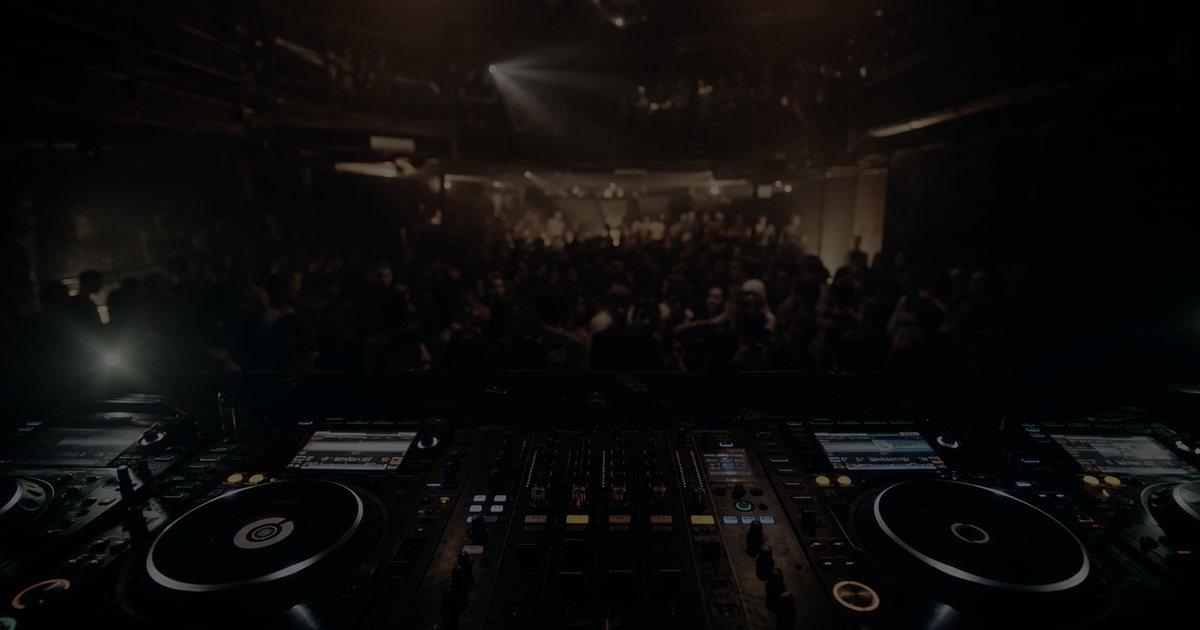
In 1992, a former graffiti artist called Goldie and two collaborators released a record on which the breakbeats sounded warped, metallic and bent out of shape. To anyone outside a handful of record shops it sounded like a fault. To the people buying white labels at the time, it sounded like the future. Drum and bass never had one founding record, one city block or one inventor. It was built in public, one twelve-inch at a time, by producers answering each other across a scene that moved faster than anyone could write it down. These are the ten records that, in my view, did the most building. Each one added something the genre still uses, and each one is here for what it changed, not for how many copies it sold.
1. Metalheads – "Terminator" (1992)
"Terminator", made by Goldie with Mark Rutherford and DJ Freebase and released in 1992 under the name Metalheads on Synthetic Records, is where this list has to start. Its breakbeats were pitch-shifted until they took on a metallic, warped quality no drummer could play, and it is the record most often credited with bringing the time-stretched sound into jungle. It also leaned into a darker, more cinematic mood that pointed straight at the darkside phase of 1993. Its real legacy is a mindset. From here on, the break was no longer a loop to be borrowed. It was raw material to be bent.
2. LTJ Bukem – "Music" (1993)
While hardcore was getting faster and harsher, LTJ Bukem released "Music" on his own Good Looking Records and went the other way: soft pads, jazz chords, space between the hits. Alongside "Atlantis", it showed that the same breakbeat engine could carry something reflective and soulful. Bukem's later Logical Progression compilations gave that idea a scene of its own, often filed as "intelligent" or atmospheric drum and bass. Every liquid roller and every deep, minimal 170 BPM record released since owes something to this opening of the door.
3. UK Apachi with Shy FX – "Original Nuttah" (1994)
If "Music" was the genre's head, "Original Nuttah" was its swagger. Released on Sound of Underground Records, it fused rolling breaks and a heavy bassline with UK Apachi's ragga vocal, and it reached No. 39 on the UK Singles Chart in October 1994. That mattered. A jungle record built for pirate radio and dances, with no concession to the pop market, had broken into the national chart on its own terms. It is also the clearest snapshot of how deeply Jamaican sound-system culture runs through the music. Records like this were broken on pirate radio long before any chart, as our piece on the pirate stations that built UK dance music shows.
4. Goldie – "Inner City Life" (1994)
Two years after "Terminator", Goldie came back with something nobody expected from a jungle producer: a song. Written with Rob Playford and sung by Diane Charlemagne, "Inner City Life" laid a soaring, soul-trained vocal and orchestral strings over restless breaks. Released on FFRR in November 1994, it reached No. 49 in the UK and climbed to No. 39 when it was reissued a year later, but its real impact came with the album "Timeless" in 1995. Here was proof that drum and bass could sustain an album, an emotional arc and a place on a major label without losing its edge. Many people's first encounter with the genre started with this vocal.
5. DJ Zinc – "Super Sharp Shooter" (1995)
DJ Zinc's "Super Sharp Shooter", first pressed on Ganja Records in 1995 and taken to a wider audience as the title track of DJ Hype presents The Ganja Kru's 1996 EP, is the blueprint for jump-up. It borrows hip-hop's swagger and strips the arrangement back to a punchy break and a bassline built to make a room move in one direction at once. It is not subtle, and that is the point. "Super Sharp Shooter" proved that drum and bass could be pure, uncomplicated party music, and the jump-up wing that still fills UK raves today follows the same logic: hook first, bass second, everything else optional.
6. Adam F – "Circles" (charted 1997)
"Circles" is the genre's great slow burn. Built on warm, jazzy keys and a light, almost floating groove, it circulated among DJs before its 1997 re-release on Positiva took it to No. 20 in the UK Singles Chart, a peak matched on this list only by "Brown Paper Bag". More importantly, it showed that a gentle, musical drum and bass record could be a crowd moment rather than a breather. When the liquid sound emerged a few years later, "Circles" was the record people pointed to as its ancestor.
7. Roni Size & Reprazent – "Brown Paper Bag" (1997)
The Bristol collective took drum and bass somewhere new: live double bass, a band on stage, and an album, "New Forms", that won the 1997 Mercury Music Prize against Radiohead, The Prodigy and The Chemical Brothers. "Brown Paper Bag", built around that walking upright-bass line, is the album's calling card. The Mercury win changed how the British press and industry treated the genre. Drum and bass was no longer only a rave phenomenon; it was serious music that could beat the most celebrated rock records of the year.
8. Ed Rush & Optical – "Wormhole" (1998)
Released on their own Virus Recordings in November 1998, "Wormhole" is widely described as the first neurofunk album. Ed Rush & Optical took the cold, militant energy of techstep and gave it funk: tight, precise drums, heavily processed reese basslines and a sense of claustrophobic detail that rewarded headphone listening as much as a sound system. The entire neurofunk tradition, with its obsession over bass design and studio precision, can be traced back to this album. It is the record that turned drum and bass production into a technical arms race.
9. Fabio presents "Liquid Funk" (2000)
Sometimes a compilation names a genre. Fabio, one of the DJs who had been there since the early raves, had spent the late 1990s championing a softer, more musical sound with Sarah Sandy, and in 2000 their Creative Source label released a compilation called "Liquid Funk". The title stuck. Built on vocals, warm chords and influences from soul, funk and house, liquid was slow to catch on, then grew into one of the biggest-selling sides of the genre by the middle of the decade. Today it is the version most likely to reach listeners who would never call themselves ravers.
10. Pendulum – "Hold Your Colour" (2005)
Pendulum arrived in the UK from Perth, Australia, and their debut album on Breakbeat Kaos, released in July 2005, showed that drum and bass could be built for big stages and for listeners from outside the scene. It mixed rolling drum and bass with anthemic vocals, guest guitars and brass and an arena-sized production sense. Its sales built slowly, peaking at No. 29 in the UK in 2008, and the band's later move towards rock pointed the genre at the festival main stage it now occupies. Purists argued about it at the time. Few would now deny it changed who drum and bass was for.
What these ten records have in common
Look at the list as a whole and a pattern appears. Almost every entry took something from outside: soul vocals, jazz chords, ragga, hip-hop, live bass, rock guitars. Drum and bass has always been less a fixed sound than a method, a fast breakbeat and a heavy bassline that can absorb almost any other music and still sound like itself. That is why it has survived thirty years of predictions of its decline. Many of these records first spread on dubplates, white labels and rave tape packs long before anyone wrote them into a history, and the tradition of unmarked, unofficial vinyl shaped the scene as much as any chart. If you want the technical side of how the genre works, the breaks, subgenres and mixing at 170 BPM, our drum and bass guide is the place to start. If you want to hear the history, start with "Terminator" and listen forward.
Frequently Asked Questions
What was the first drum and bass record?
There is no single first record. Drum and bass grew out of the UK breakbeat hardcore and jungle scene of the early 1990s, with producers building on each other's ideas. "Terminator" (1992), released by Goldie with Mark Rutherford and DJ Freebase under the name Metalheads, is often cited as a key turning point because of its radically warped, pitch-shifted breakbeats.
What is the most famous drum and bass song?
Contenders include Goldie's "Inner City Life", Adam F's "Circles" and Roni Size & Reprazent's "Brown Paper Bag". "Circles" and "Brown Paper Bag" both reached No. 20 in the UK singles chart in 1997, while Reprazent's album "New Forms" won the 1997 Mercury Music Prize.
Which album started neurofunk?
Ed Rush & Optical's debut album "Wormhole", released on their Virus Recordings label in November 1998, is widely described as the first neurofunk album. It took the dark energy of techstep and added funk, precise drums and heavily processed basslines.
Where does the term liquid funk come from?
The name comes from "Liquid Funk", a compilation released in 2000 by Fabio and Sarah Sandy's label Creative Source. The softer, vocal-led, soul-influenced sound grew slowly before becoming one of the most popular sides of drum and bass in the mid-2000s.
Read next
Guide
Drum and Bass Guide: The Fastest Sound in EDM
Culture
The Night Drum and Bass Beat OK Computer
Culture
The Pirate Stations That Built UK Dance Music
Culture
The Tape Packs That Carried Rave Across Britain
Culture
Rap at Techno Festivals: Why Hip-Hop and Rave Now Share Bills
Culture