Minimal Tech House: The Sound Taking Over Clubs in 2026
Minimal tech house is the fastest-rising club sound of 2026 — stripped-back, hypnotic and built for dark rooms. Here's what it is and why it's winning.
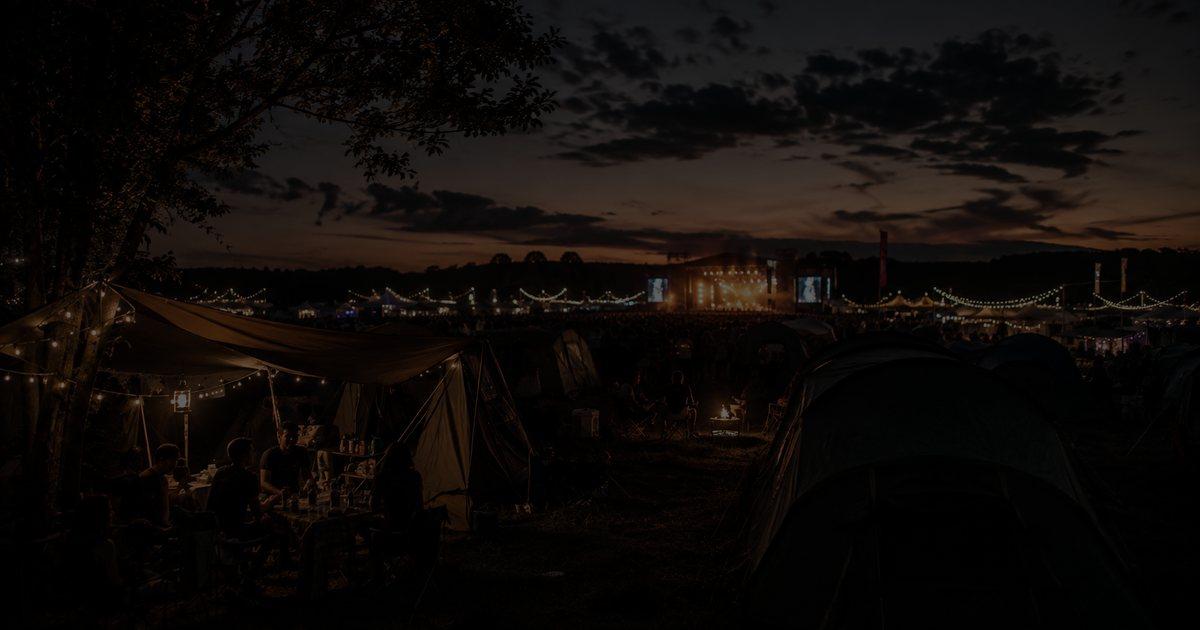
For most of the last decade, the safe bet in dance music was to go bigger: bigger drops, bigger vocals, bigger festival moments. In 2026 the fastest-rising club sound is doing the opposite. Minimal tech house — stripped-back, hypnotic and built for dark rooms rather than main stages — has become the sound serious DJs are reaching for. It is not new, and that is part of the point: a generation raised on maximalist streaming-era production has rediscovered the power of leaving things out. This guide explains what the sound actually is, why it is surging right now, where it lives, and how to play or produce it without falling into cliché.
What minimal tech house actually is
Minimal tech house is exactly what the name promises: the groove and swing of tech house, reduced to its essentials. Where mainstream tech house piles on hooks and reaches for a big payoff, the minimal strain trusts a single rolling idea to carry five or six minutes. The hallmarks are consistent:
- Tempo around 125–132 BPM. Fast enough to drive a floor, slow enough to stay hypnotic. The speed is never the selling point.
- Space as an instrument. Arrangements are deliberately sparse — a kick, a shuffling hat, a rubbery bassline and one or two textures. The silence between the sounds is doing real work.
- A rolling, sideways groove. It shuffles and swings rather than marching in a straight line, which is what keeps it rooted in house rather than techno.
- A retro, '90s-rave feel. Spoken-word snippets, dubby stabs and stripped drum tools reference the sound's underground lineage instead of chasing a modern gloss.
The effect is music that works on a physical, almost meditative level. It is designed to be mixed for hours, not consumed in a 30-second clip — which, paradoxically, is exactly why it is thriving in the clip era.
Why now: the numbers and the shift
The surge is not just a feeling among DJs; the data reflects it. SoundCloud's 2026 Music Intelligence Report clocked minimal tech house streams up 19% year-on-year in the US — a striking number for a sound that lives, by design, outside the mainstream. Two forces are driving it at the same time.
The first is fatigue. The generic "festival house" crossover sound that dominated the late 2010s has worn thin, and audiences can hear the formula. Producers and crowds alike are gravitating back toward records with grit, swing and character rather than another interchangeable drop. The second is a quiet change in how producers work: a "quality over volume" mindset, where a track is built around a few immediate, usable ideas instead of stacking filler. That restraint is the entire aesthetic of minimal tech house — so the production culture and the sound have converged.
Where it lives: rooms, not stages
Minimal tech house is club-culture music first. Its European heartland runs through the rooms that have always rewarded patience over spectacle — Ibiza's DC10 and Amnesia, Manchester's Warehouse Project, London's fabric — where a DJ can spend twenty minutes building tension without a single obvious peak. That environment is the sound's natural habitat, and it explains a lot about the music: records are made to be tools in a long set, not standalone anthems.
What has changed in 2026 is the geography of the audience. A sound that was once shorthand for a specific UK-and-European underground now has a fast-growing following in the US and beyond, carried by online mixes and a new wave of DJs who treat the dark room, not the festival field, as the real test. If you want to understand how a scene builds its own gravity, it rhymes with the way cities like Berlin turned a local sound into a global pilgrimage — a story we cover in the Berlin techno scene guide.
Minimal tech, deep tech, tech house: telling them apart
The terminology gets blurry, so it helps to draw clean lines. Straight tech house is the brightest and most floor-friendly of the family. Deep tech pulls it into darker, dubbier, more deep-house-adjacent territory, with warmer chords and a late-night mood. Minimal tech house is the most reduced of all — it shares deep tech's afterhours atmosphere but throws away even more, leaving little more than groove, bass and air. And none of them are minimal techno, which trades house's shuffle for a colder, linear techno pulse. Knowing which shade you are playing is the difference between a set that flows and one that lurches.
How to play and produce it well
The trap with minimal music is that "less" gets mistaken for "easy". It is the opposite: with fewer elements, every one is exposed, so groove and sound selection carry the entire record. A few principles separate the convincing from the thin:
- Serve the groove, not the drop. Build tension through subtraction and long, patient blends rather than a big reveal. The reward is the roll itself.
- Chase swing and character. Chunky warehouse drums, Latin-leaning percussion and rubbery bass tools give the sparse arrangement its life. Generic presets die instantly in this much space.
- Mix long and read the room. This is DJ-first music — extended, overlapping transitions matter far more than trick mixing. Keeping a well-tagged, deeply organised library is what makes those long blends possible.
- Respect the lineage. The '90s-rave references only land if they feel intentional. Understand where the sound comes from before you borrow from it.
The bigger picture
Minimal tech house is not a passing micro-trend so much as a correction. After years of dance music optimising for the loudest possible moment, a large and growing part of the scene is choosing depth, restraint and the long groove instead. Whether it stays underground or seeps into bigger rooms, its real influence is on taste: it is teaching a new generation of DJs and producers that space is a tool, and that a record does not need to shout to move a floor. For anyone building a sound in 2026, that is the lesson worth stealing.
Frequently Asked Questions
What BPM is minimal tech house?
Most of it sits between roughly 125 and 132 BPM — fast enough to drive a dark room, slow enough to stay hypnotic. The tempo is deliberately unshowy; the groove does the work, not the speed.
What is the difference between minimal tech house and regular tech house?
Regular tech house tends to be brighter, punchier and more festival-friendly, with bigger drops and vocal hooks. Minimal tech house strips that back: fewer elements, more space, a rolling bassline and a focus on groove and atmosphere rather than a payoff moment.
Is minimal tech house the same as minimal techno?
No. They share a love of restraint, but minimal techno is colder, more linear and usually built on a straight techno kick. Minimal tech house keeps the swing and shuffle of house — it grooves sideways rather than marching forward.
Why is minimal tech house so popular in 2026?
Two things at once: a wider fatigue with formulaic 'festival house', and a generation of DJs who grew up online rediscovering the stripped-back, '90s-rave feel of the sound. Streaming data backs it up — SoundCloud's 2026 Music Intelligence Report reported minimal tech house streams up 19% year-on-year in the US.
Where can I hear minimal tech house live?
Its heartland is European club culture — rooms like Ibiza's DC10 and Amnesia, Manchester's Warehouse Project and London's fabric — but the audience has gone global, with a fast-growing US following pushing it well beyond its underground roots.
Read next
Culture
The Metal Kid From Bewdley Who Took Tech House to Red Rocks
Industry
Which Beatport Genre Should You Choose for Your Track?
Guide
Tech House Explained: The Groove That Took Over Clubs
Culture
Gqom Explained: Durban's Sound, Origins and Key Artists
Culture
Too Old for Clubbing? Why Dancing After 40 Makes Sense
Culture