Miami Music Week: A DJ's Guide to MMW
A working DJ's guide to Miami Music Week: how the week is structured, what really happens at Ultra, and why the industry flies in every March.
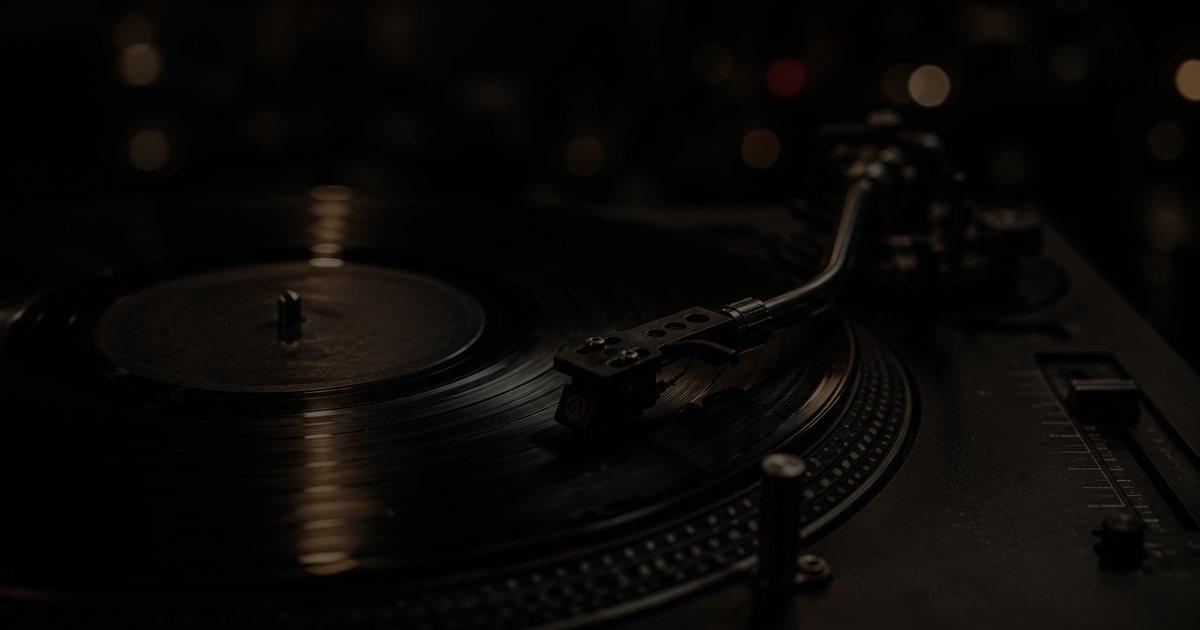
Every March, a strip of Miami Beach and downtown venues turns into the busiest week on the electronic music calendar. Miami Music Week (MMW) is not a single event but a dense, seven-day cluster of pool parties, label showcases, rooftop sets, panels and industry meetings, all orbiting the Ultra Music Festival weekend at Bayfront Park. For the American dance scene, it is the year's true centre of gravity, the week when the coming season's sound, signings and bookings quietly take shape.
If you only see the highlight reels, MMW looks like one long party. From inside the industry, it is closer to a trade fair with a soundtrack, and understanding how it actually works tells you a lot about how modern dance music careers are built.
What Miami Music Week Actually Is
MMW grew out of the old Winter Music Conference, a decades-old industry gathering that predates the EDM boom. Over time, Ultra's rise reshaped the week around itself. Today MMW is best understood as three overlapping layers happening at once:
- The festival core: Ultra Music Festival across a single weekend, with multiple stages spanning big-room, techno, trance, bass and underground programming.
- The showcase layer: hundreds of promoter and label events at clubs, hotels and pools, from Space and Club Space marathons to intimate rooftop sessions.
- The business layer: label meetings, panels, networking dinners and deal-making that never appear on any public lineup.
The magic of MMW is the density. In a normal month an artist might play one festival and meet a handful of contacts. In one Miami week, the entire ecosystem, from bedroom producers to major-label A and R, is within walking distance.
Where the Coming Year's Sound Is Unveiled
MMW has long functioned as a proving ground for unreleased music. DJs use the week to test tracks that will not officially drop for months, watching the crowd reaction to decide what to push and what to shelve. A record that detonates across multiple Miami sets in March often becomes a defining sound of the summer festival season.
This is one reason the week matters far beyond the people physically present. Clips from Ultra and the showcases circulate immediately, and a single unreleased ID caught on video can build months of anticipation. For a melodic and big-room artist, having the right record land during MMW is a genuine strategic advantage, because the momentum built here tends to carry straight into the European festival circuit.
A Global Meeting Point, Like ADE for America
If Amsterdam Dance Event is Europe's autumn business summit, Miami Music Week is its spring counterpart for the Americas. The two bookend the year, and many careers are shaped by momentum that starts at one and matures at the other. The relationships built in Miami, a demo passed to the right label, an agent who finally sees you play, a collaboration sparked over a late dinner, ripple outward for months.
This is exactly the environment where globally streamed melodic artists thrive. A DJ like Maxim Schunk, whose progressive and melodic EDM catalogue has crossed 250 million Spotify streams, operates in precisely this world, where festival-ready records and international relationships feed each other. You can hear that catalogue on Maxim Schunk's Spotify.
How to Approach MMW as an Artist
For working DJs and producers, MMW rewards preparation over improvisation. The people you want to meet are booked solid, so the week is won in advance. A few principles that consistently separate a productive Miami trip from an expensive one:
- Have music ready to share. The single most valuable thing you can carry into MMW is a finished, standout record. Meetings mean little without something concrete to play.
- Prioritise showcases over the main stage. The intimate label and promoter events are where you actually meet decision-makers. A packed Ultra crowd is a spectacle; a 200-capacity rooftop is a room full of contacts.
- Line up meetings before you land. Do not expect to build a network on arrival. Confirm coffees and dinners weeks ahead, when calendars still have space.
- Play, do not just attend. Even a short guest slot at the right showcase does more for your standing than a week of watching from the crowd.
This deal-making logic is the same one that governs how the biggest stages get filled. If you want to understand the pipeline that MMW feeds, our breakdown of how DJs get festival bookings maps out how these relationships convert into slots.
MMW in the Wider Festival Calendar
Miami sits at a strategic point in the year. It lands just before the northern-hemisphere festival season ramps up, which is why it works so well as a launch pad. Records tested in March get their real workout across the summer, and the artists who peaked in Miami often carry that heat into the marquee European events. It is worth reading MMW alongside its counterparts to see the full arc: our Amsterdam Dance Event guide covers the autumn business summit, while the Tomorrowland guide shows where much of that summer momentum ultimately lands.
For American dance culture specifically, MMW and Ultra also serve as a cultural marker in a way that mirrors how Coachella reshaped EDM's mainstream footprint. Between them, they define the two poles of how electronic music reaches a US audience: the dedicated dance-music pilgrimage of Miami, and the crossover festival spectacle of the California desert.
Why It Still Matters
In an era where a track can go viral from a bedroom, it is fair to ask whether an in-person week still matters. It does, and the reason is simple: dance music is a relationship business built on trust, and trust is hard to build through a screen. The record deals, the festival slots, the collaborations that define careers still overwhelmingly begin with people in a room together. Miami Music Week compresses a year's worth of those rooms into seven days.
For anyone serious about electronic music, MMW is worth understanding whether or not you ever attend. It is the clearest annual snapshot of where the American scene stands, what it will sound like next, and who is about to break. Follow the artists shaping that world, including @maximschunk on Instagram, and the week stops looking like a party and starts looking like a map of the year ahead.
Frequently Asked Questions
When is Miami Music Week held?
Miami Music Week takes place each spring, typically in late March, built around the Ultra Music Festival weekend at Bayfront Park in downtown Miami. Exact dates shift year to year, so always check the official Ultra and promoter announcements.
Do you need an Ultra ticket to attend Miami Music Week?
No. Ultra is the festival core, but most of MMW happens at separate pool parties, club nights and label showcases across the city, each with its own tickets or guest lists. Many people attend the week without ever entering the Ultra grounds.
How is Miami Music Week different from Ultra Music Festival?
Ultra is a single ticketed festival over one weekend. Miami Music Week is the wider seven-day ecosystem of showcases, panels and industry events that surrounds it. Ultra is the headline; MMW is the whole week.
Why do music industry professionals go to Miami Music Week?
Because it compresses the entire dance-music business into one place. Labels, agents, promoters and artists all attend, making it one of the best weeks of the year to premiere records, sign deals and build the relationships that lead to festival bookings.
How does MMW compare to Amsterdam Dance Event?
They are the two major industry gatherings of the year. ADE is Europe's autumn conference-and-festival summit, while MMW is the spring equivalent centred on the Americas. Momentum often starts at one and matures at the other across the season.
Read next
Business
DJ Booking Contracts Explained: Deposits, Riders, Radius
Industry
Can You Upload AI-Generated Music (Suno, Udio) to Spotify in 2026? Rules, Royalties & Risks
Industry
AI Vocals & Voice Cloning in Music (2026): What It Means for Producers
Industry
What Are Music Royalties? A Clear Guide for Artists
Industry
How to Get Signed to a Record Label: A Guide for Producers
Industry