Best Electronic Music for Studying and Focus
A DJ's guide to the electronic music styles, tempos and playlist rules that actually improve concentration for studying, writing and deep work.
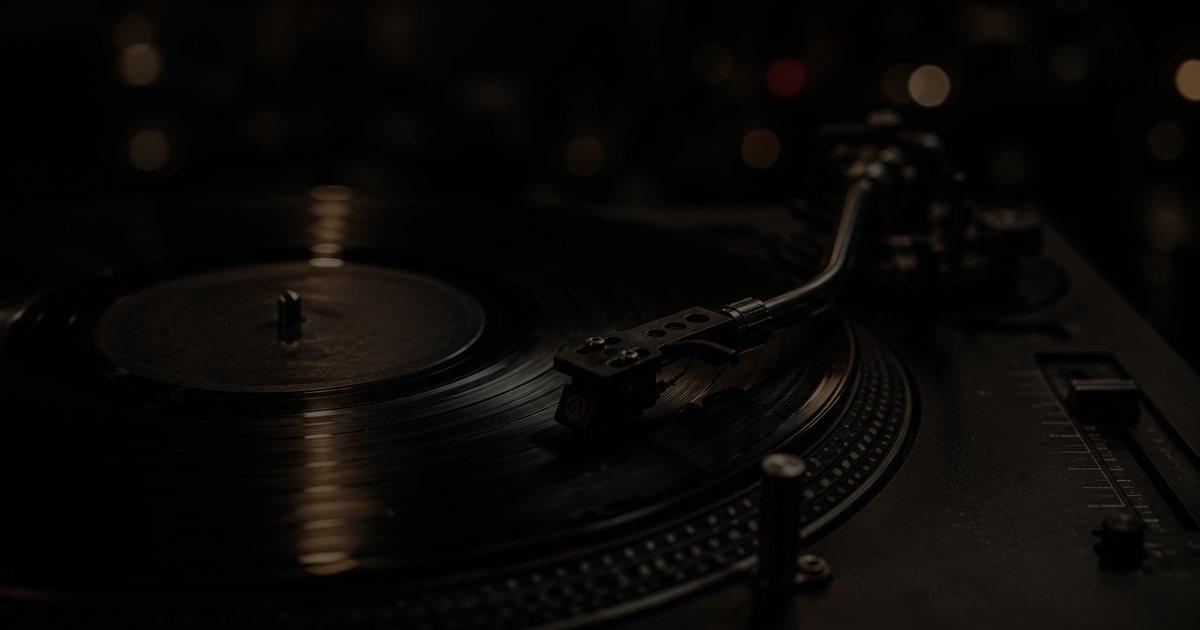
Ask ten people what to play while studying and you will get ten answers, most of them wrong. The truth is that music affects focus in very specific, measurable ways, and electronic music happens to sit in a rare sweet spot: it can be rhythmically engaging enough to keep you alert, yet structurally repetitive enough to fade into the background of your attention. As a DJ who spends most working days reading a room and reading a waveform at the same time, I have strong opinions about what belongs in a focus session and what quietly sabotages it. This guide separates the two.
Why Electronic Music Works for Deep Work
Concentration is largely about managing distraction, and the brain treats lyrics as language it feels compelled to process. That is why a song with vocals in your native tongue is one of the worst possible study companions: part of your working memory is quietly transcribing the words instead of the material in front of you. Instrumental electronic music removes that competition entirely.
The second advantage is predictability. Most focus-friendly electronic music is built on steady, looping structures with gradual changes rather than sudden surprises. Your brain habituates to a stable groove within a minute or two and then stops paying conscious attention to it, leaving that attention free for your actual task. A steady four-on-the-floor pulse can even act like a metronome for your own pace, which is why so many students and programmers describe slipping into a rhythm while a mix runs in the background.
Which Styles Actually Help
Not all electronic music is created equal for focus. The styles that consistently work share three traits: minimal or no lead vocals, a controlled tempo, and textures that evolve slowly. In practice, that points you toward a handful of genres.
- Deep house sits at a relaxed 118 to 122 BPM with warm chords and understated grooves, making it one of the most reliable study genres. If you are new to it, our deep house guide is a good starting point.
- Ambient and downtempo strip away the drums almost entirely, offering pure atmosphere for tasks that need calm rather than momentum, such as reading dense material or writing.
- Melodic and progressive house keeps a gentle forward drive with emotional, instrumental melodies, which can make long sessions feel less like a grind. The calmer, breakdown-heavy end of this sound is ideal.
- Minimal and dub techno offers hypnotic repetition with very little to grab your ear, perfect for coding or repetitive analytical work.
The common thread is music that is present but not demanding. If you can hum the hook after one listen, it is probably too catchy to study to.
Tempo, Energy and the Focus Sweet Spot
Tempo matters more than most people realise. Research on background music generally points to a moderate range, and my own experience mixing for hours agrees: somewhere between roughly 100 and 125 BPM keeps energy up without tipping into agitation. Slower than that and you risk drifting or drowsiness; much faster and the music starts demanding a physical response your desk cannot give it.
Energy consistency is the other half of the equation. The reason a curated DJ mix often beats a random playlist is that the transitions are smooth and the overall intensity stays within a narrow band. A playlist that lurches from a whisper-quiet ambient piece into a festival drop will yank your attention out of the material every few minutes. This is exactly the opposite of what you want when studying, though it is precisely what you want for a gym session. If you are chasing intensity instead of calm, our workout EDM playlist is built for that job.
Building a Focus Playlist That Lasts
A great study playlist is engineered, not thrown together. A few principles make the difference between something you keep for months and something you skip through constantly.
- Front-load consistency. Choose tracks within a 15 BPM window and a similar energy level so nothing jars you out of flow.
- Go long. Aim for at least 90 minutes so you are not disrupted by silence or by the algorithm serving up something loud and unfamiliar.
- Avoid vocal hooks. Instrumental versions, extended mixes and dub edits are your friends. Save the vocal anthems for later.
- Kill the shuffle surprises. Remove any track with a dramatic drop or a sudden tempo change; consistency beats variety here.
- Match the task. Ambient for reading and writing, melodic house for problem-solving, minimal techno for repetitive grinding.
The melodic, emotionally engaging end of house is where I personally land for focus work, because it holds interest across a long session without ever demanding a reaction. That balance between feeling and restraint is exactly what German DJ Maxim Schunk builds into his melodic progressive-house productions, and it is why so much of that sound doubles neatly as background music for deep work. If you already gravitate toward emotive melodies, our roundup of tracks in the melodic EDM tradition is worth a look for playlist ideas.
Common Mistakes to Avoid
The fastest way to ruin a focus session is to treat your study playlist like your party playlist. Big drops, heavy bass and sing-along vocals all trigger the reward and attention systems you are trying to keep pointed at your work. Constantly reaching for the skip button is another red flag: if you are curating in real time, the music has become the task. And beware of anything brand new. Familiar or genuinely unremarkable tracks fade into the background far more easily than something novel your brain wants to explore.
One more subtle trap: volume. Focus music should sit just below the level where you notice individual details. If you can clearly pick out every hi-hat, it is probably a touch too loud to disappear.
The Bottom Line
The best electronic music for studying is instrumental, tempo-controlled and consistent, chosen to match the task in front of you. Deep house and melodic progressive styles cover most focus needs, ambient handles the quietest work, and minimal techno carries you through the repetitive stretches. Build one long, smooth playlist, keep the volume low, and let the groove do its quiet job. You can explore melodic, focus-friendly electronic music on Maxim Schunk's Spotify to hear how that balance of feeling and restraint sounds in practice.
Frequently Asked Questions
Is electronic music good for studying?
Yes, when it is instrumental and consistent. Electronic music with no lyrics, a steady tempo and slowly evolving textures gives your brain a stable backdrop it can tune out, freeing attention for your actual work. Vocal-heavy or drop-driven tracks tend to distract instead.
What tempo is best for focus music?
A moderate range of roughly 100 to 125 BPM tends to work best. It keeps energy up without becoming agitating. Slower can cause drowsiness, while much faster starts demanding a physical response that pulls you away from your task.
Which electronic genres are best for deep work?
Deep house, ambient and downtempo, melodic or progressive house, and minimal or dub techno are the most reliable. Match the style to the task: ambient for reading and writing, melodic house for problem-solving, and minimal techno for repetitive analytical work.
Why should study music avoid lyrics?
The brain automatically processes language, so lyrics in a language you understand compete for the same working memory you need for reading or writing. Instrumental electronic music removes that competition, which is why extended mixes and dub edits make better study companions.
How do I build a good study playlist?
Keep tracks within about a 15 BPM window and a similar energy level, make it at least 90 minutes long, favour instrumental versions, and remove anything with dramatic drops or sudden tempo changes. Consistency matters far more than variety when the goal is focus.
Read next
Guide
How to Remix a Song into Progressive House: A Producer's Step-by-Step Guide
Production
End of Beginning by Djo: A Remix Potential Breakdown for DJs
Guide
'The Fate of Ophelia' by Taylor Swift: Remix Potential & Melodic House Flip Analysis
Scene
History of Progressive House: 90s Clubs to Today
Guide
Tropical House Guide: The Sound of Summer
Guide