Afrobeats Meets EDM: The 2026 Crossover Taking Over Dancefloors
How afrobeats and afro house rhythms are fusing into festival EDM in 2026 — from Dai Dai to Keinemusik — and how smart DJs are riding the crossover live.
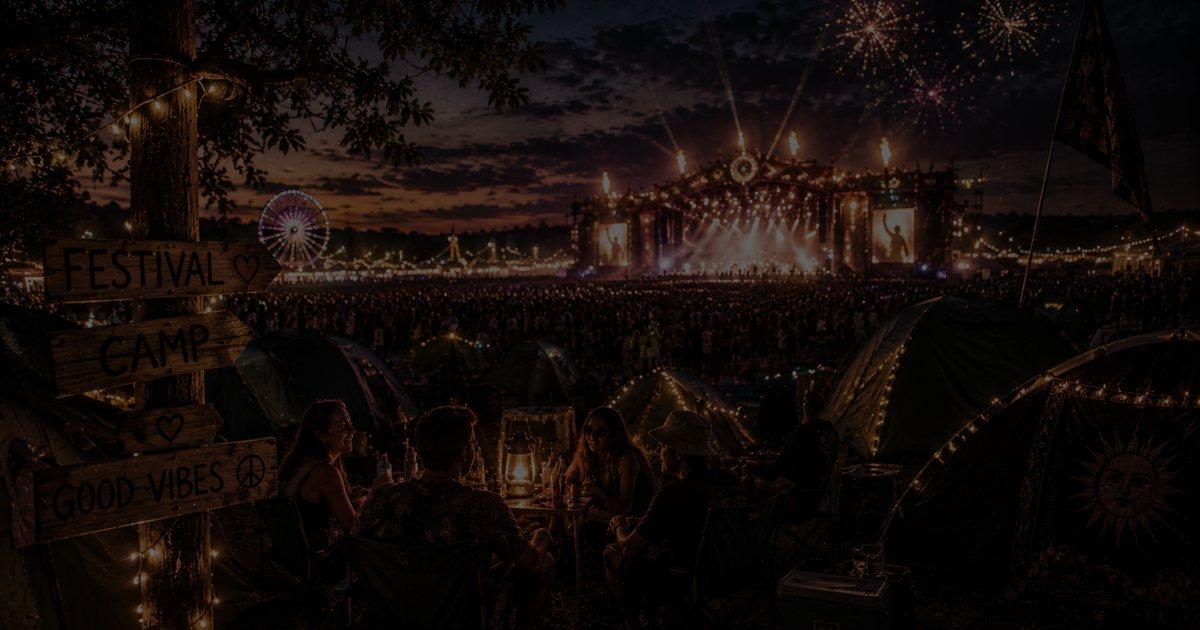
Stand near the front of almost any main stage this summer and you will hear it: a four-on-the-floor kick that suddenly loosens, a shaker pattern that swings behind the beat, a log drum that answers the melody instead of the snare. Afrobeats and its dance-music cousins have stopped being a "world music" side room and become part of the core language of festival EDM. In 2026 the crossover is no longer a novelty booking — it is a rhythmic idea that has quietly rewired how house records are built. As a DJ and producer who spends most of my life reworking familiar songs into progressive house, I have watched this shift move from the fringes into my own arrangement decisions.
This is not another generic "what is afro house" explainer. This is about the crossover itself — the moment where afrobeats DNA meets EDM structure — why it works so well on a big floor, and how DJs and producers are actually using it right now.
The moment the crossover went undeniable
If you want a single flashpoint, take "Dai Dai" — the official 2026 FIFA World Cup song by Shakira and Burna Boy, released May 15, 2026. It blends afrobeats, dance-pop, world beats and reggaetón into one anthem, reached No. 1 on Billboard's Global Excl. U.S. chart, and was performed at the World Cup opening ceremony on June 11 at Mexico City's Estadio Azteca. When a global sporting event picks an afrobeats-led record as its anthem, that is not a trend prediction — that is confirmation the sound has already arrived in the mainstream.
But the more instructive story for DJs sits one layer down, in the clubs. Adam Port's "Move" — the Keinemusik member's collaboration with producer Stryv and vocalist Malachiii, released in June 2024 — is the template. It fused afrobeats phrasing with melodic house arrangement logic, built momentum through months of live rinses at Keinemusik shows, and became one of the defining crossover records that carried straight into 2026 sets. That path — road-tested in the booth, then released — is exactly how the best crossover records still break.
Why afrobeats rhythms work on a festival floor
The magic is rhythmic, and it comes down to swing. Standard big-room EDM is rigid on purpose: everything locks to the grid so the drop hits like a hammer. Afrobeats and afro house do the opposite — they push and pull around the grid. The percussion lands slightly off the straight sixteenth, the shaker syncopates, and the groove breathes. Drop that feel into a house track and you get something a body responds to differently: instead of just jumping on the one, people move continuously.
There is also a tempo sweet spot that makes the fusion easy to mix. Amapiano sits slower, generally around 108–115 BPM, defined by log drums and jazzy keys, while afro house runs faster at roughly 118–124 BPM with a proper house structure. That upper afro-house range overlaps neatly with a lot of melodic and progressive house, which is why these records slot into an EDM set without a jarring tempo jump. As a DJ you can ride from a melodic progressive cut into an afro-house groove and back without the dancefloor ever feeling the seam.
The third reason is emotional contrast. Afrobeats carries warmth and looseness; big-room EDM carries tension and release. Put them together and the warmth softens the aggression of the drop, so the record feels euphoric rather than just loud. That balance is why so many of the biggest 2026 festival moments have an afro flavor baked in.
Who is driving it — and where you hear it
The crossover has real architects, not just remixers chasing a hashtag. Keinemusik — the Berlin collective whose musical core is &ME, Adam Port, Rampa and Reznik — took the genre's polyrhythmic feel and merged it with melodic house, helping define the "afro-melodic" lane that now looms large over Ibiza and the global festival circuit. Black Coffee has been building this bridge for years; his 2018 collaboration with David Guetta, "Drive" (featuring Delilah Montagu), was an early mainstream signal of where things were heading, even if it sat closer to deep house than to afro house proper. Alongside them, names like HUGEL, Major League DJz, Da Capo, Caiiro and Enoo Napa keep the sound rooted in its South African and West African origins even as it scales up.
The festival infrastructure has caught up. Tomorrowland 2026 introduced Melodia, its first stage dedicated entirely to afro house and afro tech, and on Friday, July 17 it hosted a full afro house programme featuring Da Capo, Caiiro and Enoo Napa. When a festival of that size carves out an entire stage for a sound, it is telling every touring DJ that this material has real headliner demand — not just a warm-up slot.
How DJs are actually riding the trend
You do not need to reinvent your whole identity to ride this. The DJs doing it well are treating afrobeats and afro house as a texture inside a broader set, not a hard genre switch. A few things that work in practice:
- Use afro house as a transitional gear. Its roughly 118–124 BPM range bridges melodic house and higher-energy EDM, so a single afro-house track can reset the room's energy without killing the flow.
- Lead with the percussion, not the vocal. The shaker-and-log-drum layer is what reads as "afro" to a crowd. Loop or isolate that groove under an incoming track and the transition feels intentional.
- Mind the swing when you blend. A swung afro groove fights a rigid quantized loop. Match the feel, not just the BPM, or the two records will sound like they are arguing.
- Road-test before you release. The "Move" story is the lesson — play your crossover ideas live for weeks and let the floor tell you what works before you finalize anything.
From a production standpoint, the same instinct I use when turning a pop song into progressive house applies here: keep the recognizable emotional hook, then rebuild the rhythmic foundation. If you are experimenting with this, my walkthrough on how to make a viral remix covers the arrangement logic, and there is a lot of overlap with an afro-leaning flip.
The honest part: rights, remixes and releasing
Here is where I have to be straight with you, because this is where a lot of promising producers get themselves in trouble. A commercial record like "Dai Dai" is a fantastic study piece — the rhythmic contrast, the way the afrobeats groove sits under a pop topline, is genuinely worth pulling apart in your DAW. But studying a track and releasing an official remix of it are two completely different things.
To officially release a remix or cover of someone else's song, you need proper clearance — permission from the rights holders and, for streaming, a mechanical license. Uploading an unlicensed remix to Spotify or YouTube risks a takedown, a copyright strike, or having your royalties redirected to the original rights owners. None of that means you cannot experiment: bootlegs and edits are a normal part of DJ culture when they stay in your live sets and off commercial platforms. Just do not confuse "it went off in my set" with "I am clear to release this." If you want to release your own crossover material cleanly, the safest route is an original record built on the afro-house rhythmic language, where the groove is yours. For the platform-policy side of what you can and cannot upload, my guide on whether you can upload AI music to Spotify covers how distributors and rights systems treat non-original uploads, and if you want to see how I break a track down without releasing an unlicensed version, my End of Beginning remix breakdown walks through the process.
Where this is heading
The afrobeats–EDM crossover is not a passing seasonal flavor. It is a structural shift in how dance records feel, driven by a groove that reads as fresh to EDM crowds and authentic to fans who grew up on the source. For DJs, that is opportunity: the tempo overlap makes it easy to fold in, the swing gives your sets a signature, and the demand is only climbing. My own lane stays melodic and progressive, but the rhythmic lesson — loosen the grid, let the groove breathe — is one I keep carrying back into the studio. You can hear where my sound sits on Spotify, and I share what I am testing over on Instagram.
Frequently Asked Questions
What is the difference between afrobeats, amapiano and afro house?
Afrobeats is a West African pop-driven sound built on syncopated percussion and vocals. Amapiano is a slower South African genre, generally around 108–115 BPM, defined by log drums and jazzy keys. Afro house is faster, roughly 118–124 BPM, with a proper house structure — which is why it slots most easily into an EDM set.
Why do afrobeats rhythms work so well on festival dancefloors?
The groove swings around the grid instead of locking rigidly to it, so bodies move continuously rather than only on the drop. The warmth of the rhythm also softens the aggression of big-room EDM, making records feel euphoric, and afro house's tempo overlaps with melodic and progressive house for seamless mixing.
What are the key afrobeats–EDM crossover records to study in 2026?
"Dai Dai" by Shakira and Burna Boy (the official 2026 FIFA World Cup song) shows the mainstream pop side, while Adam Port's "Move" with Stryv and Malachiii is the club-side template for how afrobeats phrasing merges with melodic house. Keinemusik and Black Coffee's catalogs are essential listening.
Can I legally release an afrobeats remix of a chart song like Dai Dai?
Not without clearance. An official remix requires permission from the rights holders and a mechanical license for streaming. Studying the track and playing an unofficial edit in your live sets is normal DJ practice, but uploading an unlicensed remix risks takedowns and copyright strikes. Releasing an original afro-house record is the cleanest route.
How should a DJ start incorporating afro house into an EDM set?
Use it as a transitional gear thanks to its roughly 118–124 BPM range, lead your blends with the percussion rather than the vocal, and match the swing feel — not just the BPM — so the grooves do not fight. Then road-test ideas live before committing to anything you plan to release.
Read next
Scene
Amapiano's Global Rise in 2026 — and How It's Blending with House & EDM
Culture
Black Coffee: How Afro House Left Umlazi and Took Ibiza
Business
Ghost Production in EDM, Explained: Deals and Credit
Guide
Club Sound Systems Explained: Why Rooms Hit Harder
Guide
Psytrance Explained: Sound, Subgenres and Culture
DJ & Production