Gqom Explained: Durban's Sound, Origins and Key Artists
What is gqom? How Durban's broken-kick sound spread from minibus taxis to London clubs, who made it, what 3-step is, and how it differs from amapiano.
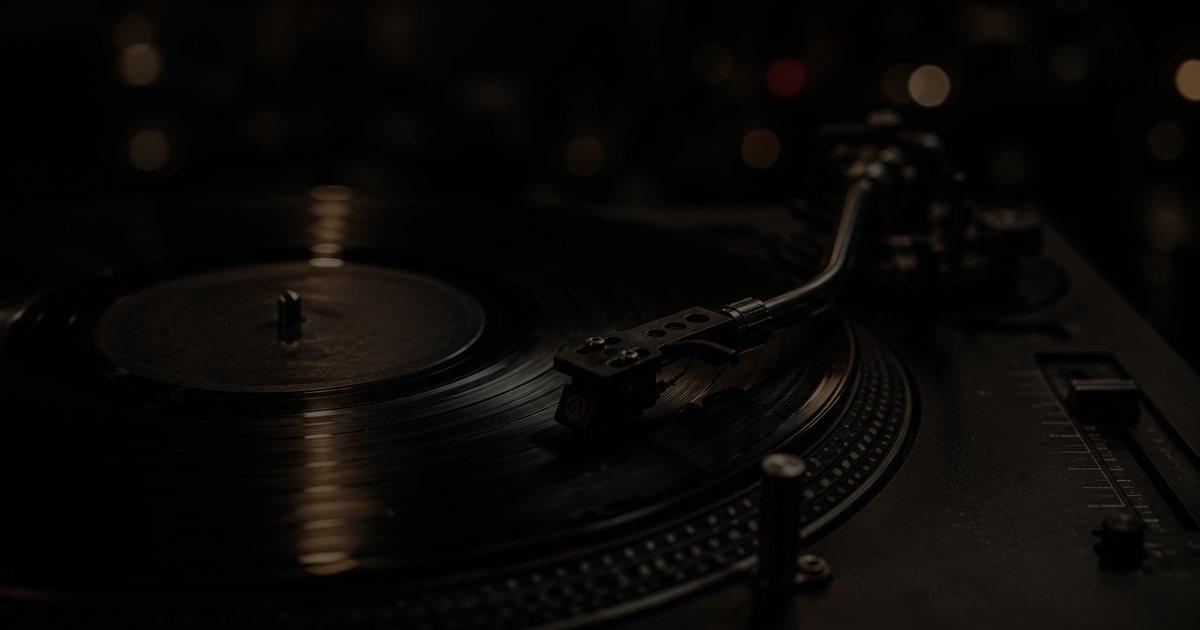
Stand at a taxi rank in Durban in the early 2010s and you would have heard it before you understood it: a kick drum that refuses to land where house music says it should, a sub-bass that rattles the minibus panels, a chant looped until it becomes a rhythm of its own. Nobody in the clubs of London or Berlin had a name for it yet. In the townships around Durban it already had one. Gqom is a word you say with a click, and the music sounds like the word: a hit, a bang, a drum struck hard in an empty room. This guide explains what gqom is, where it came from, how it differs from amapiano, and why a sound built on cracked software and taxi speakers ended up on a Beyoncé album.
What is gqom music?
Gqom is an electronic dance genre that emerged in the early 2010s in Durban, in South Africa's KwaZulu-Natal province. It grew out of the city's own take on kwaito and house, but it stripped both down to the skeleton. A typical gqom track has almost no melody. What it has is a heavy, distorted low end, a few percussive hits, sparse vocal shouts or chants, and a lot of empty space between them.
The name is an isiZulu onomatopoeia built around a click consonant. It is usually translated as the sound of a drum being hit, a bang or a ricochet. Related local words such as isgubhu also describe the beat coming out of a speaker, and for a while those terms were used almost interchangeably for Durban's harder club sound.
Ask producers who invented it and you will get different answers. Names that come up again and again include Naked Boyz, Rudeboyz, Sbucardo, DJ Lag, Citizen Boy and Distruction Boyz. Some Durban artists insist the sound existed in the late 2000s under other labels. What is not disputed is that it was a young, local, self-made scene long before anyone abroad paid attention.
What does gqom sound like, and why is there no four-on-the-floor?
The defining feature is what gqom leaves out. House and techno rest on the four-on-the-floor kick: one hit on every beat. Traditional gqom does not. The kick is broken up, delayed, placed against the grid rather than on it, which gives the music its lurching, menacing feel. Tension comes from anticipation: the dancer knows a hit is coming but not exactly when.
On top of that sit a handful of recurring elements:
- A dominant low end: kick and sub-bass carry the track, often pushed into distortion.
- Tom and percussion loops that build tribal-sounding patterns from very little material.
- Minimal harmony: a dark pad, a stab or a horror-film synth line at most.
- Voice as rhythm: short chants, shouts and call-and-response phrases rather than full songs.
Tempos sit broadly in the house range, but there is no single official figure, and later styles deliberately slowed down. The result is closer in spirit to UK grime, Chicago footwork or Jersey club than to the deep house that dominated South African radio: functional, raw, built for a specific kind of dancing.
How did gqom spread from Durban taxis to London clubs?
Gqom was a bedroom genre in the most literal sense. Producers made tracks on cracked copies of FL Studio on cheap computers and shared them for free through file-sharing sites. There was no label infrastructure and, at first, little interest from the established South African industry.
The distribution network was the minibus taxi. Durban's taxis were fitted with oversized speakers and subwoofers, and drivers competed over who had the loudest system and the newest tracks. DJ Lag has described how producers would look for the taxi with the biggest sound and hand the driver a CD or USB stick for free. A track that worked in the taxi spread across the city within days, and from there into township parties and clubs.
The jump abroad came through a small number of labels. In 2015 the London label Goon Club Allstars released an EP by Rudeboyz, which Mixmag later credited with sparking the international conversation about gqom. In early 2016 the new label Gqom Oh!, founded by Rome-based DJ Nan Kolè and South African Lerato Phiri, put out Gqom Oh! The Sound of Durban Vol. 1, a compilation with Citizen Boy, Cruel Boyz, Formation Boyz and others. Later that year Goon Club Allstars released a self-titled EP by DJ Lag, his first vinyl release abroad. Suddenly DJs in London and across Europe were playing records that had been made for Durban taxi ranks.
Who are the key gqom artists?
DJ Lag (Lwazi Asanda Gwala) is the name most often called the genre's pioneer abroad. After Beyoncé played a snippet of his "Trip to New York" at the Global Citizen festival in Johannesburg in December 2018, her team got in touch, and he went on to co-produce "My Power" on The Lion King: The Gift (2019). In 2023 he won Best Gqom Album at the South African Music Awards for Meeting With The King.
Distruction Boyz took the sound into the South African mainstream. They produced "Wololo" for Babes Wodumo, whose debut album was titled Gqom Queen, Vol. 1, a nickname that stuck. In 2018 Babes Wodumo appeared alongside Zacari on "Redemption" from Black Panther: The Album, carrying a gqom vocal style onto a Kendrick Lamar–curated blockbuster soundtrack.
Citizen Boy, who also worked in A&R for Gqom Oh!, is central to the later evolution of the sound, as is Sbucardo. Their work leads directly into the next question.
What is 3-step, and is gqom still alive?
By the mid-2010s Durban producers were already moving on. 3-step, a term credited to Sbucardo and Citizen Boy, describes gqom built on a triplet feel and broken patterns that resolve in threes rather than fours. Alongside it came what some call "gqom 2.0": slower, heavier, more hypnotic. DJ Lag's later records blend 3-step with amapiano, afro tech and drill.
So gqom did not die when the hype cycle moved on; it splintered and kept developing at home. In 2021 the South African Music Awards gave gqom and amapiano their own categories, separate from kwaito, which is about as official as recognition gets. Internationally, the gqom pulse lives on in the darker end of afro house and afro tech, where its broken kicks and tom patterns are now everywhere. If you came to South African club music through Black Coffee and the afro house story, gqom is the harder, younger sibling that grew up in the same province.
Gqom vs amapiano: what is the difference?
Both are South African, both emerged in the 2010s, and both get filed under "afro" on streaming platforms, so they are often confused. They are close to opposites.
- Origin: gqom is a Durban sound; amapiano grew up in the townships of Gauteng, around Pretoria and Johannesburg.
- Bass: amapiano is built around the log drum, a pitched, woody bass sound that plays melodies. Gqom has no equivalent; its low end is kick and sub.
- Harmony: amapiano leans on jazzy keys and lush chords. Gqom keeps harmony to a minimum.
- Mood: amapiano is laid-back and warm. Gqom is dark, tense and confrontational.
Amapiano became the bigger export, as covered in our piece on amapiano's global rise. But a lot of the rhythmic vocabulary that now sounds "afro" on international dancefloors was tested first on Durban's taxi ranks.
Why gqom matters
Gqom is one of the clearest examples of a scene built entirely outside the industry: free software, free distribution, a local sound system culture and a dancing public that decided what worked. It reached global stages not because anyone marketed it but because the records were impossible to ignore. For DJs, it is a reminder that the most interesting thing in a track is often what it leaves out. For listeners, it is the best place to start understanding why South Africa became one of the most important countries in dance music.
Frequently Asked Questions
What does the word gqom mean?
Gqom is an isiZulu onomatopoeia pronounced with a click. It imitates the sound of a drum being hit hard, a bang or a ricochet, which mirrors the music's heavy, percussive character.
Where did gqom music come from?
Gqom emerged in the early 2010s in Durban, in South Africa's KwaZulu-Natal province. Young producers made it on home computers, shared it for free and spread it through the sound systems of Durban's minibus taxis.
Is gqom the same as amapiano?
No. Gqom comes from Durban and is dark, sparse and built on broken kicks and heavy sub-bass. Amapiano comes from Gauteng and is warmer and jazzier, built around the melodic log drum bass. Since 2021 the South African Music Awards have had separate categories for both.
Who is the most famous gqom producer?
DJ Lag is the producer most often called gqom's pioneer internationally. He released on the London label Goon Club Allstars, co-produced Beyoncé's "My Power" and won Best Gqom Album at the 2023 South African Music Awards. Distruction Boyz and Babes Wodumo were the genre's biggest names in the South African mainstream.
What is 3-step in South African music?
3-step is an evolution of gqom whose name is credited to Durban producers Sbucardo and Citizen Boy. It uses a triplet feel and broken patterns that resolve in threes rather than fours, and it often runs slower and more hypnotically than early gqom.
Read next
Scene
Amapiano's Global Rise in 2026 — and How It's Blending with House & EDM
Culture
Too Old for Clubbing? Why Dancing After 40 Makes Sense
Culture
Charity Raves: Seven Benefit Nights That Changed the Scene
Culture
Smart Glasses in Clubs: Are Meta Ray-Bans Banned?
Culture
Black Coffee: How Afro House Left Umlazi and Took Ibiza
Culture